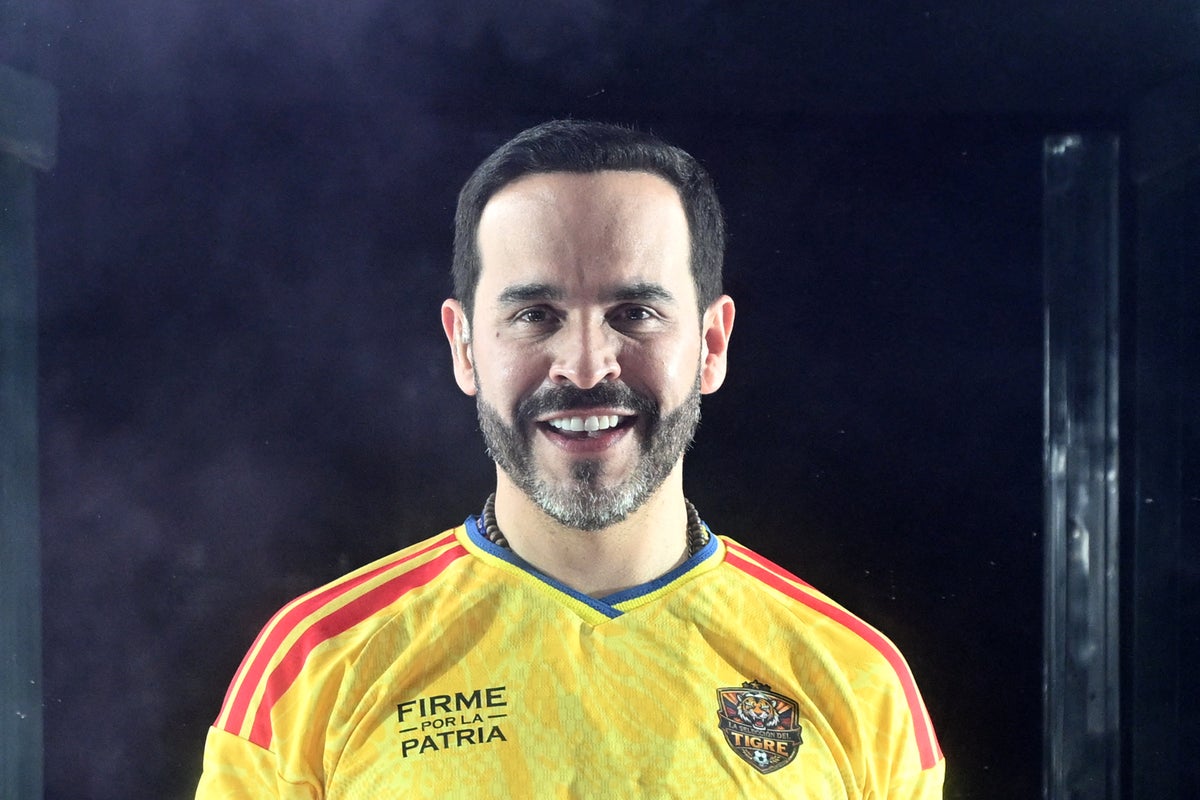
Colombia just took a massive turn to the right, and the ripple effects are going to shake up the entire region. Abelardo de la Espriella, a flashy, millionaire criminal lawyer who calls himself "El Tigre," just won the presidential runoff. He did it by capturing 49.66% of the vote, narrowly edging out his left-wing opponent, Iván Cepeda, who pulled in 48.7%.
It's a razor-thin victory. Just about 250,000 votes separated the two men out of over 25 million cast. But don't let the tight margin fool you. This isn't just a standard change of guard in Bogotá. It's a complete rejection of the left-wing experiment under outgoing President Gustavo Petro, and a massive win for Donald Trump’s brand of populist politics in Latin America.
If you want to understand where Colombia is heading next, you have to look past the standard breaking news headlines. The real story lies in how an eccentric outsider with zero political experience managed to capture a country that seemed to be drifting left just four years ago.
The Strategy Behind El Tigre Rise
Most mainstream media outlets are focusing heavily on the Trump endorsement. While Trump’s social media declaration that "He Won, BIG!" certainly added fuel to the fire, the endorsement only came after De la Espriella won the first round on May 31. Trump didn't make De la Espriella. De la Espriella made himself by tapping into a deep, visceral anger among everyday Colombians.
For decades, the country has been exhausted by establishment politics. In 2022, they tried the left with Gustavo Petro. But Petro's "total peace" plan—which involved negotiating with various armed criminal groups and cartels—left many voters feeling insecure as those groups expanded their reach. De la Espriella stepped into that void with a simple, brutal message: the gloves are coming off.
He built his campaign on three specific tactics:
- The Guerrilla Label: He relentlessly linked Iván Cepeda to left-wing guerrilla groups, a tactic that plays heavily on old wounds in a country traumatized by decades of civil conflict.
- The Venezuela Scare: He capitalized on regional anxieties, telling voters that a vote for the left would turn Colombia into the next economic catastrophe like neighboring Venezuela.
- The Outsider Persona: Despite making his fortune as a high-profile criminal lawyer defending wealthy elites and right-wing paramilitary figures, he successfully convinced voters he was an anti-establishment populist. He sings, designs his own clothing line, and flaunts a lavish lifestyle on social media. People didn't see an elite politician; they saw a self-made strongman.
Security Airstrikes and the End of Total Peace
What does a De la Espriella presidency actually mean for the ground reality in Colombia? Expect an immediate shift in security policy. The era of negotiating with armed groups is over.
De la Espriella campaigned on a promise of a full-scale military confrontation against drug cartels and dissident rebel groups. He openly stated he will seek US support for targeted airstrikes against coca plantations. It's a return to the old-school Plan Colombia days, but with a tech twist. He plans to utilize advanced artificial intelligence to overhaul DIAN, the national tax and customs agency, to hunt down tax evaders and choke off money laundering pipelines that feed the cartels.
This hardline stance has human rights organizations terrified. His past career representing right-wing paramilitaries—private armies originally formed by wealthy landowners to fight leftist rebels—already makes him a polarizing figure. When you couple that history with his campaign trail rhetoric about wanting to "disembowel" the political left, the potential for deep social fragmentation is massive. Though he backtracked in his Barranquilla victory speech, claiming it was just a figure of speech and promising to respect the constitution, the tension in the streets is palpable.
A Geopolitical Headache for the Region
The white house is thrilled with the result. US Secretary of State Marco Rubio quickly took to social media to announce he’d spoken with De la Espriella to plan operations aimed at curbing illegal immigration and ramping up regional security.
But within Latin America, the map just got a lot more complicated.
With Petro leaving office in August, the leftist bloc in Latin America is shrinking fast. Only Mexico, Brazil, Uruguay, and Guatemala remain under left-leaning governments. De la Espriella joins a growing fraternity of regional right-wing populists like Javier Milei in Argentina, Nasry Asfura in Honduras, and José Antonio Kast in Chile.
This ideological divide is already causing friction. Petro and Cepeda have both refused to officially recognize the preliminary results, alleging widespread irregularities in the vote count managed by the National Civil Registry. Cepeda’s legal team is moving to challenge the results of 33,000 polling stations.
The immediate fallout isn't happening in courtrooms, though. It’s happening on the streets. Protests have already erupted. In Cali, demonstrators clashed with riot police and burned American flags to protest the incoming administration’s ties to Washington. In Bogotá, hundreds of angry voters are gathering outside the Corferias convention center, the city's largest polling hub.
What Happens Next in Colombia
De la Espriella won't be officially sworn into office until August 7, 2026, during the historic Battle of Boyacá memorial. He has roughly six weeks to assemble a cabinet and add some actual substance to a government plan that, quite frankly, lacks a lot of fine detail right now.
If you are watching this situation develop, here are the immediate flashpoints to monitor over the coming days:
- The Official Scrutiny Process: Watch the National Civil Registry over the next 48 hours. If the official tally mirrors the preliminary 49.66% to 48.7% split, the leftist opposition will have to decide whether to accept the loss or call for sustained, nationwide strikes.
- The Urban-Rural Divide: Look at how major cities react. De la Espriella won the presidency largely by dominating the Caribbean coast and rural departments plagued by cartel violence. Major urban centers like Bogotá and Cali voted heavily for Cepeda and are currently the epicenters of civil unrest.
- Cabinet Appointments: Keep an eye on who "El Tigre" appoints to head the Ministry of Defense and the Ministry of Justice. If he selects old-guard hardliners, it will be a clear signal that the promised military crackdown will begin on day one of his administration.
The era of Leftist dominance in Colombia was short-lived. The country has chosen a volatile, unpredictable path forward, and the next few weeks will determine whether that path leads to stability or widespread civil conflict.