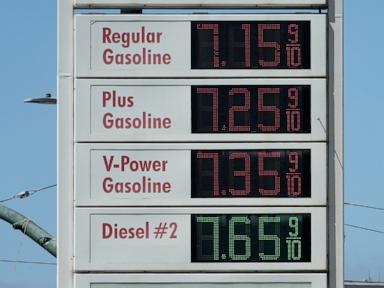
You pull up to a pump in Los Angeles or Sacramento, look at the rolling numbers on the meter, and feel your stomach drop. Paying over $5.50 a gallon hurts. Right now, the average price for regular fuel in California sits at a brutal $5.58, making it the most expensive state in the nation to fill up. You probably blame inflation, global oil markets, or state taxes. But a massive federal class action lawsuit filed in Sacramento points somewhere else entirely. It claims a sophisticated AI is helping gas stations collude to raise California fuel prices, lawsuit says, by functioning as a quiet, digital cartel.
This isn’t about station owners meeting in dark, smoke-filled rooms to fix numbers on a whiteboard. It’s about algorithmic pricing. The lawsuit targets a tech firm based in Manchester, England, called Kalibrate, along with major retail giants like BP, Marathon, Circle K, 7-Eleven, Walmart, and Albertsons. Together, these corporations run more than 1,700 stations across California. The legal complaint paints Kalibrate as the literal central nervous system of a massive conspiracy designed to destroy traditional pump-to-pump competition.
If you live in California, you are likely paying an invisible premium every single time you top off your tank. The tech is supposed to optimize supply chains. Instead, it seems to keep prices artificially inflated.
Inside the Digital Brain of Fuel Pricing
To understand how this happens, you have to look at how gas stations used to operate. For decades, pricing was a game of chicken. An owner would look across the street, see a competitor drop their regular unleaded by two cents, and match it to keep drivers from swerving into the other lot. That undercutting kept retail margins tight. It saved you money.
Kalibrate changed the game by convincing big fuel brands to outsource their pricing strategy. Station operators hand over highly sensitive internal data to the platform. This includes secret cost metrics, exact transaction volumes, and real-time localized margins.
The software processes this pool of information from direct competitors in the exact same neighborhood. It then spits out an optimized price for every station. The system explicitly warns users against dropping prices to beat the guy next door. The software claims that cutting prices triggers a downward spiral that destroys profitability for everyone.
The software promises that if you stop trying to beat your competitor, everyone makes more money. The system essentially coordinates a truce. It eliminates the incentive to lower prices.
The Preservation Tool
The lawsuit highlights a specific mechanism within the software known as a restoration tool. This feature coordinates sweeping price hikes across a region simultaneously.
Instead of one station testing the waters with a steep increase and risking a loss of customers, the software coordinates a synchronized leap across nearly all stations in an area. Drivers find no relief by driving down the road. Every station has jumped by the exact same amount at the exact same hour.
The Staggering Financial Drain on Drivers
The data behind the lawsuit shows this software isn't just changing a fraction of a penny. Research into algorithmic fuel tools reveals that the technology pushes average prices up by roughly 6 cents per gallon. In areas where a high density of stations deploy the software, pump prices skyrocketed by up to 30 cents per gallon.
That pocket change adds up incredibly fast. Consider the raw volume of fuel consumed in California. A single penny increase across the state drains $134 million from drivers every single year.
- 1 cent hike equals $134 million lost annually.
- 6 cent average hike equals over $800 million lost annually.
- 30 cent regional spike drains millions from local commuter pockets every month.
When local stations use the same algorithmic advisor, pricing moves in perfect harmony. It looks like natural market behavior from the outside. In reality, it acts as an automated pricing ring.
Why This Fight is Happening in California First
California is the testing ground for this legal battle because of specific laws targetting algorithmic cartels. Most state antitrust laws were written before computers existed. They require proof of an explicit agreement between human beings to fix prices. If two algorithms happen to settle on the same high price independently, older laws struggle to define it as illegal.
California changed the rules. Governor Gavin Newsom signed Assembly Bill 325, which explicitly states that antitrust laws apply directly to pricing algorithms. The law took effect on January 1, making it illegal to use automated systems to align prices with competitors.
This new legal framework paved the way for this week's lawsuit. The plaintiffs argue that using a shared system to eliminate price wars violates the Cartwright Act, California's primary antitrust law.
A Growing Pattern of Algorithmic Collusion
This fuel pricing scandal isn't an isolated incident. Software companies are facing intense scrutiny across multiple sectors for driving up the general cost of living.
The Department of Justice recently targeted RealPage, a software platform accused of helping corporate landlords coordinate rent increases across the country. Instead of landlords competing for tenants by lowering rent, the software pushed them to keep units vacant rather than drop prices.
The DOJ took similar action against Agri Stats, a data-sharing system used in the meat processing industry to coordinate production levels and drive up grocery prices. While the federal government settled those major cases over the past year, state attorneys general are still chasing down individual property management groups and tech platforms.
The underlying trick remains identical across housing, meat, and gasoline. Competitors pool secret data into a single algorithm, and the software ensures nobody undercuts the collective group.
What Drivers Can Do Right Now
You cannot control corporate pricing software, but you can change how you buy fuel to fight back against synchronized pricing.
Look for independent stations that do not belong to major national chains. Smaller, unbranded stations are far less likely to pay for enterprise-level optimization software like Kalibrate. They still rely on old-school volume tactics to survive, meaning they will actively undercut the big brands.
Use crowdsourced mapping apps to track real-time changes. Apps that rely on actual users reporting prices reveal which stations are refusing to participate in the synchronized local jumps.
Pay with cash when independent stations offer a discount. Processing fees force stations to keep margins tight, but cash discounts give independent operators the wiggle room to drop their pump prices lower than corporate competitors can match.
The Sacramento federal court case seeks massive, unspecified damages for anyone who bought fuel at participating California stations since June 2022. It will take months, if not years, to wind through the legal system. Until then, voting with your wallet at independent pumps is the only real leverage you have.