A football stadium during a major tournament is a pressure cooker. When England ground out a dreary 0-0 stalemate against Ghana at Boston Stadium during the 2026 FIFA World Cup group stage, frustration in the stands was inevitable. What shouldn't be inevitable, though, is the torrent of casual bigotry that still echoes through modern sports culture. Even worse is what happens when someone decides they've had enough and speaks up.
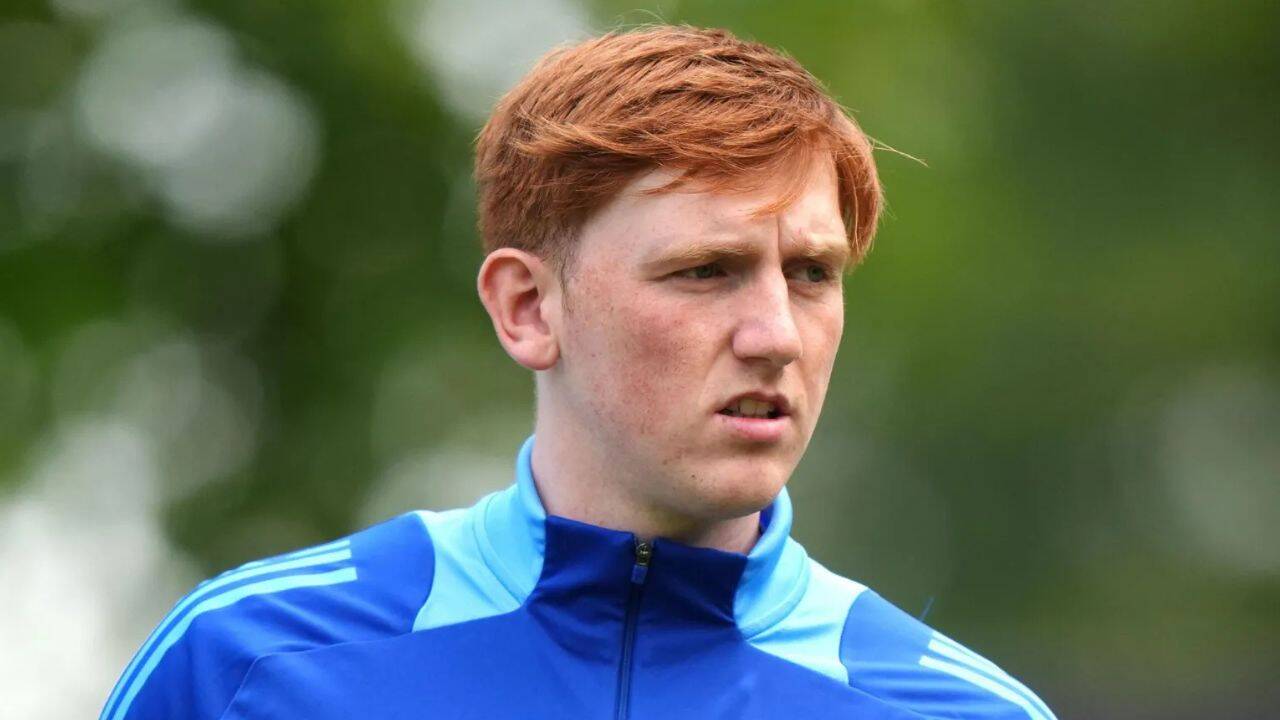
Popular British streamer Morgan Burtwistle, known to millions online as AngryGinge, found himself at the absolute center of this exact mess. During his matchday vlog for his second YouTube channel, MoreGinge, the 24-year-old creator paused his coverage to confront a spectator sitting directly in front of him. According to Morgan and five nearby witnesses, the man was hurling incredibly foul, racist abuse at the Ghanaian national team.
Instead of turning a blind eye, Morgan tried to get the man thrown out. What followed was a complete failure of stadium protocol and a toxic wave of online backlash that tells us everything we need to know about the dark side of internet fandom. Trolls quickly swarmed his social media, labeling his actions as pathetic whiny Karen behavior and accusing him of chasing clout.
The reaction to his intervention reveals a deeper, more troubling issue. When did standing up against blatant discrimination turn into a crime worse than the discrimination itself?
The Inciting Incident in Boston
Morgan wasn't looking for a fight when he traveled to Massachusetts. He was doing what he always does: filming his experience, interacting with fans, and backing the Three Lions. The vibe shifted around the 18-minute mark of his vlog.
He noticed a spectator continuously targeting Ghanaian players with racist slurs. For Morgan, a lifelong football fan who openly supports the English anti-discrimination campaign Kick It Out, staying quiet wasn't an option.
He stopped filming the pitch, turned the camera on himself, and explained the situation to his viewers. He made it clear that he was going to find a supervisor because nobody should have to sit through that kind of behavior. A text overlay in the video spelled it out clearly: the man was making incredibly racist comments toward the Ghanaian national team, and it was only right to stand up and deal with it.
What happened next highlights a massive gap between the grand anti-racism statements made by sporting organizations and the reality of how these policies are handled on the ground.
When Stadium Protocols Fail on the Big Stage
Morgan tracked down the American stadium stewards and reported the abusive spectator. He didn't just make a vague complaint. He brought five other witnesses who all explicitly confirmed they heard the exact same slurs.
The response from security was baffling. Instead of immediately ejecting the offender, the stewards reportedly told Morgan that they couldn't kick him out right away. Their reason? They claimed stadium rules dictated the man could only be removed if he was caught making a second racist remark.
Think about how ridiculous that logic is. It essentially grants a spectator one free pass to racially abuse professional athletes before any real consequences kick in.
Morgan didn't hide his anger at the system. He called the venue's protocol a total disgrace. To tell someone that a fan has to abuse players a second time before facing ejection is completely unbelievable. It runs entirely counter to the zero-tolerance messaging that FIFA and international football bodies continuously push before every major match.
The situation got even weirder when Morgan confronted the man face-to-face. The spectator immediately backpedaled, offering a weak apology and asking if they could just forget about it. Morgan shut that down instantly, refusing to let the guy brush off his actions for the sake of convenience.
Despite the confrontation, the multiple witnesses, and the formal report, security allowed the man to stay in his seat for the remainder of the match. When Morgan left the stadium after the final whistle, he saw the exact same fan walking out with the rest of the crowd.
The Internet Splits on Who to Blame
Once the vlog went live on YouTube, the conversation didn't center on the stadium's broken security policies or the fan's behavior. Instead, a vocal segment of the internet turned its fury directly on Morgan.
A barrage of critical comments on X and Instagram took aim at his decision to intervene. Some users claimed that reporting the fan was a form of performative activism. They compared his video to people who film themselves performing random acts of kindness just to get likes online.
Other critics took a bizarre cultural angle, mocking the idea of stadium security rules entirely. They argued that traveling all the way to a World Cup match just to spend time tattling on a stranger pointed to a flaw in modern culture, calling it a weak, feminized appeal to authority.
The phrase that captured the most attention from trolls was the accusation that Morgan was exhibiting pathetic whiny Karen behavior. They told him to shut up, sit down, and stop acting like a neighborhood watch volunteer for online clout.
This reaction highlights a toxic double standard in sports fandom. If a creator ignores an incident happening right in front of them, they get called complicit. If they film it and try to fix it, they get accused of exploiting the situation for views.
The Creators Backing Morgan
Thankfully, the entire internet didn't lose its mind. A significant portion of the community, including prominent content creators, rushed to defend Morgan's actions.
Fellow YouTuber Kavos was one of the loudest voices pushing back against the trolls. He pointed out the utter absurdity of the backlash, stating that seeing people get more furious at Morgan for calling out racism than at the actual person being racist was genuinely sickening. He reiterated that racism has no place anywhere, and calling it out is always the right thing to do.
Morgan himself took to Instagram to address the wave of abusive and threatening messages filling his inbox. He posted screenshots of the vitriol he received, adding a simple, pointed caption: "Standing up to racism gets you this? What a world we live in."
The support from his peers emphasizes a critical point. Morgan didn't create the situation. He didn't force the spectator to shout slurs. He simply chose to document the reality of attending a high-stakes international match, exposing the ugly underbelly of fan culture that many leagues try to sweep under the rug.
Why This Matters Beyond the Streamer World
This incident isn't just a isolated piece of influencer drama. It exposes a massive, ongoing challenge for international football as it tries to expand its reach and maintain fan safety at global events.
When major tournaments are hosted in regions that aren't accustomed to the intense, tribal, and sometimes volatile nature of European and global football crowds, local security staff are often completely unprepared. The American stewards at Boston Stadium treated a severe incident of racial harassment with the same casual attitude they might apply to someone standing in the wrong aisle or bringing an oversized bag into the venue.
A zero-tolerance policy means absolutely nothing if the people hired to enforce it don't understand the weight of the words being used. Allowing an offender to stay after five separate people verify their behavior sends a terrible message to everyone else in the stands. It tells targeted fans that their safety and dignity are secondary to avoiding a minor logistical hassle for stadium staff.
Moving Past the Clout Accusations
The argument that Morgan only did this for internet points falls apart under basic scrutiny. Morgan Burtwistle is already one of the most successful creators in the UK. He has over 1.5 million followers on Twitch, a massive main YouTube channel, and he won the 2025 series of I'm a Celebrity... Get Me Out of Here!. He doesn't need to manufactured stadium drama to get clicks.
When you have a massive platform, you have a choice. You can use it to maintain a perfectly polished, conflict-free image, or you can use it to highlight real issues happening in the spaces you occupy. By including the incident in his vlog, Morgan forced his audience to look at the exact kind of behavior that drives decent people away from live matches.
Turning the blame onto the person who blows the whistle is a classic deflection tactic. It allows uncomfortable onlookers to pretend the problem is just internet drama rather than addressing the persistent rot of discrimination in sports.
What Needs to Happen Next
If sporting bodies want to actually clean up the stands, they have to move past empty marketing slogans and implement real, actionable changes at every single venue.
- Stadiums must provide local event staff with intensive training on how to identify and immediately handle discriminatory behavior, ensuring they understand that a single verified offense is grounds for immediate eviction.
- Content creators and fans who use their phones to document misconduct should be viewed as assets for identification rather than nuisances disrupting the peace of the stadium.
- Online platforms need to do a significantly better job of shielding individuals from targeted harassment campaigns when they speak out on public interest issues.
The next time you see a creator or a regular fan speaking up in the stands, don't default to cynicism. Don't worry about whether they're doing it perfectly or if their camera is rolling. Focus on the person making the environment unsafe in the first place. That's where the real anger belongs.