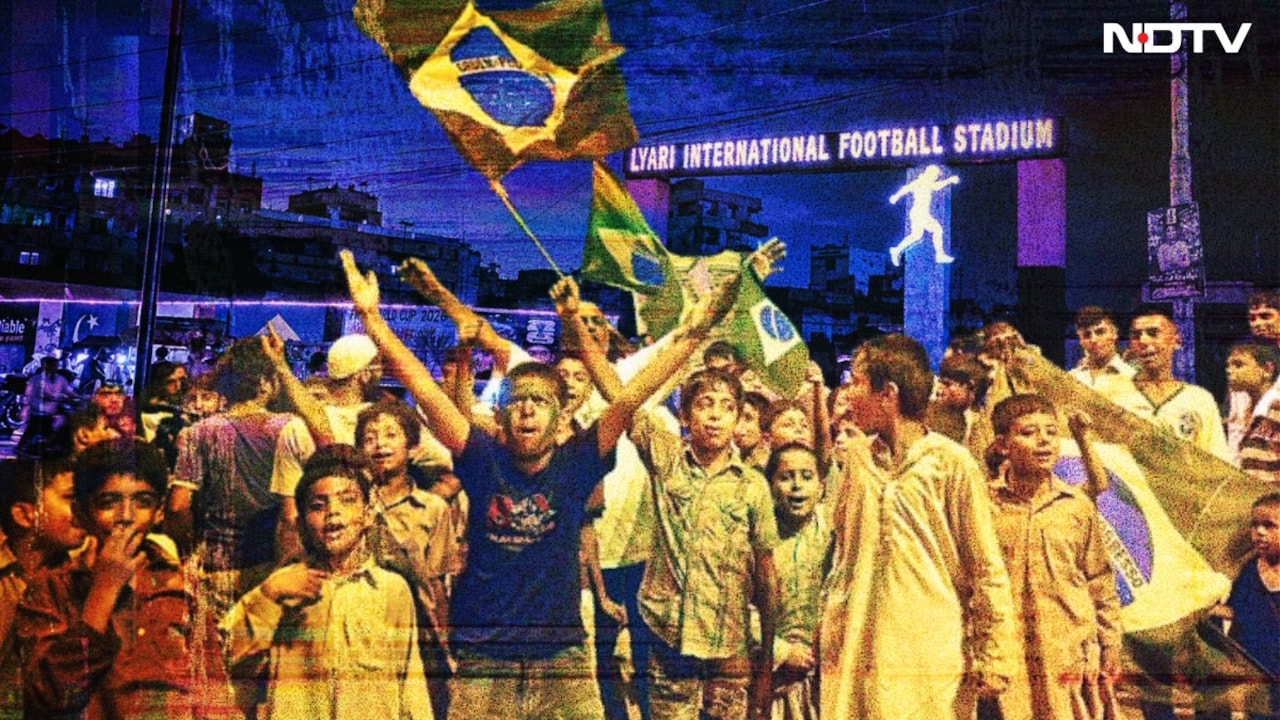
You have probably seen the trailers or heard the chatter about Dhurandhar, the Bollywood spy thriller starring Ranveer Singh. It paints Karachi’s infamous neighborhood, Lyari, as a dark, gun-heavy epicenter of cross-border espionage and international terror networks. It makes for fantastic, high-octane box office bait. But honestly, it is mostly fantasy.
If you talk to anyone who actually knows the streets of Lyari, they will tell you a completely different story. They don't want to talk about Rehman Dakait, Uzair Baloch, or the bloody gang wars that defined the early 2000s. They want you to look at the dusty, floodlit dirt grounds where some of the most passionate soccer players on earth are chasing a ball.
With the FIFA World Cup 2026 taking over global sports conversations, the youth of Lyari are desperate to flip the narrative. They don't want the world to see them through a lens of cinematic violence. They want the world to see their football.
The Problem With the Dhurandhar Narrative
Aditya Dhar’s film Dhurandhar takes real-life figures like the gangster Rehman Dakait and the late Karachi counter-terror officer Chaudhry Aslam (played by Sanjay Dutt) and stretches their histories into a global spy playground. Sociologists and local journalists have pointed out how bizarre it is to fold a highly localized urban mafia conflict into a grand nationalist espionage plot.
The real gang war in Lyari was tragic, localized, and driven by extortion, drug turf, and messy political patronage. It had nothing to do with international spy agencies. When cinema rewrites local history for cheap thrills, it leaves the real people living there to carry the stigma.
Lyari has long been dubbed "Little Brazil" inside Pakistan. Walk down its narrow alleys during any major tournament, and you will see the walls painted in the green and yellow of Brazil or the blue and white of Argentina. While the rest of Pakistan is utterly obsessed with cricket, Lyari lives, breathes, and bleeds football.
A Football Obsession Caught in the Crossfire
The tragedy of Lyari is that its immense athletic potential was historically choked out by the very violence Bollywood loves to glamorize. During the height of the gang wars, criminal syndicates used soccer clubs for recruitment or extortion. Promising young athletes couldn't travel to other parts of the city for trials because crossing a territorial border meant risking a bullet.
Despite the lack of green grass, professional training academies, or proper financial backing, the neighborhood keeps producing raw talent. The local tournaments draw thousands of spectators who pack into concrete stands, singing, drumming, and cheering with an intensity that mirrors the iconic stadiums of South America.
The kids here do not look up to the fictional characters on the silver screen. They look up to local legends and global icons. They want the scouts, the sponsors, and the international community to realize that talent does not stop existing just because a neighborhood has a rough reputation.
Why Lyari Matters to the Global Game
The absolute obsession with cricket in South Asia has left football underfunded and largely ignored by athletic boards. Yet, the grassroots community in Karachi persists entirely on passion.
Local organizers run youth leagues with barely any equipment. Coaches volunteer their time to keep teenagers away from the lingering remnants of street crime and drug abuse. Football isn't just a pastime in this part of Karachi; it's a lifeline. It's a way out.
When major media networks and cinematic projects focus exclusively on the ghosts of Uzair Baloch or the bullet-riddled history of the People's Aman Committee, they actively harm the community's future. Corporate sponsors stay away. International academies don't look closer. The cycle of neglect continues.
Flipping the Script for the Future
If we want to support real change, we have to change what we consume and what we talk about. The next time someone brings up the cinematic chaos of Dhurandhar, remind them of the real Lyari.
Here is how you can help shift the spotlight to where it actually belongs:
- Follow Local Content Creators: Look for Karachi-based sports journalists and independent filmmakers who document the actual grassroots tournaments on YouTube and Instagram.
- Support Grassroots Initiatives: Organizations working on the ground use sports to provide education and mentorship to underprivileged kids in the area. Sharing their stories helps them secure the funding they desperately need.
- Stop Romancing the Underworld: Let's appreciate big-budget cinema for its entertainment value but reject it as a historical text.
The people of Lyari are tired of being the villain in everyone else's story. They're ready to be the heroes of their own, and they plan to do it with a ball at their feet.