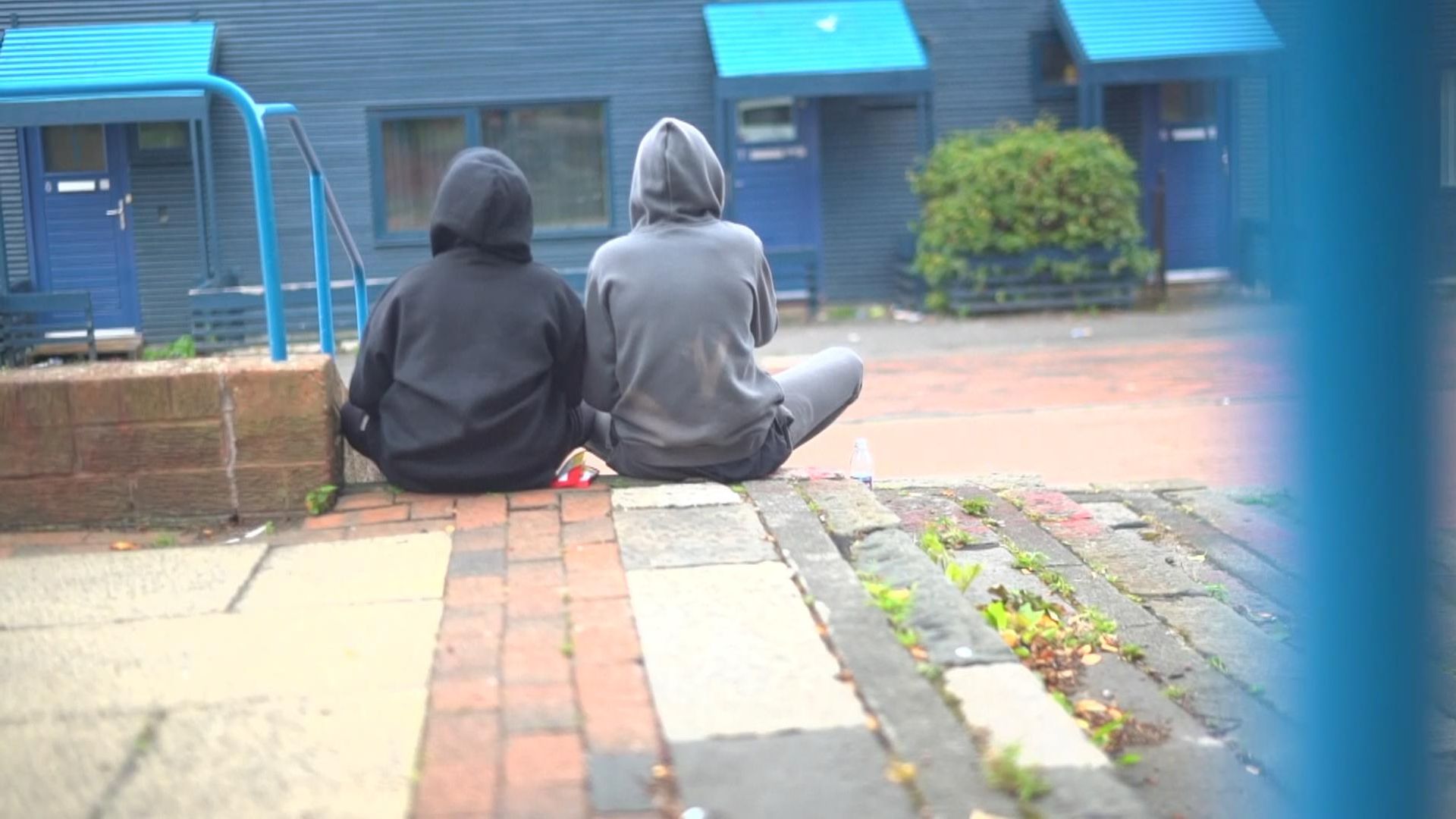
More than one million children in England are currently stuck in the conveyor belt of a broken mental health system.
Let that number sink in. It is not a vague estimate or a projection for the future. It is the hard reality right now. Fresh data from NHS England, analyzed by Children’s Commissioner Dame Rachel de Souza, shows that an astonishing 1,048,965 young people had active referrals to Children and Young People’s Mental Health Services (CYPMHS) over a twelve-month period. Meanwhile, you can find other developments here: Why Indias Viral Liver Doctor Matters More Than The Wellness Influencers Criticizing Him.
If you are looking for the exact moment the system fractured completely, this is it. One in ten children in the country are now waiting for or receiving specialized support. That is double the caseload from just a few years ago.
When you look at why families are searching for answers, the intent is clear. Parents want to know why it takes forever to get help, what is causing this massive surge, and what they can actually do when their child is spiraling. This is not about abstract policy debates anymore. It is a structural failure affecting millions of kitchen tables. To explore the full picture, check out the recent report by World Health Organization.
The Brutal Reality Behind the Million
The headline numbers are staggering, but the individual data points reveal how deep the rot goes. System capacity has flatlined while the volume of children breaking down has skyrocketed.
Look at how the numbers stack up:
- Active referrals hit 1,048,965, a 9.5% jump in a single year.
- This caseload is nearly double the 563,639 referrals tracked in 2018-19.
- Over one in three children referred are left sitting in limbo, receiving no treatment at all.
- A staggering 60,000+ children have been waiting for more than two years for support. That is up from 44,000 the year before.
If you think a referral means your child gets help, you are wrong. The average wait across the board is 128 days. But if your child is one of the hundreds of thousands left without treatment, that average wait jumps to 224 days. Think about that. That is more than seven months of a child’s life spent waiting for a first appointment while their condition worsens.
What is Driving the Avalanche
People keep looking for a single culprit behind the children mental health crisis. There isn’t one. Instead, we are seeing a massive shift in how neurodevelopmental conditions and emotional distress are identified, mixed with a severe lack of early support.
Anxiety remains the single most common reason a child gets flagged, making up 16% of all cases. But the real explosion is happening elsewhere.
Suspected autism referrals shot up by 47% in a single year, climbing from roughly 65,530 to 96,393. Referrals for other neurodevelopmental conditions jumped by 24%.
Schools and parents are getting better at spotting when a child’s brain works differently. That is a good thing. The disaster happens when those children hit the NHS wall. Children with suspected autism face the absolute worst outcomes in the entire system. Only 13% of them actually received any treatment within the year. Those lucky enough to get through had to wait an average of 365 days just to get started.
We have created a system that demands a formal diagnosis for a child to get basic educational support, but we have blocked the gateway to getting that diagnosis.
The Funding Illusion
You will often hear politicians claim they are pouring record amounts of cash into youth services. Don’t buy the spin.
Real-term spending on these mental health services did go up by 2% to £1.1 billion. But matching a 2% budget increase against a 10% surge in demand is basic math failure. The funding is being eaten alive by the sheer volume of new cases. It is like trying to put out a house fire with a water pistol while someone else pours gasoline out back.
Because the money does not go toward early intervention in schools or communities, the pressure builds until it blows. We are refusing to fix the leaky roof, choosing instead to pay for expensive buckets when the ceiling collapses.
A Systemic Failure in Crisis Prevention
When you do not catch problems early, they turn into emergencies. The data exposes an ugly truth about how some groups are pushed to the absolute limit before anyone steps in.
One in four Black children referred to mental health services only enter the system when they are already in a full-blown crisis. Compare that to 16% of Asian children and just 7.4% of white children.
This means a terrifying number of minority kids are being ignored or mismanaged until their situation becomes dangerous enough to require emergency intervention or an A&E admission. We are failing to intervene when a child starts struggling at school, forcing them to hit rock bottom before the system acknowledges their pain.
What Parents and Schools Can Actually Do Right Now
Waiting for a government strategy or an NHS overhaul will take years. If you are dealing with a child in distress today, you need tactics that work outside of the standard referral loop.
Maximize School-Led Support
Do not wait for an external NHS specialist to save the day. Most schools have access to designated Mental Health Support Teams or internal counselors. Schedule an urgent meeting with the Special Educational Needs Coordinator (SENCO). Push for immediate internal adjustments, like quiet zones or modified timetables, which do not require a formal medical diagnosis to implement.
Map Local Voluntary and Community Services
The voluntary sector is often the only thing keeping families afloat. Look for local hubs run by charities like YoungMinds, Place2Be, or regional youth trusts. They frequently offer drop-in counseling sessions, peer support groups, and parent helplines that bypass the 224-day NHS waiting lists entirely.
Create an Actionable Crisis Plan
If a child’s mental health is deteriorating, build a concrete safety plan at home. Identify clear triggers, establish a routine that prioritizes sleep hygiene over screens, and keep emergency contacts visible. Make sure they know they can text SHOUT to 85258 for free, confidential 24/7 crisis support, or call the Samaritans at 116 123 if things get dangerous.
The children mental health crisis will not fix itself through minor budget tweaks or token gestures. It requires a complete re-engineering of how we support young minds from early childhood onward. Until that happens, the burden falls on families and communities to patch the cracks in a system that is failing its most vulnerable citizens.
The 'mental health bank' plugging the gap in treating children offers a firsthand look inside independent centers funding their own counselors to support young people who cannot afford to wait on massive NHS lists.