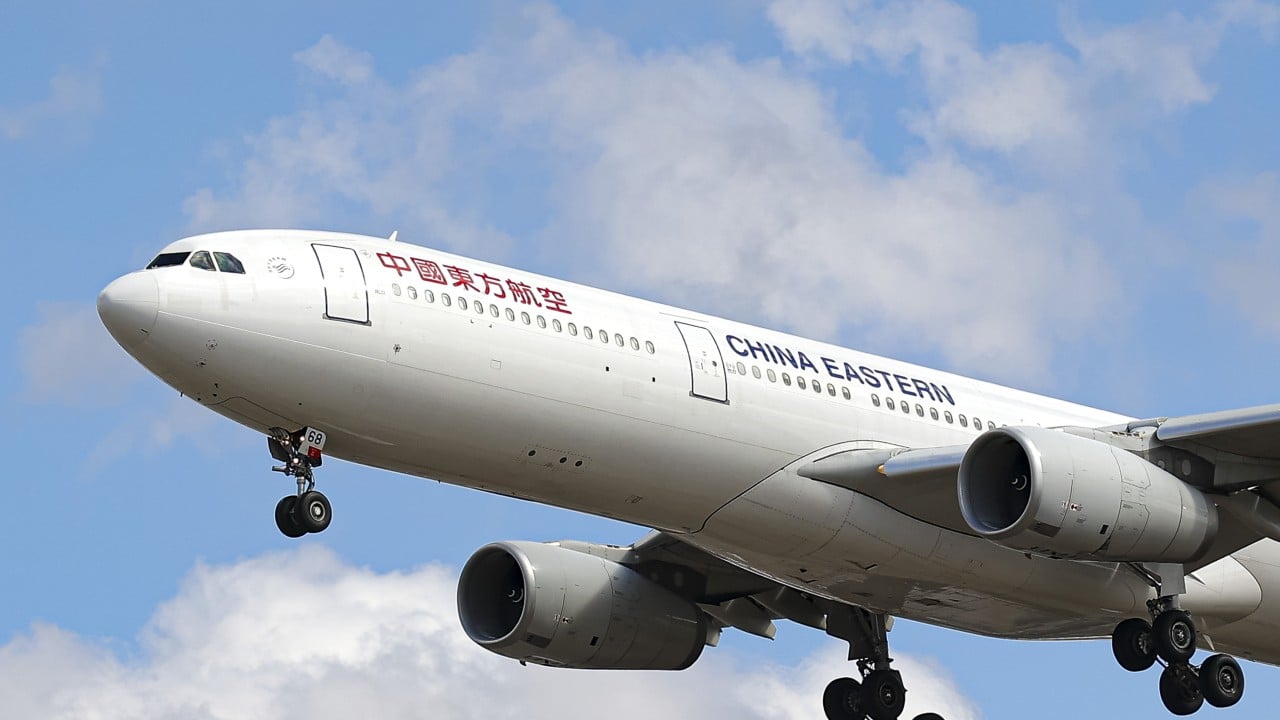
Airbus just locked down another massive win in the world’s most competitive aviation market, and it tells us everything about where global air travel is heading. China Eastern Airlines officially committed to buying 25 Airbus A330neo widebody jets. The paperwork, filed directly with the Shanghai Stock Exchange, prices the deal at a staggering $9.35 billion based on list prices.
Nobody actually pays full list price for commercial aircraft. China Eastern openly noted that its final bill will feature discounts beating even its previous historic deals with the European planemaker. But the sticker price isn't the real story here. The real story is how quietly and completely Airbus is cornering the widebody market in mainland China while its main American competitor sits on the sidelines.
If you think this is just a routine fleet refresh, you're missing the bigger picture. This purchase highlights a fundamental shift in how Chinese state-owned carriers view long-haul international travel over the next decade.
The Economics of the China Eastern A330neo Choice
Airlines don't buy 25 massive twin-aisle jets on a whim. The decision by China Eastern to adopt the A330neo platform comes down to brutal operational math and fleet familiarity.
Right now, the Shanghai-based carrier operates an absolute mountain of older Airbus widebodies. Data shows they run thirty A330-200s and twenty-six A330-300s. These workhorses aren't getting any younger. The A330-200 fleet averages over 13 years old, and the A330-300s hover around 12 years old. In commercial aviation, that's the exact window where maintenance costs start spiked and fuel inefficiency starts bleeding cash.
By choosing the A330neo, which uses Rolls-Royce Trent 7000 engines and features upgraded high-aspect-ratio wings, China Eastern gets a major boost in fuel efficiency without needing to completely retrain its massive roster of pilots. It's a plug-and-play upgrade. Pilots certified on the older classic A330 can transition to the A330neo with minimal simulator time. That saves millions in training costs and avoids operational downtime.
The delivery timeline stretches from 2029 through 2033. The staggered schedule prevents capital strain:
- 4 jets arriving in 2029
- 5 jets in 2030
- 6 jets in 2031
- 7 jets in 2032
- 3 jets in 2033
This schedule tells us that China Eastern expects a slow, calculated ramp-up of its long-haul international capacity rather than a sudden post-pandemic surge. They plan to retire at least 10 of their oldest widebodies as these new units arrive, optimizing their seat capacity perfectly.
Why Shanghai Pudong is the True Battleground
The filing makes it clear that these new widebodies will primarily fly out of Shanghai Pudong International Airport. This detail is crucial for anyone trying to understand the strategic intent behind the purchase.
Shanghai Pudong is China's premier gateway for intercontinental travel. While domestic air travel in China bounced back quickly over the last couple of years, international traffic has been a trickier puzzle. European and North American routes have faced headwinds ranging from airspace restrictions to changing tourist preferences.
By anchoring 25 new A330neo aircraft at Pudong, China Eastern is placing a definitive bet on the long-term recovery of high-density international routes. The A330neo fits a specific sweet spot. It doesn't have the extreme range or massive capacity of an Airbus A350-1000 or a Boeing 777X, but it offers exceptional seat-mile economics on medium-to-long-haul routes. Think Shanghai to Europe, Australia, or regional high-demand Asian hubs like Singapore and Tokyo.
It's an aggressive move to solidify Pudong as a global transit hub before regional rivals can catch up. China Eastern wants to flood the market with frequent, highly efficient flights that make older, thirstier aircraft flown by competitor airlines look financially non-viable.
The Geopolitical Reality Boeing Can't Escape
You can't talk about Chinese aviation without talking about politics. The ongoing friction between Beijing and Washington continues to act as a drag on Boeing's commercial ambitions in the region.
Let's look at the numbers. So far this year, Chinese airlines and aircraft leasing firms have handed Airbus roughly 200 orders. That follows another 150 orders placed across the prior year. Airbus now has an active footprint of nearly 2,400 aircraft flying in Chinese skies.
Boeing has struggled to match this momentum. The American manufacturer is still managing the reputational and regulatory fallout from past 737 Max incidents, compounded by factory quality control issues that have slowed down global production.
There was a brief moment of hope for Boeing earlier this year. During a presidential visit to Beijing in May, hints emerged that China might buy up to 200 large American aircraft. But that announcement lacked firm contractual signatures, and the numbers fell well short of the 500 jets the industry previously anticipated. Chinese state buyers are diversification experts, but right now, they're voting with their wallets for European engineering.
This creates a massive competitive moat for Airbus. When a carrier like China Eastern builds its long-term strategy around the Airbus ecosystem—remembering they also ordered 101 narrowbody A320neo jets back in March—it becomes incredibly difficult for Boeing to break back into the fleet ecosystem later.
Funding a Nine Billion Dollar Fleet Update
How does an airline pay for a $9.35 billion order without triggering a liquidity crisis? China Eastern explicitly laid out its financial strategy in its regulatory disclosures, and it's a textbook lesson in corporate treasury management.
The airline plans to split the bill across multiple avenues:
- Internal cash reserves generated from ongoing domestic operations
- Commercial bank loans structured around the delivery dates
- Capital market instruments, including local corporate bond issuances
Because the deliveries are spread across a five-year window starting three years from now, the cash outflows are highly predictable. The airline's management stated clearly that this structure ensures day-to-day operations won't suffer from cash flow crunches.
Furthermore, the operational savings from the new fleet will help pay for the acquisition itself. The A330neo offers double-digit reductions in fuel burn per seat compared to the older A330-200s it will replace. At a time when global jet fuel prices remain highly volatile, cutting your fuel bill by 14% across 25 long-haul airframes translates directly into hundreds of millions of dollars added back to the bottom line.
What This Means for Global Aviation Suppliers
The ripple effects of this deal extend far beyond Airbus and China Eastern. The biggest winner outside of Toulouse is Rolls-Royce. As the exclusive engine supplier for the A330neo, the British engineering firm just secured a massive long-term revenue stream for its Trent 7000 program.
This isn't just about selling the engines; it's about the decades of high-margin maintenance, repair, and overhaul contracts that follow those engines. Every hour these aircraft spend flying out of Shanghai Pudong means guaranteed billable hours for engine service networks.
Conversely, this serves as a wake-up call for global premium cabin suppliers and inflight entertainment providers. China Eastern will be configuring these jets for international travelers who expect modern amenities. The race is now on for aerospace suppliers to win the contracts to outfit these 25 new cabins with next-generation seats, connectivity systems, and galleys.
Next Steps for Aviation Investors and Analysts
If you are tracking the aerospace sector, stop looking at vague geopolitical statements and start watching the hard delivery timelines. The battle lines for the next decade of widebody dominance are being drawn right now.
To accurately gauge how this deal impacts the broader market, focus your analysis on three specific metrics over the coming quarters.
First, monitor the retirement rate of China Eastern’s existing A330-200 fleet. If they accelerate these retirements ahead of the 2029 delivery window, it means maintenance costs on older widebodies are worsening faster than expected. That could force other Chinese legacy carriers to accelerate their own widebody replacement plans.
Second, watch for the formalization of any concrete Boeing orders from the Chinese state buying agency. If those promised commitments from the spring meetings don't convert into firm contracts by the end of this year, Airbus will effectively hold a near-monopoly on Chinese widebody deliveries for the next decade.
Third, track passenger yield data out of Shanghai Pudong Airport. The financial success of this multi-billion dollar bet depends entirely on China Eastern’s ability to fill those A330neo cabins with premium international travelers. If long-haul international demand lags behind the projected 5% annual growth rate, the carrier will face intense margin pressure when the first deliveries touch down in 2029.