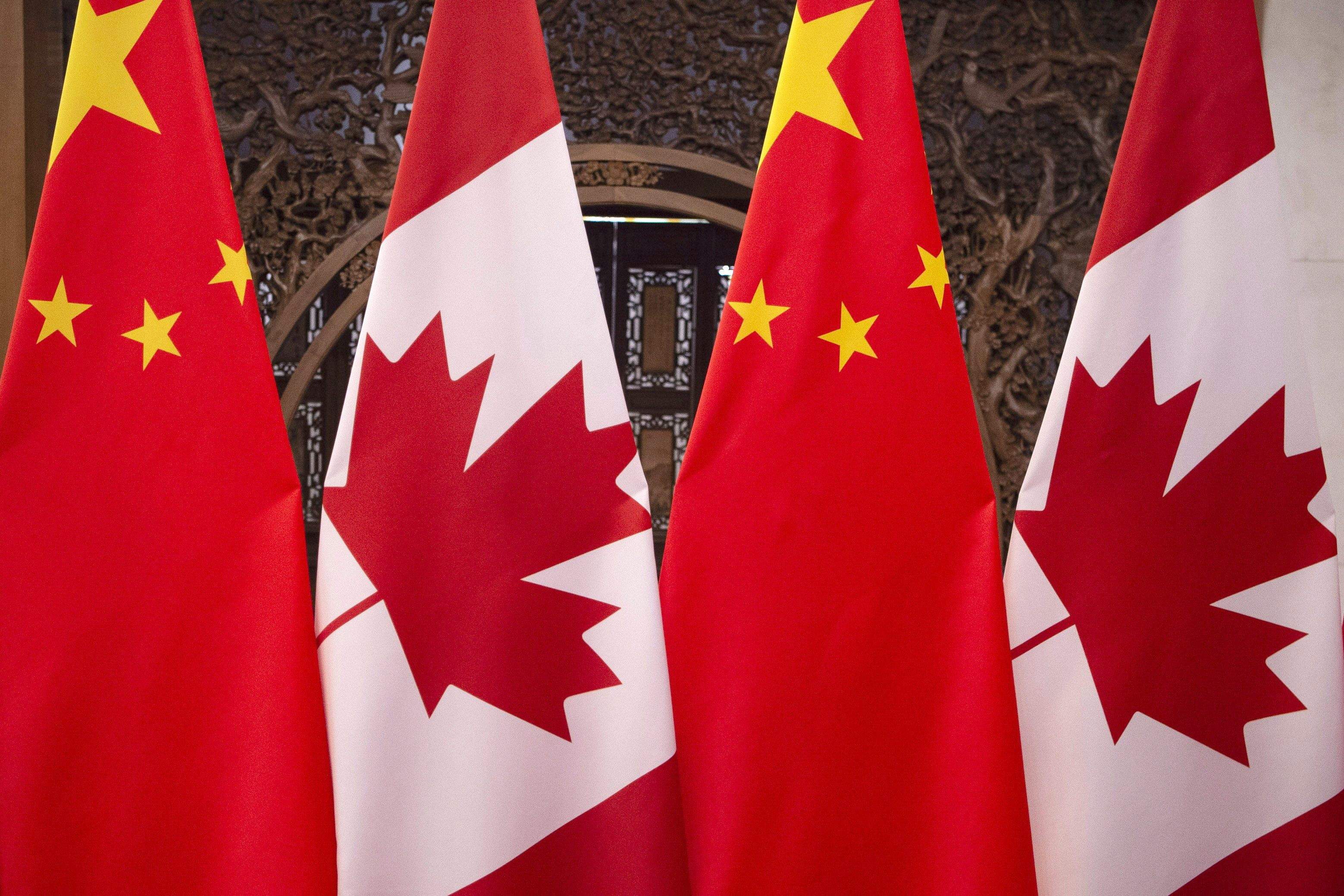
Just when Canadian agri-businesses thought it was safe to breathe, Beijing threw another wrench into the gears. Starting July 1, 2026, China's Ministry of Commerce is hitting Canadian pea starch imports with a massive 73.5% preliminary anti-dumping tariff.
If you think this is just a routine regulatory tweak, you're missing the bigger picture. This move directly threatens Canada's rapidly growing plant protein processing sector. It also exposes the fragile reality behind recent diplomatic handshakes. Meanwhile, you can read other events here: Why The Three Billion Dollar Prepa Debt Offer Won't Fix Puerto Rico's Power Crisis.
Let's get straight to the point. Why pea starch, and why now? On paper, Beijing claims an investigation launched in August 2025 proved that Canadian exporters were dumping pea starch into the Chinese market, causing material injury to local producers. In reality, this is the latest chapter in a bitter, ongoing trade feud that spans electric vehicles, steel, and agricultural staples.
The Geopolitical Tit for Tat
You can't understand this tariff without looking at what happened over the last two years. Back in 2024, Ottawa imposed a stinging 100% tariff on Chinese electric vehicles, alongside heavy duties on batteries and solar panels. Beijing didn't take that sitting down. They retaliated by targeting Canadian canola, pork, and seafood. To understand the bigger picture, check out the detailed article by Bloomberg.
Fast forward to January 2026. Prime Minister Mark Carney traveled to Beijing to smooth things over. A deal was struck. Canada agreed to allow a capped quota of 49,000 Chinese electric vehicles into the country at a lower tariff rate. In exchange, Chinese President Xi Jinping's government rolled back crushing duties on Canadian canola seed, peas, and seafood. It was hailed as a major turning point.
Clearly, the truce didn't last.
The timing of this new pea starch levy isn't accidental. It landed just days after the Canadian International Trade Tribunal issued a warning about Chinese steel racks. Canadian authorities found a reasonable indication that the dumping of Chinese steel racks was hurting domestic manufacturers. A preliminary decision on Canadian duties against those steel imports is expected by mid-July.
Beijing's message is loud and clear. If Canada touches Chinese industrial exports, China will squeeze Canadian agricultural exports.
What This Actually Means for Canadian Agri-Business
Pea starch might sound like a niche commodity, but it's a critical component in global food supply chains. It's used everywhere as a thickener and stabilizer in packaged foods, animal feed, and pharmaceuticals. It's also a major byproduct of the plant-based protein boom.
When companies extract high-value protein from yellow peas to make meat alternatives, they're left with tons of pea starch. Selling that starch to massive buyers in China is how these processing plants balance their books.
Now, Chinese importers must lock up a 73.5% security deposit with customs authorities just to bring Canadian pea starch across the border. That completely breaks the economics of the trade.
- Higher costs for processors: Canadian plants can't easily absorb a 73.5% price hike, meaning profit margins on plant protein will shrink.
- Glut at home: With the Chinese market effectively blocked, a massive amount of pea starch will stay in North America, depressing local prices.
- Political fallout: The federal opposition was quick to pounce. Conservative critics John Barlow, Stephanie Kusie, and Eric Duncan released a joint statement calling the government's trade strategy a complete disaster. They argue the January deal offered zero permanent guarantees for farmers.
The Core Misconception About Trade Deals
Many market observers mistakenly believe that a signed trade agreement means stability. It doesn't.
Anti-dumping investigations are the perfect loophole for protectionism. A government can respect the letter of a trade deal while using targeted domestic investigations to block specific goods. China launched this specific pea starch probe on the exact same day it originally targeted Canadian canola seed in August 2025. By finalizing the preliminary tariff now, Beijing is showing that it can turn the trade pressure dial up or down whenever it pleases.
Relying on a single massive buyer like China is a risky strategy for agricultural exporters. While China represents an enormous consumer base, its regulatory environment functions as a political tool.
Your Next Tactical Moves
If you are an agricultural exporter, investor, or processor caught in this crossfire, stop waiting for Ottawa and Beijing to sort out their differences. You need to protect your business today.
First, aggressively diversify your starch off-take agreements. Look toward domestic North American food manufacturers and expanding European markets that are hungry for clean-label, non-GMO texturizers.
Second, re-evaluate your processing margins based on zero-value or low-value starch byproducts. If your plant's profitability relies entirely on selling cheap starch to Asia, your financial model is broken. Focus instead on upgrading that starch into higher-value modified products or technical applications that can absorb higher transport and tariff costs.
Trade wars don't have neat endings. Expect more turbulence as the July steel decisions approach.