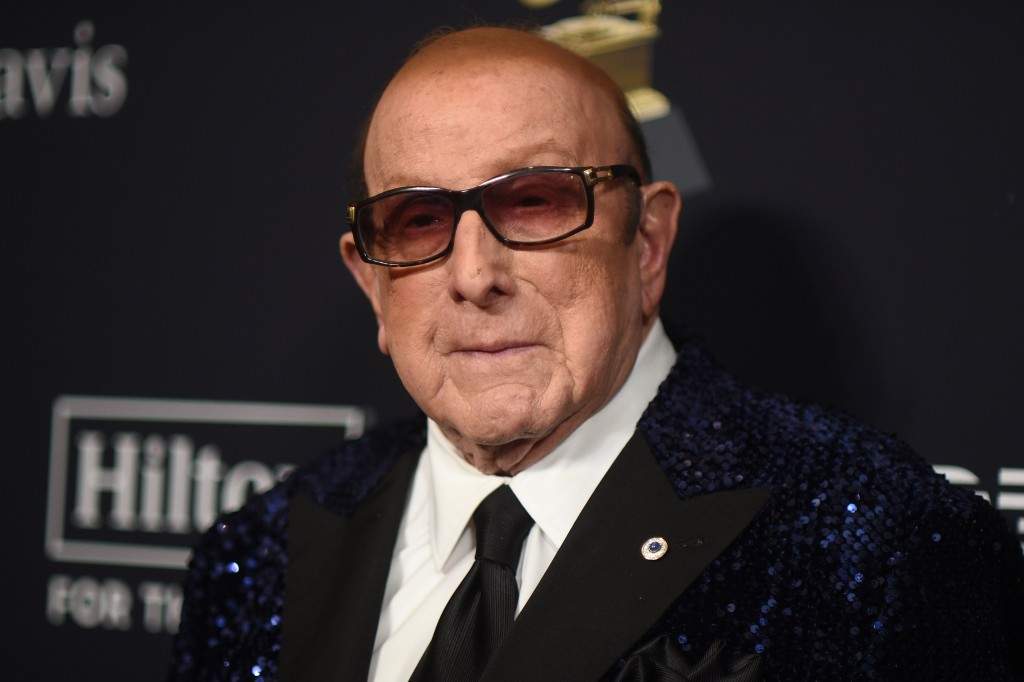
The music business doesn't make people like Clive Davis anymore. When news broke on Monday, June 22, 2026, that Clive Davis, the iconic music industry executive, was dead at 94, it felt like the final curtain dropped on an entire era of culture. He didn't just run record labels. He built the modern listening experience from scratch. He died peacefully in his Manhattan apartment from an age-related illness, leaving behind a family that loved him and an industry that owed him its entire modern blueprint.
Most people think great music executives need to be musicians. Clive Davis proved that theory completely wrong. He started as a corporate lawyer who didn't know a guitar chord from a contract clause. Yet, his instinct for what the public wanted to hear outlasted every single one of his rivals.
The Nerd in the Tennis Sweater Who Found Janis Joplin
Picture the Monterey Pop Festival in 1967. The air smelled like patchouli and weed. The crowd wore tie-dye, flowers, and velvet. Then there was Clive Davis. He was 35 years old, wearing a crisp white V-neck tennis sweater and thick black glasses. He looked like an undercover cop or a lost accountant. At that point, he was a Harvard Law graduate who had just been handed the keys to Columbia Records because the previous management got pushed out. He openly admitted he knew absolutely nothing about rock music.
Then Janis Joplin took the stage with Big Brother and the Holding Company.
Her performance wasn't just loud. It was primitive, raw, and desperate. While the rest of the suit-wearing executives back in New York were dismissing rock as a passing fad for rebellious teenagers, Davis felt something physical. He later described it as a literal tingling in his spine. He saw that music was shifting from clean-cut pop novelties to a visceral cultural revolution. He trusted that feeling, went backstage, and signed Joplin on the spot.
That single signing changed Columbia Records overnight. It transformed a stuffy institution known for Broadway cast recordings and classical albums into the epicenter of counterculture. He didn't stop with Joplin. Over the next few years, Davis signed Santana, Bruce Springsteen, Billy Joel, and Aerosmith. He brought Earth, Wind & Fire to the masses. He didn't look like his artists, and he didn't live like them, but he understood their value better than they did themselves.
The Arista Years and the Creation of the Perfect Pop Star
Columbia fired Davis in 1973 over an expense account scandal that involved using company funds for a bar mitzvah. Most executives would have slid into a comfortable retirement or hidden away in legal consulting. Davis did the opposite. He launched Arista Records in 1974 and immediately set out to prove that his success at Columbia wasn't a fluke.
If Columbia was about capturing the raw energy of rock and soul, Arista became a masterclass in engineering the perfect pop hit. He found Barry Manilow and gave him "Mandy." He resurrected the careers of legacy acts who had been written off by the industry. Dionne Warwick and Aretha Franklin found their second wind under his direction, scoring massive chart successes in the 1980s when the youth-obsessed market thought they were done.
But his crowning achievement walk on this earth arrived in 1983. That was the year he heard a nineteen-year-old girl singing in a New York nightclub with her mother. Her name was Whitney Houston.
Davis didn't just sign her. He protected her, guided her, and curated her sound with terrifying precision. He spent two years gathering the exact right songs for her debut album. He rejected tracks from top songwriters because they weren't undeniable. When the self-titled album dropped in 1985, it didn't just sell millions of copies. It established a new vocal standard for pop music that echoed through the industry for decades.
The Tragedy Behind the Magic
You can't talk about the massive success without talking about the heartbreaking lows. The bond between Davis and Whitney Houston was deep, paternal, and fiercely complicated. He turned her into a global powerhouse, but he also watched her spiral as fame and personal demons took hold.
When Houston's career fractured under the weight of drug addiction, Davis remained her fiercest defender. He was always convinced she could make a comeback. He wanted to believe it so badly that he ignored the warning signs that others saw clearly.
On February 11, 2012, Houston died in a bathtub at the Beverly Hilton Hotel. She was found just hours before she was scheduled to perform at Davis's legendary pre-Grammy Awards gala in the exact same building. The tragedy shattered him. He went ahead with the party that night, transforming it into a somber, impromptu memorial. Critics slammed him for not canceling the event entirely. He argued that music was the only way to honor her. It was a brutal reminder that the machine he helped build could be incredibly cruel to the geniuses who powered it.
The Bad Boy Partnership and the Hip Hop Shift
While other older executives ran away from hip-hop in the 1990s because they didn't understand it or feared the controversy, Davis leaned straight into it. He partnered with Sean "Diddy" Combs to back Bad Boy Entertainment in 1993.
This move wasn't about personal taste. It was pure business acumen. He recognized that hip-hop was the new rock and roll, the new voice of the streets that would inevitably dominate the mainstream charts. Through Bad Boy, Arista helped launch Notorious B.I.G., Faith Evans, and Mase.
He followed that up by backing L.A. Reid and Babyface with LaFace Records, bringing Usher, TLC, and OutKast into the global spotlight. Later, he founded J Records and immediately introduced the world to Alicia Keys. Even well into his eighties, Davis was actively working, keeping his ears open to everything from American Idol stars like Kelly Clarkson and Carrie Underwood to modern pop phenomena.
He survived the death of the vinyl record, the collapse of the CD market, and the rise of digital streaming. He adapted because he knew that formats change, but the human desire for a massive chorus never does.
Why the Industry Can't Replace Him
Today's music industry relies heavily on algorithms, TikTok metrics, and data points. Labels look at streaming numbers and social media followers before they look at talent. If a kid has five million followers, they get a record deal, regardless of whether they can carry a tune or command a stage.
Clive Davis operated in a completely different world. He signed people based on the goosebumps he got during a live audition. He relied on human intuition, stubbornness, and a deep respect for the craft of songwriting. He knew that a machine could tell you what people are listening to today, but it can never predict what will make them cry tomorrow.
His passing leaves a massive void that data cannot fill. The star-making machinery he operated has been dismantled in favor of viral trends and bite-sized content. We won't see another executive who can bridge the gap between Janis Joplin and Whitney Houston, or between Santana and Alicia Keys.
If you want to understand the true impact of his life, stop looking at the corporate timelines or the profit margins. Go put on Bruce Springsteen's first record. Listen to the high notes on Whitney's version of "I Will Always Love You." Crank up the groove on an old OutKast track. Clive Davis didn't sing those songs, but he's the reason you know the words.
To study his legacy further, pay close attention to the way he structured artist contracts and preserved creative control during his peak years at Arista. Study the specific track listings of the albums he executive produced. Look at the balance between radio-friendly singles and deep artistic cuts. That's where the real education lies for anyone trying to navigate the messy world of modern entertainment.