Western intelligence officials and diplomatic historians are tracking a significant shift in global security pacts as regional powers increasingly align against shared rivals. This resurgence of the Enemy Of Enemy Is Friend philosophy has reshaped recent diplomatic engagements in Eastern Europe and the Middle East, according to reports from the Council on Foreign Relations. The trend emerged most clearly during the 2024 security summits where unconventional partnerships were formed to counter specific economic and military threats.
General Michael Kurilla, commander of U.S. Central Command, testified before the Senate Armed Services Committee that these shifting allegiances create a complex theater of operations. The Department of Defense has noted that tactical cooperation between previously adversarial states now occurs with greater frequency. This pragmatism often supersedes long-term ideological differences in favor of immediate strategic gains.
Historical Precedents for the Enemy Of Enemy Is Friend Approach
The logic of temporary alignment against a common foe has deep roots in modern statecraft, appearing prominently during the second world war. Winston Churchill famously justified the British alliance with the Soviet Union by stating that any opponent of his primary adversary deserved his support. Historical data from the National Archives indicates that these arrangements rarely survive the removal of the shared threat.
Dr. Fiona Hill, a former official at the National Security Council, noted in a recent symposium that such maneuvers often lead to unintended long-term consequences. She argued that while these pacts provide short-term relief, they frequently empower secondary actors who may later challenge the original sponsors. The instability inherent in these marriages of convenience remains a primary concern for career diplomats in Washington and Brussels.
Cold War Applications
During the 20th century, the United States and various regional powers frequently utilized this logic to contain the influence of the Soviet Union. Documented cases in the 1970s showed that reopening diplomatic channels with China was a calculated move to balance power in Eurasia. Henry Kissinger, the former Secretary of State, detailed these strategies as essential components of realpolitik in his published memoirs and official records.
The effectiveness of these policies depended heavily on the transparency of the shared objective. When the shared objective became clouded by internal domestic politics, the alliances tended to fracture. Records from the era show that the durability of these ties was often measured in months rather than decades.
Modern Security Implications of the Enemy Of Enemy Is Friend Doctrine
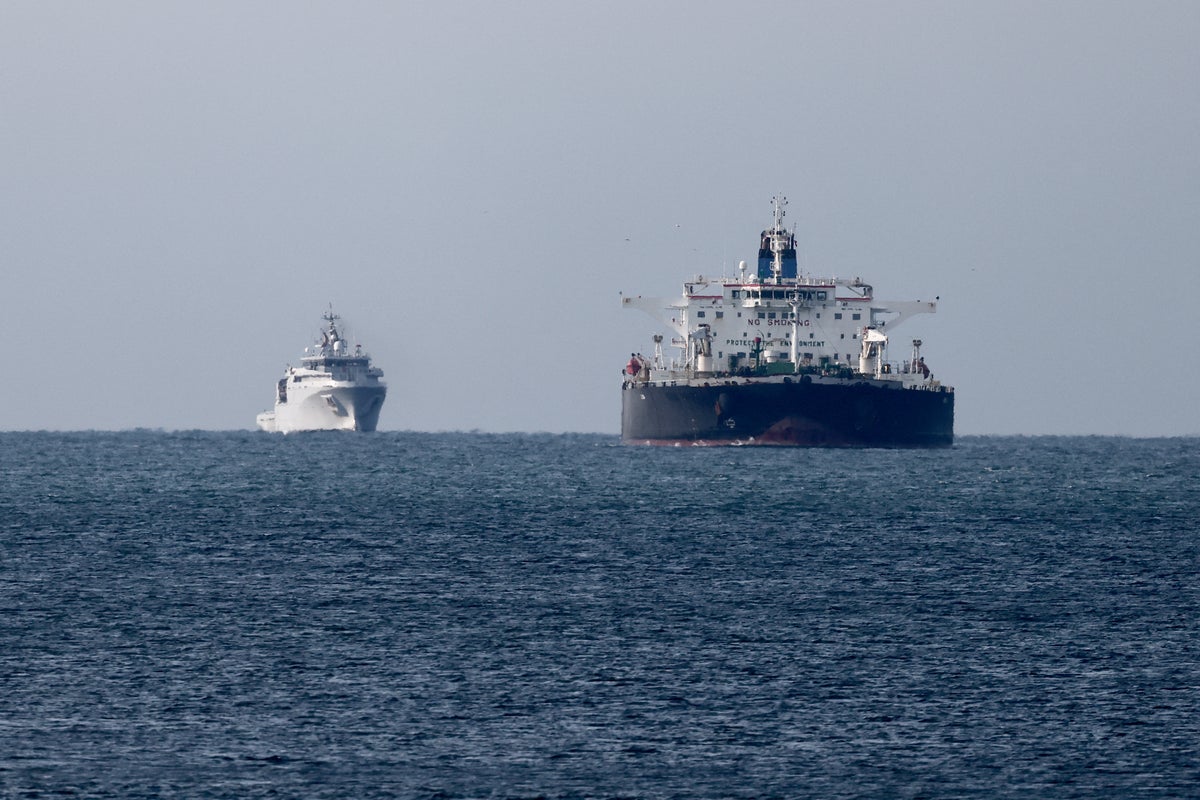
Contemporary conflicts in the Levant and the Red Sea have seen a revival of this strategic behavior among non-state actors and sovereign governments. Data from the International Institute for Strategic Studies suggests that logistical support networks are crossing traditional sectarian lines to oppose maritime blockades. This development has forced naval commanders to reassess their engagement rules in international waters.
The United Nations Security Council has held multiple sessions to address the proliferation of weapons systems through these informal networks. Ambassador Linda Thomas-Greenfield stated during a March session that the blurring of traditional alliance lines makes traditional sanctions more difficult to enforce. Intelligence sharing between unlikely partners has increased by 15 percent over the last two years, according to estimates provided by European security agencies.
Economic Coalitions and Resource Management
Trade ministries in Southeast Asia have also adopted similar tactics to negotiate better terms with larger global economies. By forming voting blocs in international trade organizations, smaller nations can exert pressure that would be impossible to achieve individually. The World Trade Organization has noted an increase in joint filings from countries that otherwise maintain minimal bilateral relations.
These economic alignments often prioritize resource security, such as access to rare earth minerals or semiconductor supply chains. Leaders from the Association of Southeast Asian Nations (ASEAN) have stated that their cooperation is purely functional. This functionalism allows for progress on specific infrastructure projects while leaving broader political disputes for future resolution.
Risks of Volatility in Tactical Alliances
Critics of this approach point to the inherent volatility that occurs when the "common enemy" changes status or policy. Research conducted by the Brookings Institution suggests that 60 percent of tactical alliances formed on this basis lead to heightened friction within five years of the initial agreement. The lack of shared values or institutional frameworks makes these partnerships susceptible to sudden collapse.
John Kirby, the White House National Security Communications Advisor, told reporters that the administration monitors these developments to ensure they do not undermine broader stability. He emphasized that temporary cooperation does not equate to a formal treaty or a lasting security guarantee. The risk of "mission creep" remains a persistent theme in internal State Department briefings regarding these unconventional ties.
Impact on Global Human Rights
Human rights organizations have expressed concern that these pragmatic alignments often involve ignoring the domestic records of new partners. Amnesty International reported that the focus on security parity frequently results in a de-prioritization of civil liberties. In several documented instances, the need for military cooperation has led to the waiving of standard oversight mechanisms.
The tension between security needs and ethical standards creates a recurring dilemma for democratic administrations. Official statements from the Swedish Ministry for Foreign Affairs indicate a preference for "values-based" diplomacy, even as regional pressures force more pragmatic choices. This friction often results in inconsistent policy application across different geographic theaters.
Technological Influence on Strategic Alignment
The rise of cyber warfare and digital espionage has created new avenues for nations to collaborate without formal treaties. Shared interests in defending critical infrastructure have led to the creation of ad-hoc cyber-defense cells between nations that do not share a land border. The Cybersecurity and Infrastructure Security Agency has documented an increase in cross-border technical cooperation to mitigate ransomware attacks from common threat actors.
These digital pacts are often less visible than traditional military exercises but carry significant weight in modern deterrence. Technical experts from private firms like Mandiant have observed patterns of intelligence sharing that suggest a high degree of coordination between supposedly distant capitals. The speed of digital threats necessitates this level of rapid, if temporary, cooperation.
Information Warfare and Shared Narratives
Beyond technical defense, states are increasingly coordinating their public messaging to counter the influence of a third party. This synchronization of narratives allows for a more potent impact on global public opinion. Analysts at the Atlantic Council’s Digital Forensic Research Lab have identified multiple instances where state-run media outlets in different regions echoed the same talking points within hours of each other.
Such coordination does not necessarily imply a deep-seated friendship between the states involved. Instead, it reflects a calculated decision to use collective communication channels to achieve a specific geopolitical result. Once the objective is met, the coordination typically dissipates as quickly as it began.
Future Outlook for Global Diplomacy
Looking ahead, the prevalence of these fluid alignments is expected to increase as the global order moves toward a multipolar structure. Foreign policy specialists at the Carnegie Endowment for International Peace are currently studying how these temporary pacts might eventually evolve into more permanent regional architectures. The upcoming G20 summit in 2026 is expected to serve as a testing ground for several of these burgeoning partnerships.
Observers will be watching for whether these tactical maneuvers can successfully transition into stable agreements or if they will continue to fuel regional unpredictability. The resolution of several ongoing border disputes may depend on whether the current participants view their mutual interests as lasting or merely situational. Diplomatic missions in the coming months will likely focus on formalizing the more successful of these arrangements to prevent sudden shifts in the balance of power.