Summer in Europe used to mean packed terraces, cold beer, and lazy afternoons under the sun. Not anymore. Right now, a brutal Europe heatwave is smashing temperature records and forcing governments into wartime-style crisis management. When France bans public drinking and Spain shuts down sporting events because the air is too dangerous to breathe, we are looking at a completely different reality.
If you think this is just another hot week, you are missing the bigger picture. Temperatures are soaring past 40°C across the continent, turning historic cities into literal ovens. This isn't just about melting asphalt. It is a massive public health emergency that is exposing how unprepared our infrastructure really is.
The Zero Tolerance Measures Saving Lives in France and Spain
Governments are dropping the usual gentle advice and shifting to hard mandates. The most striking example comes from France, where officials took the unprecedented step of banning alcohol consumption in areas placed under red alerts.
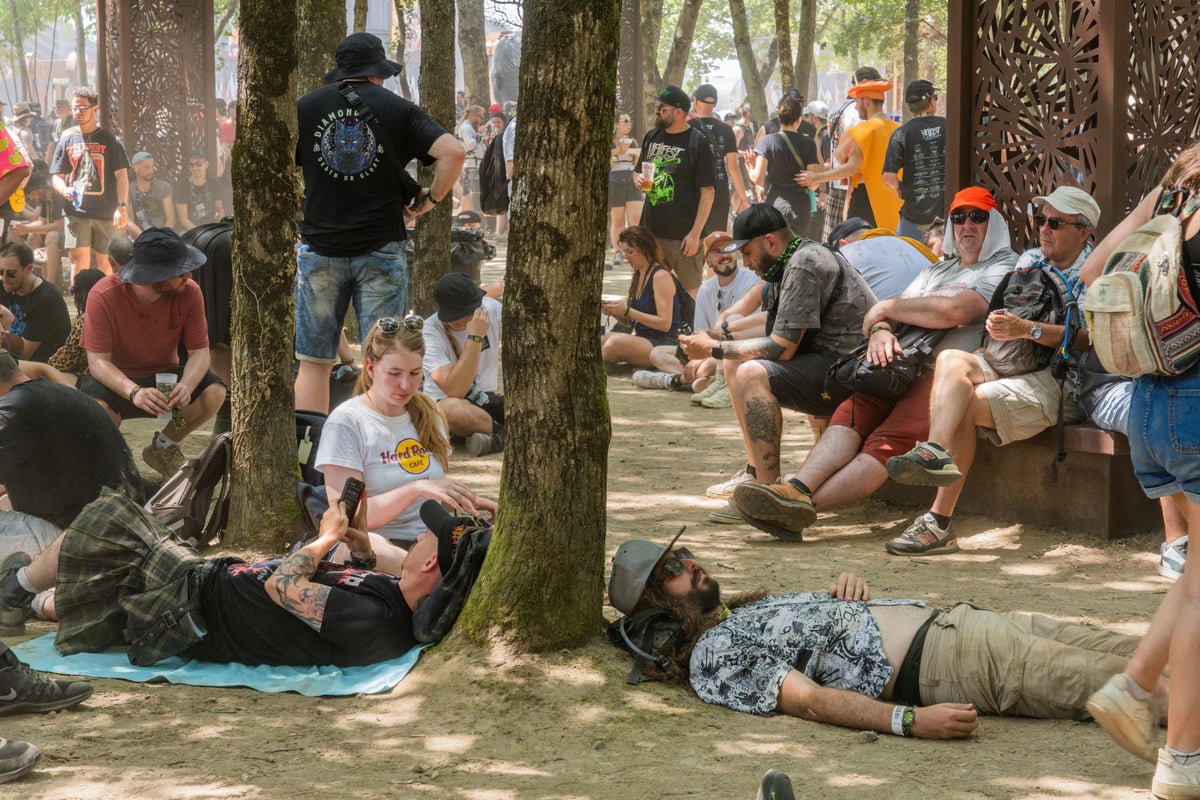
The timing could not have been worse. The heatwave peaked right alongside the annual Fête de la Musique, a nationwide summer solstice celebration where millions usually flood the streets to watch live bands and party until dawn. Instead of open-air raves, revellers faced strict bans on street drinking, especially along the banks of the Seine and Paris's Canal Saint-Martin.
It sounds extreme, but the logic is simple. Alcohol dehydrates you fast and clouds your judgment. In a massive heatwave, medical staff cannot afford to waste emergency room beds on people passing out from a mix of booze and 40°C heat. French Health Minister Stéphanie Rist made it clear on national television that the goal is preserving emergency services for the most vulnerable citizens.
Meanwhile, Spain is tackling a different kind of danger by cancelling outdoor sports and cultural events. What makes this specific Spanish heatwave terrifying is where it is hitting hardest. The state weather agency, Aemet, issued red warnings for the northern Basque region. This is normally the cooler, greener escape where locals go to avoid the baking southern sun.
When San Sebastián hits 40°C—more than double its historic June average—you know the climate system is short-circuiting. The northern river valleys are trapping heat, pushing temperatures toward 44°C and making any form of outdoor physical exertion a fast track to heatstroke.
Smashing Records and the Real Human Cost
This is not a theoretical problem for the future. The World Health Organisation's Europe office recently dropped a horrifying statistic: more than 200,000 people have died across Europe from heat-related causes over the last four years. Most of those deaths were entirely preventable.
In France, the tragedy is already unfolding. Three elderly people, aged between 80 and 95, died in the Bordeaux region within a single weekend due to heat-induced complications. Bordeaux is bracing for a staggering 42°C, and the national meteorological service, Météo-France, warns that this exceptional heatwave is dug in for the long haul.
Look at how the entire continent is skewing hot compared to the rest of the world. Europe is currently experiencing the most extreme temperature anomalies on Earth. The average high temperature is running 4.1°C above the 1961–1990 baseline. Compare that to Asia, which is sitting at 2°C above normal, or North America at 1.3°C. Europe is warming faster than almost anywhere else, and its historic architecture is actively working against it.
The Infrastructure Trap
European cities are beautiful. They are also beautifully designed to trap heat. The narrow streets, stone buildings, and distinct lack of air conditioning make urban centers incredibly dangerous during a prolonged heatwave.
Think about the average apartment in Paris or Berlin. They were built centuries ago with thick walls designed to keep heat in during freezing winters. Once that stone absorbs heat for three consecutive 40°C days, it stops acting as a shield and starts acting like a radiator. Nighttime brings zero relief. In places like Almería in southwestern Spain, temperatures are failing to drop below 25°C or even 30°C at night. Without a cooling-off period, the human body never gets a chance to recover, drastically increasing the risk of cardiovascular failure.
The logistical breakdown is already happening across several sectors:
- The Rail Network: Steel tracks expand under intense heat, risking catastrophic derailments. France’s national rail authority has cancelled scores of trains and deployed thousands of extra staff to monitor buckling tracks and melting electrical overhead lines.
- The Energy Sector: France is forcing tight surveillance on water supplies used to cool its nuclear reactors. When river temperatures get too high, power plants have to throttle production to avoid ecological disaster downstream, cutting energy supplies just when everyone needs fans and cooling units.
- Education: Nearly 2,700 schools across France are preparing for emergency closures or altering schedules because old classrooms are turning into unlivable sweatboxes.
The Deadly Illusion of Cool Water
When the air hits 40°C, the first instinct for everyone is to find water. But the combination of desperation and extreme heat is proving lethal.
French media reported that four children drowned in a single weekend while trying to find relief from the scorching sun. In Germany, a man drowned in the Rhine River, and several others went missing after getting swept away by strong currents.
People are taking massive risks. In Paris, crowds are jumping off bridges into the murky waters of the Canal Saint-Martin despite police warnings. It highlights a desperate psychological reality: when you are hot enough, you stop caring about water quality or safety signs. You just want the burning to stop.
The UK is bracing for its own share of this crisis. The Met Office has issued extreme heat alerts, warning of serious illness and a population-wide adverse health effect. Memory runs deep here. Nobody wants a repeat of past summers where water-safety incidents skyrocketed, claiming the lives of dozens of teenagers who underestimated open water currents while trying to cool down.
Shifting From Response to Adaptation
We have to stop treating these heatwaves like surprise weather events. They are the new baseline. French Prime Minister Sébastien Lecornu recently convened emergency meetings demanding that ministers rethink how the country operates. The conversation is finally moving toward long-term adaptation, including retrofitting public buildings with air conditioning—a luxury that was once dismissed as unnecessary in northern Europe.
We also see changes in labor laws. In Madrid, authorities are aggressively monitoring companies to ensure they comply with laws allowing outdoor workers to reduce or shift their hours during orange and red weather alerts. If you are a construction worker or a street cleaner, forcing you to work at 2 p.m. in 42°C heat isn't just cruel; it's corporate manslaughter.
How to Actually Survive a High-Alert Heatwave
Forget the generic advice about drinking water. When a red alert hits your city, you need a survival strategy.
Block the Heat Early
Do not open your windows during the day. It sounds counterintuitive, but if the air outside is 40°C and your indoor air is 28°C, opening the window just lets the furnace in. Keep your blinds, curtains, and windows shut tight the moment the sun hits your building. Open them only late at night or early in the morning when the outside temperature drops below the indoor temperature.
Re-engineer Your Hydration
Water isn't enough if you are sweating profusely. You are losing essential salts and electrolytes. Mix in sports drinks, or make a simple oral rehydration solution at home with water, a pinch of salt, and sugar. Avoid caffeine and absolutely avoid alcohol. France didn't ban street drinking just to ruin the Fête de la Musique; they did it because alcohol dilates your blood vessels and makes your internal thermostat malfunction.
Identify Your Safe Zone
If your home does not have air conditioning, identify public spaces that do. Supermarkets, libraries, shopping malls, and museums are your friends. Spend the hottest hours of the day (typically between 12 p.m. and 4 p.m.) sitting in an air-conditioned space. Even a few hours of relief can reset your core temperature and keep you out of the hospital.
Check the Vulnerable
If you have elderly neighbors, relatives, or friends living alone, check on them twice a day. They often lose their sense of thirst and might not realize how dangerously hot their living space has become. The 2003 European heatwave killed 15,000 older people in France alone because they were isolated. Don't let history repeat itself in your neighborhood.
The reality is simple. The European summer is changing, and our old habits don't work anymore. Stay inside, keep the windows blocked, look out for your community, and treat a red weather warning with the same respect you would give a winter blizzard.