When Russia marched into Ukraine in early 2022, the battlefield wasn't just physical. It was financial, legal, and deeply tied to the infrastructure keeping millions of Europeans warm. If you think the energy crisis was just about supply chains and market panic, think again. It was a targeted effort to freeze America's biggest continental ally into submission.
German federal prosecutors launched aggressive police raids in Berlin and Frankfurt. They are hunting down a suspected network behind a massive, shadow-company maneuver from 2022 designed to completely wreck Germany's gas supply.
This isn't about physical bombs. It's about corporate sabotage, and the implications stretch far past Europe.
The Opaque Maneuver That Shocked Berlin
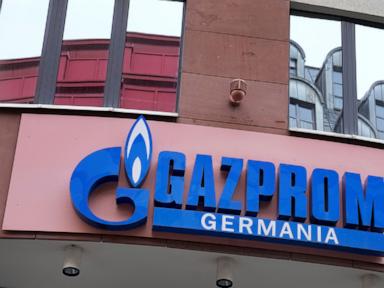
Here is what went down. Just weeks after the 2022 invasion, the Russian state-controlled energy giant Gazprom suddenly announced it was pulling out of Gazprom Germania. This subsidiary wasn't some minor branch office. It controlled roughly 25% of Germany's natural gas storage capacity. It was the backbone of national energy security.
Suddenly, an obscure Moscow-based company with zero track record in the energy industry popped up as the new owner. They immediately ordered the complete liquidation of the firm.
If that liquidation had gone through, Germany's gas network would have collapsed overnight during one of the most volatile geopolitical moments in modern history.
- The Target: Gazprom Germania (holding a quarter of Germany's gas storage).
- The Tactic: Stealth sale to a shell company followed by a sudden shutdown order.
- The Objective: Force Germany out of its support for Ukraine by cutting off its winter heating.
German authorities stepped in, blocking the sale and putting a government agency in charge. They later fully nationalized the asset, turning it into what is now known as Securing Energy for Europe GmbH.
Behind the Sudden Police Raids
You might wonder why investigators are kicking down doors now, years later. The wheels of European justice turn slowly, but they grind incredibly fine.
Federal prosecutors targeted the Berlin home of a Russian national suspected of acting as an accessory to constitutional sabotage and violating foreign trade investment laws. Police also swept through the offices of an unnamed firm in Frankfurt.
"There is a strong suspicion that the sale and sudden liquidation were explicitly intended to impair the gas supply in Germany," prosecutors stated directly.
While no arrests were made, the data seized during these raids will map out exactly how Russia uses corporate entities to launch hybrid warfare. The suspect is believed to have worked directly to execute that ruinous liquidation order from behind the scenes.
The Bigger Hybrid Warfare Picture
The corporate maneuvering was only part of the strategy. Months after Berlin blocked the Gazprom asset liquidation, Moscow cut off the remaining pipeline gas supplies entirely. Not long after that, the Nord Stream undersea pipelines were blown up in the Baltic Sea.
Germany has historically been vulnerable due to its heavy reliance on cheap Russian fossil fuels. That vulnerability made it the prime target for aggressive economic warfare.
To counter this, Germany opened its Joint Center for Countering Hybrid Threats to coordinate state responses to espionage, fake news campaigns, and industrial sabotage.
What This Means for Global Businesses
If you manage logistics, supply chains, or infrastructure investments, take this as a major warning. Geopolitical risk is no longer just about border conflicts. It lives inside your cap tables, corporate registries, and unexpected legal directives.
- Vetting is Non-Negotiable: Knowing your ultimate beneficial owner (UBO) matters immensely. Shell companies are actively weaponized.
- Government Intervention is Rising: Expect Western nations to use national security laws to block corporate takeovers and seize critical infrastructure assets without warning.
- Resilience Over Cost: Relying on a single hostile foreign state for core operational inputs is a massive liability.
To protect your organization, audit your entire supply chain for exposure to state-backed entities. Review your compliance frameworks to ensure you aren't inadvertently doing business with shell operations designed to evade sanctions. The era of separating global corporate business from geopolitics is completely over.