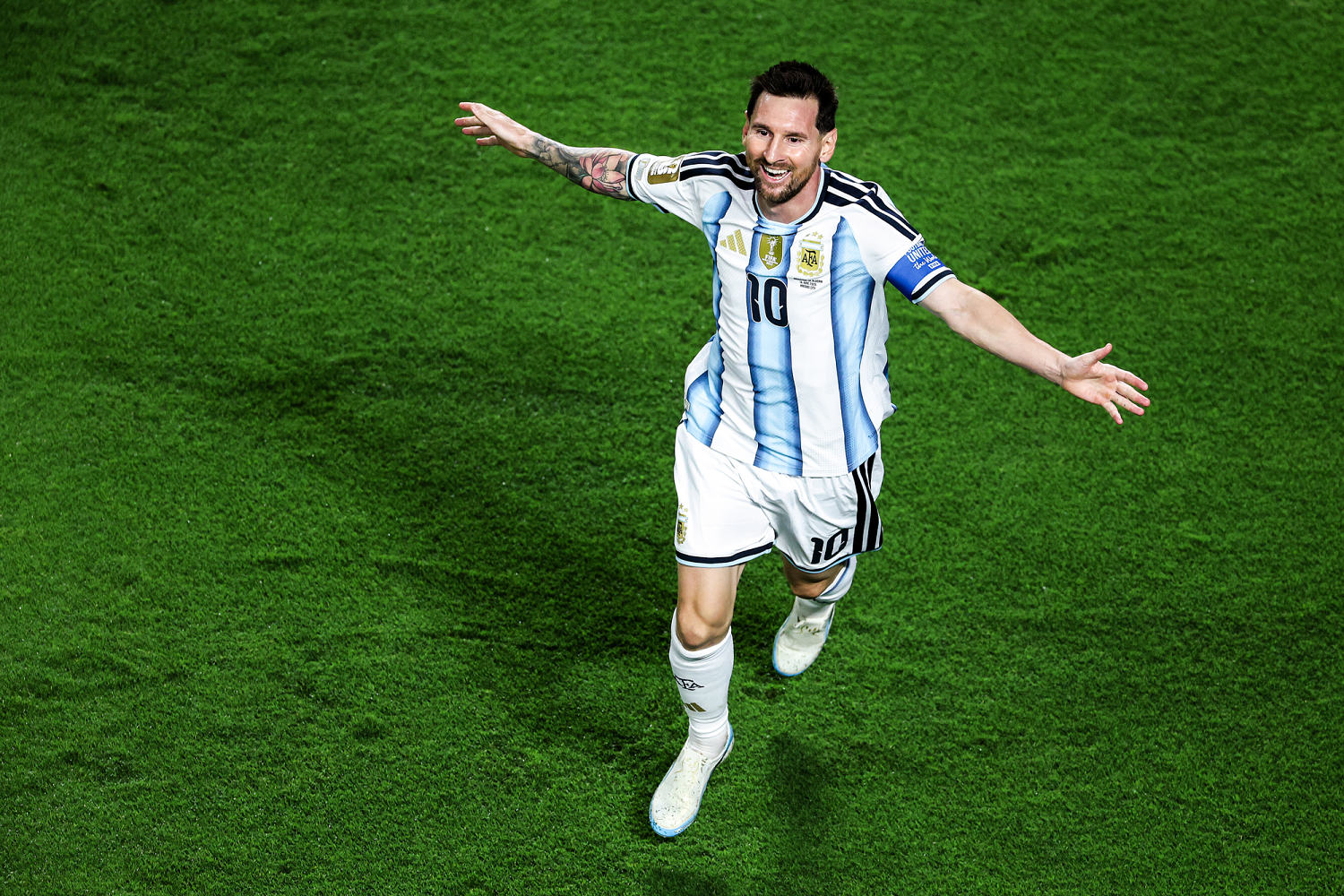
Walk through the streets of Dhaka during a World Cup month and you will think you stumbled into a neighborhood in Buenos Aires. Giant flags drape from concrete apartment balconies. Rickshaws sport hand-painted decals of Lionel Messi. Entire buildings get repainted in sky-blue and white stripes.
It makes no geographical sense. Bangladesh is a South Asian nation separated from Argentina by more than fifteen thousand kilometers of land and ocean. Cricket is the official king of domestic sports here. Yet, when the World Cup kicks off, a massive chunk of this nation of 170 million people pivots into an army of fanatical Argentinian football supporters.
The phenomenon goes way deeper than modern social media trends or a simple appreciation for beautiful football. Bangladesh backing Argentina in the World Cup is a story rooted in colonial trauma, the timing of television technology, and a collective thirst for poetic justice on the global stage.
The British colonial shadow that built an unexpected football alliance
You cannot understand this obsession without looking at the scars left by the British Empire. The Indian subcontinent endured nearly two centuries of British colonial rule, a period marked by economic exploitation and systemic oppression. The memory of the 1943 Bengal famine, which caused the deaths of millions, remains a dark point in local history.
Anti-British sentiment did not just vanish when colonial rule ended. It lingered in the cultural psyche, waiting for an outlet.
Enter the 1986 World Cup in Mexico.
Just four years prior, Britain had defeated Argentina in the brief, bloody Falklands War. When Argentina faced England in the 1986 quarter-final, the match carried an intense geopolitical charge. For the people of Bangladesh, watching from thousands of miles away, the narrative was instantly relatable. They did not see a random football match. They saw an oppressed nation taking on the old imperial bully.
Diego Maradona became the instrument of that vengeance. When he scored his infamous "Hand of God" goal, followed minutes later by the magnificent solo run that left the English defense in tatters, Bangladeshis celebrated as if they had won their own independence all over again.
How Diego Maradona became a Bengali folk hero
The timing of that 1986 tournament was everything. The mid-1980s marked the era when color televisions began entering middle-class households across Bangladesh. Bangladesh Television, the state broadcaster, showed the matches live.
For a generation of young viewers, Maradona was the first global superstar they ever saw in vivid color. He was small, feisty, flawed, and utterly brilliant. He looked more like them than the towering European players did. He came from poverty, defied the establishment, and conquered the world through sheer genius.
The love became an obsession. When Maradona was banned from the 1994 World Cup for a failed drug test, fans in Dhaka took to the streets in protest. Local newspapers ran mourning editions. That intense emotional investment did not fade when Maradona retired. Instead, it became a family heirloom passed down through generations.
Parents who grew up idolizing Maradona raised their children to support Argentina. By the time Lionel Messi emerged on the scene in the late 2000s, the foundation was already solid. Messi did not have to earn Bangladesh. The country was already waiting for him.
The generational leap to Lionel Messi and modern fan culture
Today, that fandom has grown into an organized subculture. The passion manifests in ways that look completely terrifying to outsiders.
During the 2022 World Cup in Qatar, giant screens were erected at university campuses and public intersections across Bangladesh. Tens of thousands of fans gathered at 2:00 AM to watch group-stage matches. When Argentina scored, the roar from Dhaka could be heard miles away.
Local rivalries within Bangladesh are fierce. The country is split primarily into two camps: Argentina fans and Brazil fans. The Brazil fans trace their roots back to Pelé, but the Argentinian faction is arguably louder and more fiercely defensive. Arguments over who is better frequently lead to neighborhood brawls, massive processions, and friendly but intense community bets involving giant feasts of local biryani.
It is a pure, unadulterated form of fandom. These fans have no ancestral ties to South America. They have never visited Buenos Aires. They simply chose a flag that represented defiance, magic, and a refusal to lose to the old football elite.
When Buenos Aires finally noticed Dhaka
For decades, this massive fanbase existed in a vacuum. Argentina barely knew Bangladesh existed. That changed completely during the 2022 tournament.
Videos of Bangladeshi fans screaming for Messi went viral on social media platforms. The official Twitter account for the Argentine national team noticed and posted a public thank you to the people of Bangladesh. Professional Argentinian journalists started traveling to Dhaka to document the madness.
The mutual admiration escalated fast. Argentine fans, touched by the long-distance love, created social media groups to support the Bangladesh national cricket team.
In early 2023, Argentina took the ultimate diplomatic step. They officially reopened their embassy in Dhaka, which had been closed since 1978. The Argentine foreign minister traveled to Bangladesh to cut the ribbon, explicitly citing the incredible love shown by Bangladeshi football fans as a driving force behind the renewed diplomatic ties. It is a rare example of global geopolitics being reshaped entirely by sports fandom.
How to experience this unique sports culture firsthand
If you want to see this phenomenon with your own eyes, you need to plan ahead for the next major international tournament.
- Timing is everything: Do not just visit during the World Cup. The Copa América also brings out massive crowds, though the World Cup remains the peak of the madness.
- Head to the universities: The Dhaka University campus, particularly the area around the Teacher-Student Centre, is ground zero for massive public screenings. The energy here is electric and rivals any stadium atmosphere.
- Look up at the roofs: Travel through old Dhaka or residential areas like Mirpur to see the flag wars. Neighbors actively try to outdo each other with the sheer length of their flags.
- Talk to the locals: Ask any rickshaw driver or tea-stall owner about Maradona or Messi. You will get a passionate, thirty-minute lecture on football history, delivered with absolute conviction.
The bond between these two nations proves that sports do not exist in a vacuum. Bangladesh does not just watch Argentina play football. They live through every pass, every goal, and every trophy because, to them, that blue and white shirt represents a historical triumph of the global south.