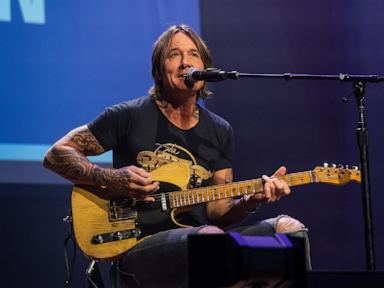
Record labels and independent distributors are adjusting their recruitment strategies following a 15% increase in self-published content during the first quarter of 2026. Data released by the International Federation of the Phonographic Industry (IFPI) indicates that solo creators now command a larger share of streaming revenue than at any point in the last decade. This movement reflects a growing sentiment among performers who adopt the mantra I'm Different Yeah I'm Different to signal their departure from traditional studio contracts and commercial production norms.
The shift comes as digital service providers (DSPs) report a surge in non-traditional genre classifications. Spotify Technology SA reported in its most recent quarterly filing that user-generated playlists are increasingly favoring "boundary-blurring" tracks over major label priority releases. This trend has forced a reassessment of how talent is scouted and managed within the global entertainment ecosystem.
Rising Independence and the I'm Different Yeah I'm Different Movement
The rise of the independent sector has been fueled by the accessibility of high-quality recording software and direct-to-fan distribution platforms. According to a report by MIDiA Research, independent artists generated 1.2 billion dollars in revenue in 2025, representing a 7% year-on-year growth. Analysts at the firm noted that the current generation of musicians prioritizes creative control over the large advances typically offered by the "Big Three" record labels.
Technological Drivers of Artistic Autonomy
Lower hardware costs have allowed musicians to produce radio-quality audio from home environments. The Recording Academy noted in a recent technical brief that the gap between professional studio output and home-recorded masters has narrowed significantly due to artificial intelligence-assisted mixing tools. This technical parity enables artists to maintain a distinct identity without the financial burden of hourly studio fees.
Distribution services like DistroKid and UnitedMasters have also reported record sign-up numbers for the current fiscal year. These platforms allow creators to retain 100% of their royalties in exchange for a flat annual fee. This model has dismantled the gatekeeping structures that previously dictated which voices reached a global audience.
Corporate Response to Market Fragmentation
Major entertainment conglomerates are pivoting toward "partnership" deals rather than traditional 360-degree contracts to remain competitive. Universal Music Group Chairman Lucian Grainge stated during an earnings call that the company is focusing on providing specialized services like global marketing and physical distribution for established independent brands. This approach acknowledges that many modern performers prefer to operate their own mini-labels.
Changes in A&R Strategies
Artist and Repertoire (A&R) executives are now utilizing data analytics to identify viral potential before initiating contact with new talent. Warner Music Group has reportedly integrated social media sentiment analysis into its scouting workflow to track the I'm Different Yeah I'm Different philosophy as it manifests in regional subcultures. By monitoring specific hashtags and engagement metrics, labels attempt to predict the next breakthrough act before they gain mainstream momentum.
Data from Soundcharts shows that artists who build an organic following on short-form video platforms have a 40% higher retention rate among listeners compared to those launched through traditional media blitzes. This shift has led to a reduction in television-based talent competitions. Industry veterans suggest that authenticity, rather than polished presentation, is the primary driver of modern consumer loyalty.
Economic Implications for the Streaming Economy
The dilution of market share among a larger pool of creators has sparked debates regarding streaming payout models. The Union of Musicians and Allied Workers (UMAW) has argued that the current pro-rata system unfairly benefits top-tier stars while leaving niche creators with negligible earnings. These advocates are pushing for user-centric payment models where a subscriber's monthly fee goes directly to the specific artists they stream.
Legal Challenges in Rights Management
As more artists retain their master recording rights, the legal landscape of the music industry has become increasingly complex. Intellectual property attorney Sarah Bloom of the firm Reed Smith noted that the rise of independent catalogs complicates the licensing process for film and television sync deals. Music supervisors must now negotiate with hundreds of individual rights holders rather than a few central clearance houses.
This fragmentation has led to the emergence of specialized rights management firms that act as intermediaries for independent creators. These agencies utilize blockchain technology to track usage and ensure transparent royalty distribution. The World Intellectual Property Organization has emphasized the need for standardized digital identifiers to prevent revenue leakage in this decentralized environment.
Criticism of the Independent Model
Despite the narrative of empowerment, some industry observers warn that the lack of institutional support can lead to rapid burnout. Former Sony Music executive Michael Cohen stated that without the infrastructure of a major label, many artists struggle to manage the administrative burdens of a global career. Marketing, legal compliance, and tour logistics often overwhelm solo operations that lack dedicated staff.
The Problem of Discoverability
With over 100,000 tracks uploaded to streaming platforms every day, being "different" is often not enough to ensure a sustainable career. Market saturation means that even high-quality music can disappear into the digital noise without significant financial backing for promotion. Independent creators often find themselves spending more time on social media management than on their actual craft.
Research from the University of Southern California’s Annenberg School for Communication found that the "middle class" of musicians is shrinking. While a small percentage of independent acts achieve massive success, the majority earn less than 1,000 dollars annually from streaming. This economic reality complicates the idealized image of the self-reliant creator.
Global Impact and Cultural Divergence
The trend toward individualistic branding is not limited to Western markets. In South Korea, the K-pop industry is seeing a rise in "soloist" departures from major idol factories as performers seek to establish their own creative agencies. This global movement suggests a fundamental change in how the public perceives the value of an artist's personal brand versus their corporate affiliation.
Regional Case Studies in Autonomy
In West Africa, the Afrobeats scene has long relied on independent structures to reach international audiences. Nigerian artists have utilized platforms like Audiomack to bypass traditional radio hurdles, creating a blueprint that artists in other regions are now following. This grassroots success has proven that localized sounds can achieve global dominance without initial Western label intervention.
The European market has seen a similar rise in independent "boutique" labels that focus on specific electronic subgenres. These organizations prioritize community building over mass-market appeal, fostering a dedicated listener base that is resistant to mainstream trends. This strategy has proven resilient against the fluctuations of the broader economy.
Future Projections for the Music Landscape
Industry analysts predict that the next five years will see a further consolidation of service-based companies that cater exclusively to independent talent. As the I'm Different Yeah I'm Different ethos becomes the standard for new entrants, the role of the record label may transform entirely into a high-end consultancy. Technology will continue to play a central role in how these relationships are structured.
Legislators in the United States and the European Union are expected to review digital copyright laws to better protect independent creators in the age of generative AI. The focus will likely remain on ensuring that the human element of music remains commercially viable. Stakeholders will be watching the next round of streaming royalty negotiations to see if the financial architecture of the industry finally aligns with its decentralized reality.
Forward-looking statements from the RIAA suggest that the industry is entering a "post-label" era where the individual artist functions as a standalone corporate entity. This transition will require new educational frameworks to prepare musicians for the business realities of their independence. The ongoing tension between creative freedom and financial stability will remain the defining narrative of the music business through the end of the decade.