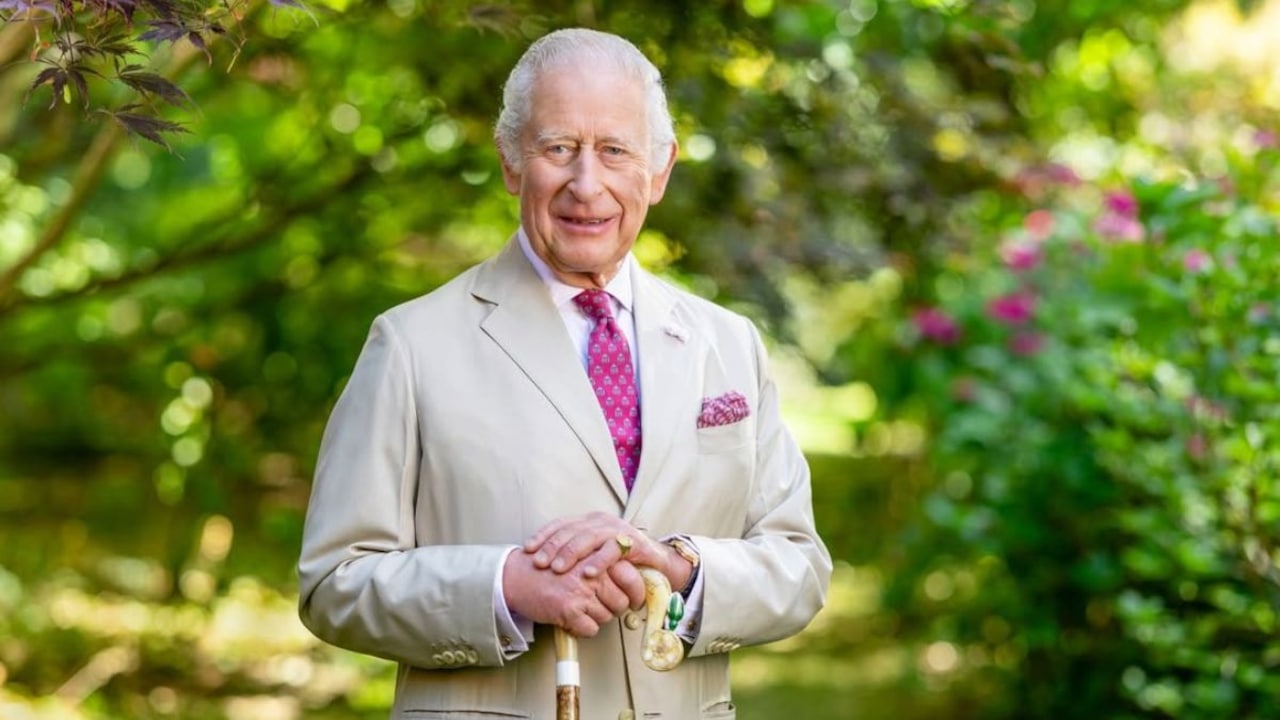
Buckingham Palace just upended decades of royal secrecy with a single announcement. Next Thursday, King Charles will become the first British monarch in history to publicly disclose his personal tax bill.
It is a massive shift. For generations, the inner workings of royal wealth stayed locked away behind palace walls, protected by ancient legal exemptions and a culture of absolute privacy. This new move changes the playbook completely. By laying bare his personal financial relationship with the state, Charles is trying to steer the monarchy through an era of deep skepticism.
The decision applies to the 2024-25 financial year, with the audited numbers for the following year slated for release down the line. It comes at a moment when the public is looking at institutional wealth with a magnifying glass. People want to know where the money goes, how it accumulates, and whether the rules that apply to regular citizens apply to the family sitting on the throne.
Here is what is really happening behind the scenes, why the setup exists in the first place, and what this unprecedented disclosure means for the future of the British Crown.
The Secret World of Royal Income Streams
To understand why a public tax bill is such a big deal, you have to untangle the messy web of royal funding. Most people assume the King just gets a massive check from the government every year and calls it a day. That is only a fraction of the picture.
Royal money comes from three distinct buckets. The first is public, the second is semi-private, and the third is entirely personal.
First, there is the Sovereign Grant. This is the official funding mechanism provided by the UK Treasury to cover the King's official duties and the upkeep of occupied palaces like Buckingham Palace and Windsor Castle. In the 2025-26 tax year, this grant sat at a staggering £132 million. The government calculates this figure based on a percentage of the profits generated by the Crown Estate, a massive portfolio of land and properties held by the monarch in right of the Crown. The King does not own the Crown Estate personally. He cannot sell a piece of it to buy a yacht, and the profits go straight to the government treasury before a portion gets kicked back to the household.
Then you have the Privy Purse, which is funded by the Duchy of Lancaster. This is a private estate of land, properties, and investments held in trust for the sovereign since the Middle Ages. In the 2024-25 financial year, it handed Charles an annual income of £26.8 million. The King uses this money to cover official expenses that the Sovereign Grant does not touch, often including the costs of other working royals who do not get direct public funding.
Finally, there is the King's actual personal wealth. This includes private investment portfolios, trading profits, savings, and his privately owned hereditary estates like Balmoral in Scotland and Sandringham in Norfolk. The income from these personal assets is exactly what the public will see next week.
The Legal Loophole and the Voluntary Solution
Here is a fact that drives many critics wild. By law, the British monarch is completely exempt from paying income tax, capital gains tax, and inheritance tax.
The legal logic is ancient. The state levies taxes in the name of the Crown, so the Crown technically cannot tax itself. When Queen Elizabeth II inherited her massive fortune from the Queen Mother, she did not pay a single penny of inheritance tax. When Charles inherited Balmoral and Sandringham, the same exemption applied. It prevented the royal family's massive wealth from being broken up over generations by death duties that hit regular families hard.
Public anger over this arrangement boiled over in the early 1990s. The country was facing an economic downturn, Windsor Castle suffered a devastating fire, and the public balked at the idea of foot the bill for repairs while the richest family in the country paid no income tax.
To save face and protect the institution, Queen Elizabeth II signed a non-statutory Memorandum of Understanding on Royal Taxation in 1993. Under this agreement, the monarch voluntarily agreed to pay income tax and capital gains tax at the standard statutory rates on private income and the Duchy of Lancaster profits.
Charles is continuing that voluntary tradition, but he is taking it a step further. Paying the tax is one thing. Showing the receipt to the world is another.
The Strategy Behind Total Disclosure
Why pull back the curtain now? The answer lies in survival.
The royal family has faced a barrage of bad press regarding its finances and behavior over the last few years. Scandals involving Prince Andrew brought intense scrutiny to how lesser-known royals fund their lifestyles. Just recently, government auditors revealed that Andrew had been pulling in a private income from subletting cottages while paying a tiny, symbolic rent for a massive mansion for over twenty years.
That kind of revelation makes people angry. When regular families are struggling with inflation and high energy bills, stories of royal real estate perks look terrible.
Charles knows the monarchy only exists because of public consent. If the public decides the institution is a corrupt, secretive drain on resources, the foundation cracks. Palace officials openly stated that the goal of this tax disclosure is to improve clarity and accessibility. They want to show that the King is a modern, accountable head of state who pays his fair share.
The Silent Pressure on Prince William
The King's move creates an interesting, slightly awkward dynamic with his heir.
Prince William handles his finances differently. When Charles became King, William inherited the Duchy of Cornwall. This is another massive, billion-pound hereditary estate that includes everything from farmland to commercial properties and even Dartmoor prison. The sole purpose of the Duchy of Cornwall is to provide an independent income for the heir to the throne.
In the last financial year, William received nearly £23 million from the duchy. Like his father, William voluntarily pays the highest rate of income tax on this income after deducting official business costs.
William does not disclose the actual amount he pays.
The palace defended William's privacy by pointing out that Charles used to release his tax details when he was the Prince of Wales, so this is simply Charles carrying his personal habit into his new role as sovereign. By making this historic move, Charles has set a new standard for transparency. It makes William's private approach look much more defensive by comparison. Critics are already asking why the heir to the throne should keep his tax bill a secret if the King is willing to publish his.
Real Transparency or a Masterful PR Shield
We should not trick ourselves into thinking this disclosure will reveal every single dollar the royal family controls. The published tax bill will focus strictly on the King's personal income and capital gains. It will not show the full value of his hidden offshore investments, if he has them, nor will it break down the exact valuation of the historic art pieces, jewels, and artifacts passed down through the family.
The Royal Collection and the Crown Jewels are held in trust for the nation. Charles cannot sell them, so they are not part of his personal tax equation.
The disclosure serves as a brilliant political shield. By volunteering his personal tax data, Charles can steer the conversation. He can point to the document and say he is transparent, all while keeping the massive, structural tax exemptions of the monarchy fully intact. The biggest perk of all—the total exemption from inheritance tax—remains completely untouched. If the public focuses on his annual income tax bill, they might stop looking so closely at the millions saved every time a monarch passes away.
Watching the Imperial Ledger Move Forward
The annual royal financial accounts land on Thursday. When they do, the media will dissect every single line item of the King's personal tax contribution.
If you want to track how this play develops, keep your eyes on a few specific areas over the coming days.
First, look for the ratio between the King's public funding and his private tax payment. Seeing the raw numbers will give the public a clear sense of just how self-sufficient the monarch's private operations actually are compared to the £132 million Sovereign Grant.
Second, watch the public reaction to Prince William's continued financial privacy. The contrast between a transparent King and a guarded Prince of Wales will likely spark intense debate among royal commentators and anti-monarchy groups alike.
Third, follow the upcoming legislative changes. The UK government already plans to introduce a new Sovereign Grant Bill to reset and lower the public grant once the massive, long-running renovations at Buckingham Palace wrap up. The new tax data will give politicians and reformers the exact ammunition they need to argue over how much public money the royal household truly requires.
The era of the completely mysterious royal fortune is ending. Charles is making a massive gamble that transparency will win him respect, but opening the books means you can never truly close them again.