Kroger just pulled off a move that nobody saw coming, and honestly, it's a brilliant tactical pivot.
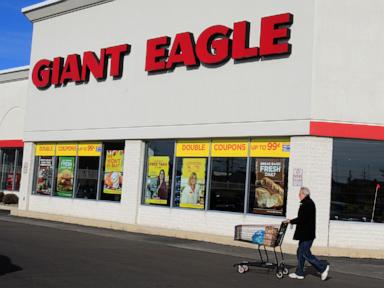
More than a year after its massive $25 billion Albertsons merger collapsed under intense regulatory fire, the Cincinnati-based grocery giant is going smaller. Kroger announced today it's buying family-owned regional grocer and pharmacy retailer Giant Eagle in a deal valued at $1.65 billion. Don't miss our recent post on this related article.
If you're wondering why Kroger is shelling out over a billion dollars for a regional chain instead of licking its wounds from the Albertsons defeat, the answer is simple. Scale matters, but smart scale matters more.
Here is exactly what this acquisition means for shoppers, the grocery industry, and Kroger's battle against Walmart. To read more about the history here, The Motley Fool offers an in-depth breakdown.
The Dollars and Cents Behind the Buyout
Let's look at the actual numbers because they tell a fascinating story about what Kroger is actually buying here.
The total transaction value sits at $1.65 billion. Kroger is paying $1.25 billion in cash and taking on about $400 million of Giant Eagle's outstanding debt and liabilities. For that price, Kroger absorbs a highly dense, incredibly loyal regional footprint. Pittsburgh-based Giant Eagle brings roughly $9 billion in annual sales, 197 supermarkets, and 11 standalone pharmacies.
These stores span a very specific chunk of the map: northern Ohio, western Pennsylvania, West Virginia, Maryland, and Indiana.
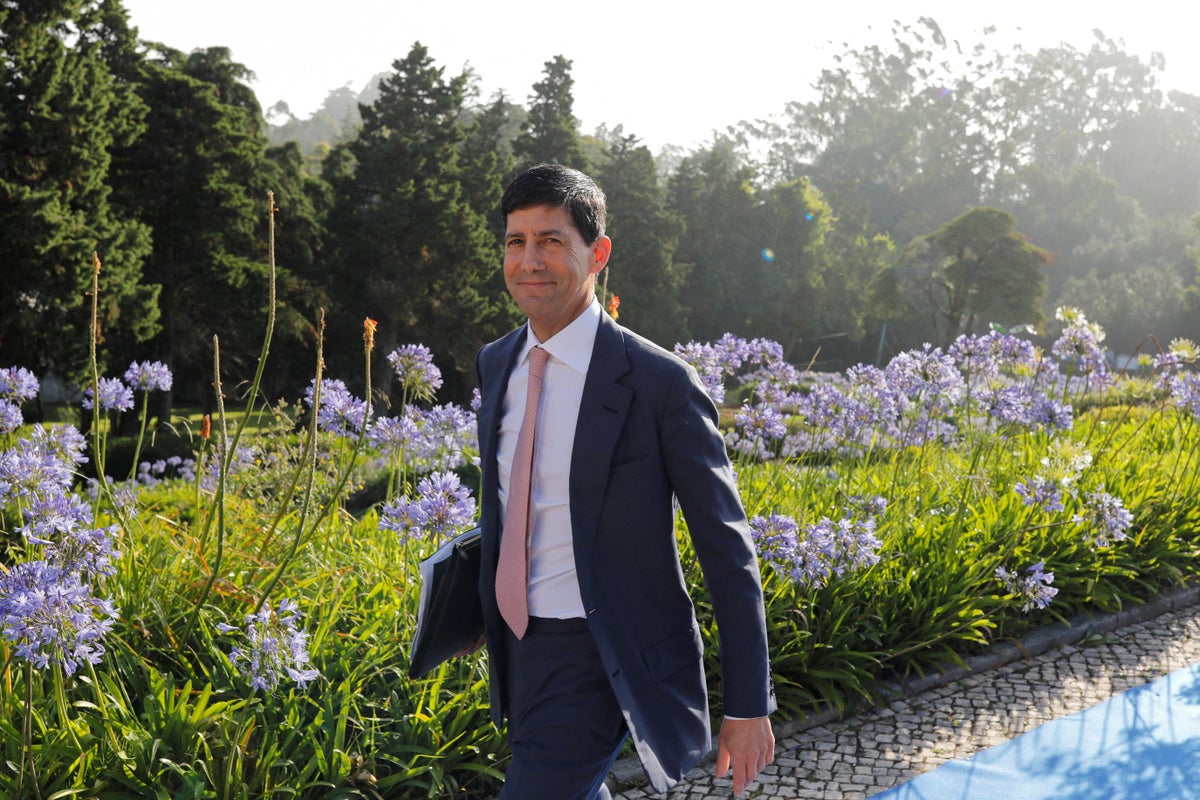
What makes this a genius move for Kroger's new CEO, Greg Foran, is that it gives the company immediate entry into Pennsylvania, a state where Kroger historically hasn't had a real retail presence. Giant Eagle practically owns western Pennsylvania. Instead of building stores from scratch and fighting a bloody turf war, Kroger just bought the home team.
Why Regulators Won't Kill This One
When Kroger tried to swallow Albertsons, the Federal Trade Commission jumped down its throat. Why? Because their store maps overlapped constantly. It would've crushed local competition in dozens of major markets.
Giant Eagle is a totally different animal. There is very little overlap between where Kroger operates and where Giant Eagle has its strongholds.
While the companies already admitted they expect to make "limited" store divestitures to satisfy the regulators, this isn't going to face the roadblocks the Albertsons deal did. It's consolidation in adjacent markets, not a monopoly play in the same town. Industry experts expect the transaction to close smoothly in 2027.
It's a Tech and Loyalty Play, Not Just a Store Count
If you think Kroger is just buying brick-and-mortar real estate, you're missing the real value here. Grocery margins are razor-thin. You don't get rich just selling cans of soup. You get rich on data, private labels, and retail media networks.
Giant Eagle is a well-run regional chain with a beloved loyalty program and a massive private-label portfolio. Kroger plans to plug Giant Eagle directly into its Kroger Precision Marketing engine. By doing that, Kroger converts Giant Eagle's mid-Atlantic audience into highly profitable digital advertising dollars.
Foran, who came over from Walmart earlier this year, knows that building scale is the only way to keep prices low enough to survive. Giant Eagle gives Kroger $9 billion more in buying power. That means Kroger can negotiate much better prices with consumer packaged goods companies, pass some savings to the consumer, and keep the rest as margin.
Interestingly, this deal was reportedly in the works years ago. Giant Eagle's founding family was looking to sell right before the pandemic hit in 2020. They waited, lost a bit of market share to discount players, and even sold off their GetGo convenience store chain to Circle K owner Alimentation Couche-Tard for $1.57 billion last summer to streamline operations. Kroger essentially caught them at the right time for a reasonable price.
What Happens Next for Shoppers and Workers
If you're a Giant Eagle shopper in Pittsburgh or Cleveland, don't expect your store banner to change overnight. Kroger likes to keep regional brand names alive when they have strong community trust—think Ralphs or Fred Meyer. For now, the stores will keep operating under the Giant Eagle name.
If you're an employee, Kroger and Giant Eagle executives have stated that workers are expected to transition over under Kroger's ownership, though the exact details of the limited store closures will emerge during the regulatory review over the next year.
To prepare for what's coming, here are your next strategic steps if you're connected to this deal:
- For Giant Eagle Shoppers: Keep accumulation of your loyalty points active. Kroger will eventually merge Giant Eagle's system into its own advanced personalization tech, meaning you'll likely see highly targeted digital coupons and altered rewards structures by 2027.
- For Consumer Brands and Vendors: Start coordinating your sales and operations teams now. Kroger is going to demand immediate cost-savings and synchronized pricing strategies across the combined $9 billion Giant Eagle supply chain the moment the ink dries.