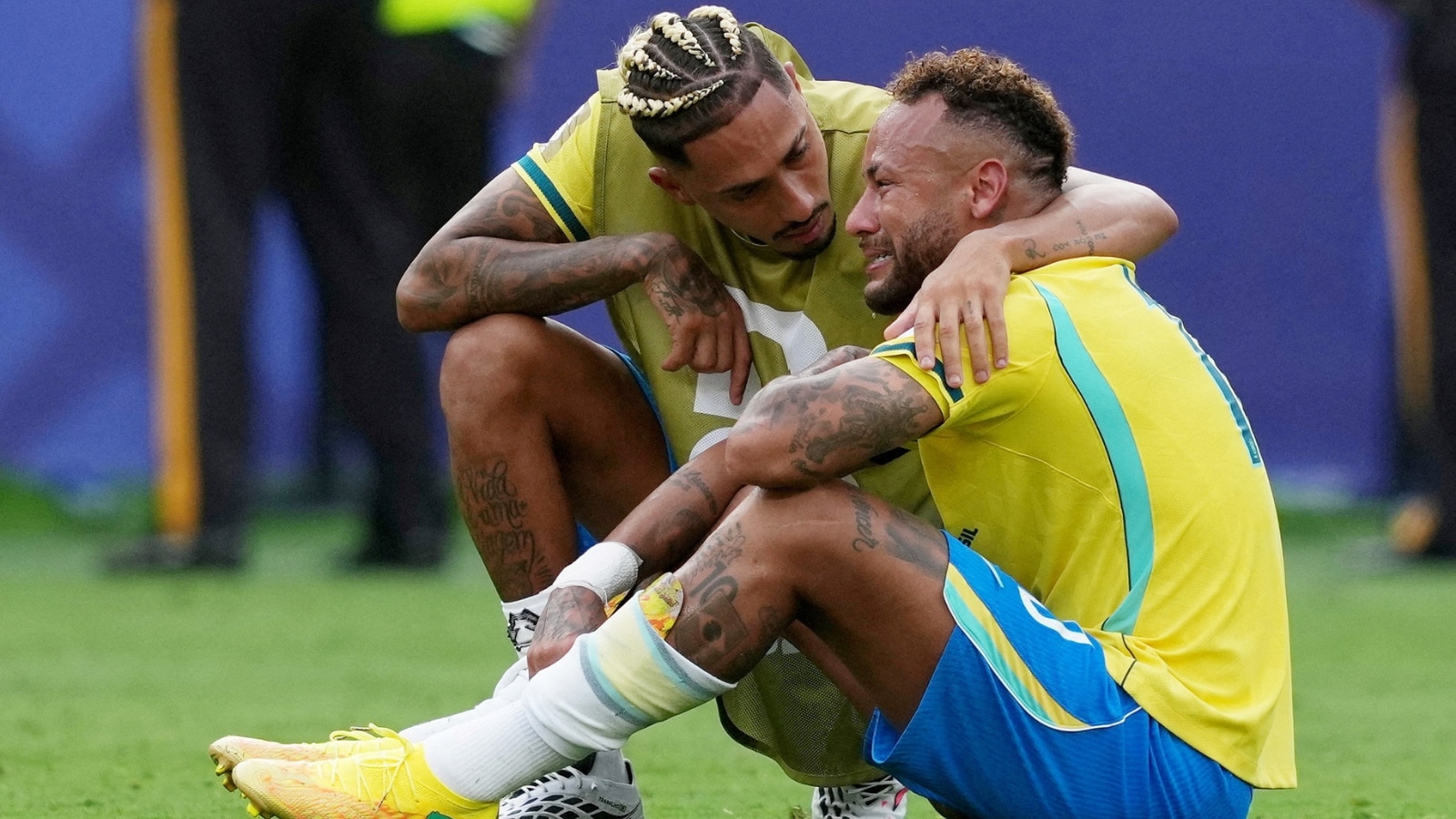
Mexican football thrives on pure, unadulterated drama. It always has. But right now, the tension surrounding the national team feels different. It is heavy. It is exhausting. When Guillermo "Memote" Martínez stood in front of the flashes and microphonics after a grueling match to say that the team needs to lift their heads and thank the fans, he wasn't just repeating a stale post-game script. He was trying to bridge a massive, dangerous chasm between the pitch and the stands.
Let's be completely honest here. The fans are tired of corporate apologies. They are tired of slick social media graphics promising that the team will learn from their mistakes. They want raw accountability, and they want it immediately. Don't miss our recent post on this related article.
Martínez represents a unique voice in this current squad. He is not a pampered academy product who had a golden path laid out for him since age twelve. He fought through the grueling depths of the Mexican second division. He knows exactly how much a ticket costs for a working-class fan. When he speaks about looking the fans in the eye, it carries weight. This isn't just standard public relations spin. It is a desperate plea for survival in an environment that eats players alive.
The Raw Reality Behind the Words of Memote Martínez
Empty stadium statements usually mean nothing. A player stands there, looks at the floor, mutters something about working harder during the week, and walks away to catch a private flight. But watching Martínez speak reveals a different narrative. The striker is carrying the weight of a traditional number nine in a country that desperately lacks them. If you want more about the background of this, The Athletic provides an informative breakdown.
The phrase "Tenemos que levantar la cara" translates to lifting your face, looking forward, and refusing to hide. In Mexican football culture, hiding is the ultimate sin. Fans will forgive a lack of technical quality if they see blood, sweat, and absolute desperation on the grass. What they will never forgive is a player who shrinks under the pressure of the green shirt.
Martínez understands this dynamic better than most. His career was defined by rejection and constant loans before he finally exploded into the spotlight with Puebla and earned his high-profile move to Pumas. He is a late bloomer. That journey gives him a starkly different perspective compared to teenagers who get transferred to Europe before they even know how to pay taxes. He looks at the stands and sees his own family, his own past, and the very people who kept buying tickets when he was playing in front of empty lower-league bleachers.
The competitor version of this story gives you a lazy video embed and a two-sentence summary. It treats the moment like standard content farm fodder. But we need to look at what this moment actually signifies for the locker room. The team is fractured emotionally. When a veteran leader or a hard-nosed striker has to publicly demand that his teammates face the music, it means some players are already looking for the exit tunnels.
What It Takes to Lift Your Head in Mexican Football
Lifting your head isn't just a metaphor. It is a physical demand. When you lose a crucial match or put in a display that lacks passion, the natural human instinct is to stare at your boots. You want to avoid the burning glares of fifty thousand angry supporters who spent their hard-earned money to watch you underperform.
The Tactical Burden on a Traditional Striker
The modern tactical system used by the national team often isolates the center forward. Martínez is a big, physical presence. He needs service. He needs crosses, penetrating passes, and midfielders who are willing to risk losing the ball to create high-value chances.
- He often spends eighty minutes chasing ghosts.
- He battles two central defenders alone.
- He receives the ball with his back to the goal fifty yards away from the penalty box.
When the tactical plan fails, the striker is always the easiest scapegoat. The scoreboard reads zero, and the public blames the man wearing the number nine. Yet, despite that tactical isolation, Martínez is the one demanding that the squad stands tall. That shows a level of internal accountability that has been sorely lacking in recent national team cycles.
The Mental Strain of the Home Crowd Pressure
Playing in front of Mexican fans is a double-edged sword. When things are going well, the energy is electric. It feels like an unstoppable wave of green shirts pushing the ball into the net. But when the passing sequences go sideways and the opposition scores first, the atmosphere turns toxic in a matter of minutes.
The boos start small. Then the whistles grow louder. Finally, the dreaded chants begin. Surviving that shift requires a specific type of mental armor. Martínez possesses that armor because he built it in the minor leagues. The players who grew up in comfortable environments are the ones who struggle to look up when the stadium turns into a pressure cooker.
Why Fan Gratitude Is Not Enough Anymore
Saying thank you is a polite gesture. It is the bare minimum. Right now, the relationship between the fans and the national team requires far more than basic politeness. It requires a complete cultural overhaul inside the training ground.
The fans travel thousands of miles. They fill stadiums in California, Texas, and Mexico City. They spend money they probably should save for regular expenses just to see a glimpse of hope. When a player says we must thank them, it has to be backed up by a performance that reflects that sacrifice.
Many modern players seem to think that the fans owe them support simply because they are wearing the national colors. That is a dangerous delusion. Support is earned every single time the referee blows the whistle. The moment a squad assumes the fans will always be there is the moment the stadium starts filling up with jerseys from other countries.
Breaking the Cycle of Apology and Underperformance
We have seen this cycle repeat itself dozens of times over the last few years. The team loses. A senior player gives an emotional interview. The coach promises changes. The official social media account posts a photo of the players training hard with a caption about unity. Then the next game starts, and the exact same structural errors happen all over again.
Martínez is trying to break that cycle by demanding immediate action. Lifting your face means accepting the criticism without making excuses about travel fatigue, refereeing decisions, or bad luck. It means owning the failure completely.
The Path Forward Before the Next Major Whistle
Words are cheap in modern sports. If the squad wants to truly show gratitude to the fans, they need to implement immediate changes in how they approach the next training camp. The talking points must end. The action must begin on the pitch.
First, the senior leadership must establish a culture where post-match accountability is mandatory for everyone, not just the selected few who are brave enough to talk to the media. The younger players need to follow the example set by Martínez. They need to stand on the pitch after the final whistle, face the stands, and take the applause or the boos with equal respect.
Second, the tactical approach must match the fighting spirit the fans demand. If you are going to lose, you lose while attacking. You lose while throwing bodies forward. You do not lose while playing safe back-passes and trying to protect a negative result.
Stop waiting for the environment to become easy. It will never be easy. The pressure will only intensify as the days tick closer to the next massive tournament. If you cannot handle the heat of a disgruntled crowd after a bad performance, you do not belong in this jersey.
Stand up. Face the stands. Deliver the performance the fans deserve, or make room for someone else who will.