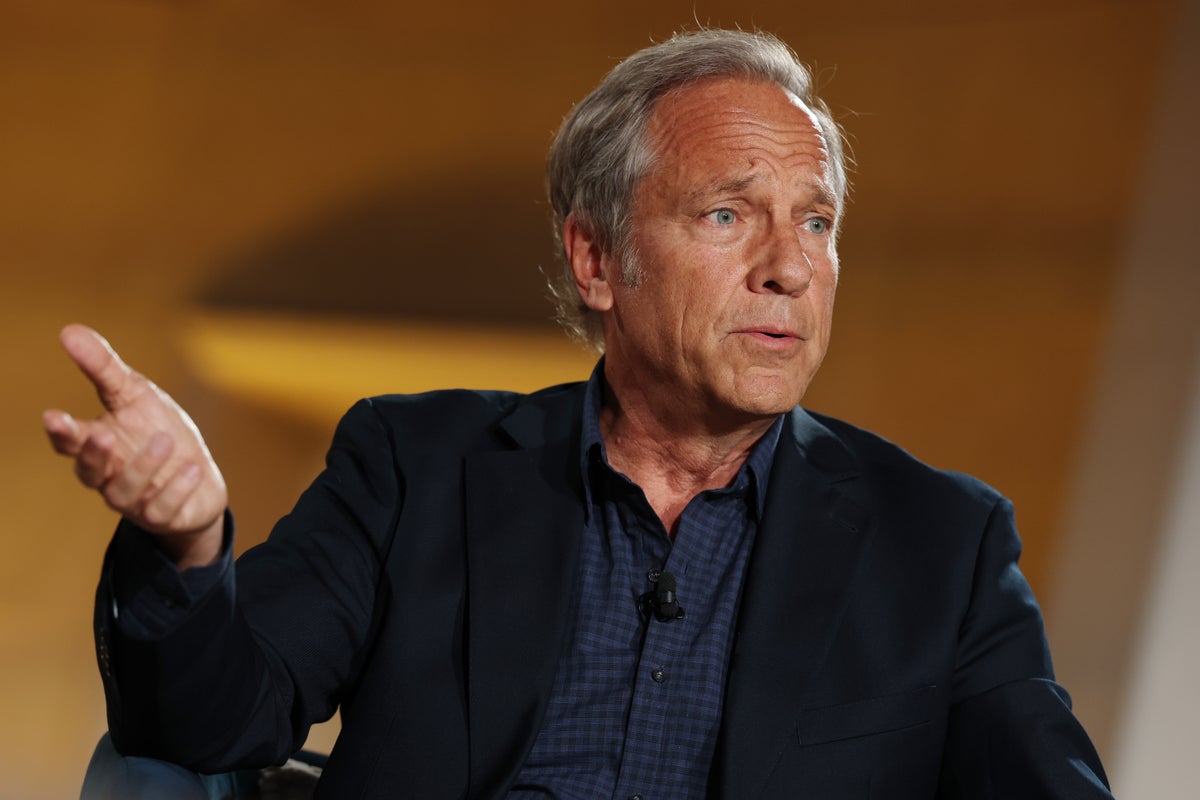
The gritty, gravelly voice of Mike Rowe has been the sonic backbone of Deadliest Catch since its premiere in 2005. You know the voice. It's the one that makes a rogue wave in the Bering Sea sound like a personal confrontation with destiny. But behind the scenes, a battle over contract language has turned into a multi-million-dollar legal showdown.
Rowe and his production banner, Lab Rat, hit Discovery Talent Services with a massive breach of contract lawsuit. Rowe claims the network owes him at least $2.04 million in unpaid narration fees. This isn't just a simple disagreement over hours worked. It's a fundamental fight over a specific Hollywood clause that major networks use to lock down talent—and what happens when they decide to look elsewhere.
The Pay-or-Play Power Struggle
At the center of this legal battle is a "pay-or-play" agreement hammered out back in 2020. In the entertainment industry, these agreements are golden handcuffs. The network guarantees to pay the talent a set fee for a project, regardless of whether the network actually uses their services or ends up making the show.
Rowe's lawsuit alleges that his updated 2020 deal locked him in at a staggering $40,000 per episode. Crucially, the agreement supposedly applied to the original Deadliest Catch, Bering Sea Gold, and any future spinoffs. It was designed to keep his iconic voice synonymous with the franchise.
While things went smoothly for early spinoffs like The Bait and Dungeon Cove, the relationship fractured when new projects rolled out. According to the court filing, Discovery bypassed Rowe entirely for three specific spinoff series:
- Deadliest Catch: Bloodline
- Deadliest Catch: The Viking Returns
- Deadliest Catch: Northern Edge
Rowe's legal team argues that because Discovery exercised its option not to use him as the narrator across at least 51 spinoff episodes, the pay-or-play clause kicks in. Fifty-one episodes at forty grand a pop brings the baseline total to exactly $2.04 million. They're also chasing additional funds for 12 longer-form installments and accrued interest.
The Secret World of International Reality TV Textures
The lawsuit exposes another wrinkle that most casual viewers never consider. Rowe's team claims they recently discovered that international broadcasts of the core Deadliest Catch series are materially different from the versions aired in the United States.
In reality television, international distributions often feature alternate edits, different music cues, or entirely swapped-out narration tracks to fit local market tastes. Rowe is laying the groundwork to claim that if these international variations qualify as distinct, "originally produced episodes" under the scope of his contract, the network owes him even more cash.
Discovery isn't rolling over. A network spokesperson publically refuted the claims, stating the company has fully fulfilled its contractual obligations and intends to vigorously defend itself in court.
A Pattern of Legal Friction
This isn't an isolated spat. The voiceover lawsuit lands hot on the heels of another legal dispute Rowe initiated against parent company Warner Bros. Discovery. He sued the media giant over streaming residuals, claiming his contract entitles Lab Rat to a cut of the revenue generated when the network licenses its massive back catalog to modern streaming platforms.
The recurring theme here is clear. The legacy contracts signed during the golden era of cable television don't cleanly map onto modern distribution networks, international formatting, and endless streaming syndication. When networks split a franchise into half a dozen niche spinoffs to feed their digital pipelines, top-tier talent expects their guaranteed pieces of the pie to scale accordingly.
Protect Your Contractual Rights in Creative Industries
If you're a creator, voice actor, or independent contractor dealing with intellectual property, this high-profile suit offers a few harsh lessons about contract management.
- Audit Your Distribution Channels Regularly: Never assume the version of your work you see on domestic television or local web platforms is the only one making money. Keep tabs on international syndication and foreign market edits.
- Define Spinoff Scope Explicitly: If your contract mentions "future projects" or "spinoffs," ensure the language explicitly details how compensation scales if you're sidelined for a new iteration of the brand.
- Enforce Pay-or-Play Terms Instantly: A guarantee is only as good as your willingness to litigate it. If a partner skips your services but keeps you locked out of working with competitors, track the episode count meticulously.
The next step for Rowe is a push toward a jury trial. For now, the guy who built a brand out of highlighting America's toughest gig is proving that dealing with network lawyers can be just as messy as cleaning out a crab pot.