Pakistan just escalated its border friction with Afghanistan into what officials are openly calling a state of war. If you think this is just another minor border skirmish in a volatile neighborhood, you're missing the bigger picture. The Pakistani air force launched a series of intense, overnight airstrikes hitting deep inside Afghan territory, striking targets in Kabul, Kandahar, and Paktia. This isn't a sudden, unprovoked outburst. It's the boiling point of a toxic relationship that's been festering since the Taliban took back Kabul.
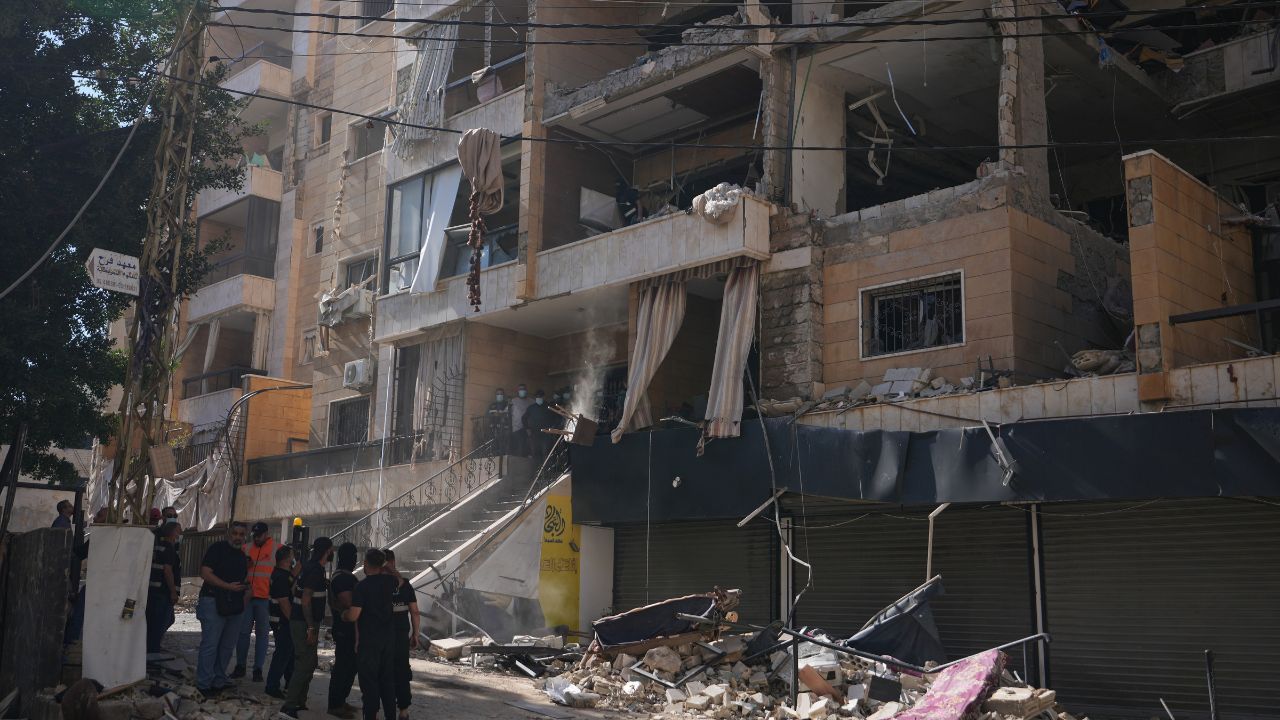
The immediate fallout is grim. In Kabul, local police officials confirmed that the strikes hit residential sectors, leaving multiple civilians dead, including children, and dozens more wounded. Meanwhile, in Kandahar, Pakistani jets blasted fuel depots belonging to Kam Air, a private airline that handles logistics for commercial flights and United Nations aid missions. Islamabad claims they targeted precise militant infrastructure belonging to the Pakistani Taliban, known as the Tehrik-e-Taliban Pakistan (TTP). Kabul screams that Pakistan is targeting civilians and committing war crimes.
The real question behind this sudden explosion of violence is simple. Why are two Islamic nations that used to be strategic allies now trading rocket fire and jet strikes? The answer lies in a massive miscalculation by Pakistan's military establishment, a complete shift in regional dynamics, and a legacy of broken promises.
The Monster Pakistan Helped Create
For decades, Pakistan's security apparatus played a double game. They supported the Afghan Taliban during their long insurgency against Western forces, believing that a friendly regime in Kabul would give Islamabad "strategic depth" against their archrival, India. When the US pulled out in August 2021, Pakistani officials celebrated. They thought they finally controlled the board.
They were completely wrong.
Instead of becoming a compliant puppet, the Afghan Taliban opened the doors of their country to ideological brothers, specifically the TTP. The TTP wants to overthrow the Pakistani government and establish their own hardline rule in Islamabad. With a safe haven now secured across the Durand Line, TTP fighters didn't just rebuild; they expanded. They grabbed high-tech weaponry left behind by departing Western forces. They launched a relentless wave of suicide bombings, ambushes, and cross-border raids into Pakistan's Khyber Pakhtunkhwa province.
Look at the numbers. Average TTP attacks inside Pakistan jumped from around 14 a month before the Taliban takeover to nearly 46 a month soon after. Pakistan repeatedly begged the Taliban leadership in Kabul to rein in these fighters. The Taliban offered to mediate peace talks, but they flatly refused to kick the TTP out. Why? Because the Afghan Taliban and the TTP share the same ideological DNA. Expecting Kabul to hunt down the TTP is like expecting a tiger to change its stripes. It was never going to happen.
Inside the Open War Escalation
The breaking point didn't happen overnight, but the recent strikes mark a terrifying shift in strategy. Pakistan shifted from occasional, quiet cross-border shellings to launching named operations like Operation Khyber Storm. They are now sending fighter jets straight into Afghan airspace to bomb major cities.
The tactical back-and-forth shows just how fast things are unraveling:
- Air campaigns deep inland: Pakistani jets aren't just hitting the border areas of Khost and Paktika anymore. Striking Kabul and Kandahar shows Islamabad is willing to risk a full-scale conventional war to prove a point.
- Asymmetric retaliation: The Afghan defense ministry claimed its forces retaliated by targeting Pakistani military installations in the Kohat district.
- Drone warfare and border clashes: While the Taliban tried to deploy rudimentary drones over Pakistani territory, ground forces exchanged intense mortar and heavy machine-gun fire along disputed border posts, displacing thousands of local villagers.
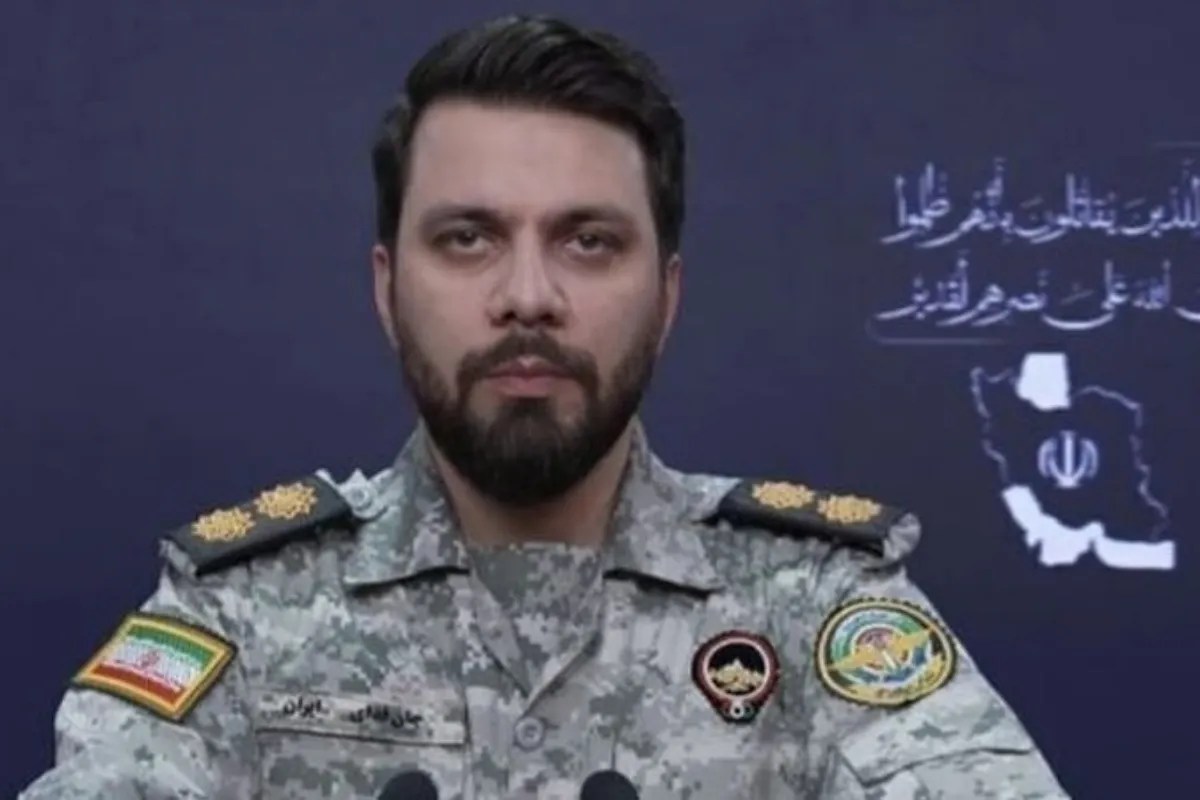
What makes this iteration of the conflict so dangerous is the rhetorical shift. Pakistan’s Defense Ministry directly announced that the country is now in an "open war" with its neighbor. When nations stop using diplomatic euphemisms and start using the W-word, the margin for error drops to zero.
What Most Analysts Get Wrong About the Conflict
The common narrative is that this is a localized border dispute that will eventually settle back down into a tense stalemate. That view ignores three massive structural shifts happening right now.
First, the Afghan Taliban are no longer dependent on Pakistan for survival. They have their own state machinery, their own weapons, and they are actively seeking diplomatic and economic ties with other regional heavyweights, including China, Russia, and ironically, India. Kabul knows Pakistan is paralyzed by its own massive domestic issues, an inflation crisis, and constant political infighting. The Taliban are exploiting that weakness.
Second, the civilian cost is feeding a vicious cycle of radicalization. When Pakistani airstrikes hit a home in Khost or a neighborhood in Kabul, killing families and children, it doesn't weaken the TTP. It acts as the ultimate recruitment tool. It validates the TTP's propaganda that the Pakistani state is an aggressive enemy that needs to be destroyed.
Third, the geopolitical landscape is shifting under our feet. This border war isn't happening in a vacuum. With major conflicts burning across the Middle East and Eastern Europe, regional stability in South Asia is dangerously fragile. The United Nations Security Council recently passed a unanimous resolution demanding the Taliban step up counter-terrorism efforts, but resolutions don't stop bombs.
The Immediate Steps to Watch
Don't expect a sudden peace treaty or a grand diplomatic breakthrough. The trust between Islamabad and Kabul is completely dead. To understand where this crisis goes next, keep your eyes on three specific pressure points.
Watch the border crossings like Torkham and Chaman. Pakistan frequently uses economic blockades as leverage, shutting down trade routes to choke the landlocked Afghan economy. If these crossings stay closed for weeks, the economic misery in Afghanistan will spike, forcing the Taliban to either retaliate militarily or lash out at local Pakistani border posts.
Monitor the treatment of Afghan refugees living inside Pakistan. Islamabad has already used mass deportations as a weapon to punish Kabul. Expect another massive wave of forced expulsions as Pakistan tries to clear out communities it suspects of harboring or sympathizing with cross-border insurgents.
Track the internal cracks within the Taliban itself. The leadership in Kandahar, led by Hibatullah Akhundzada, holds the ultimate ideological power and refuses to betray the TTP. However, the pragmatic factions in Kabul have to actually run a government and deal with the economic fallout of being bombed by their neighbor. If the pressure from Pakistani jets gets too high, those internal fractures in the Taliban regime might finally break wide open.