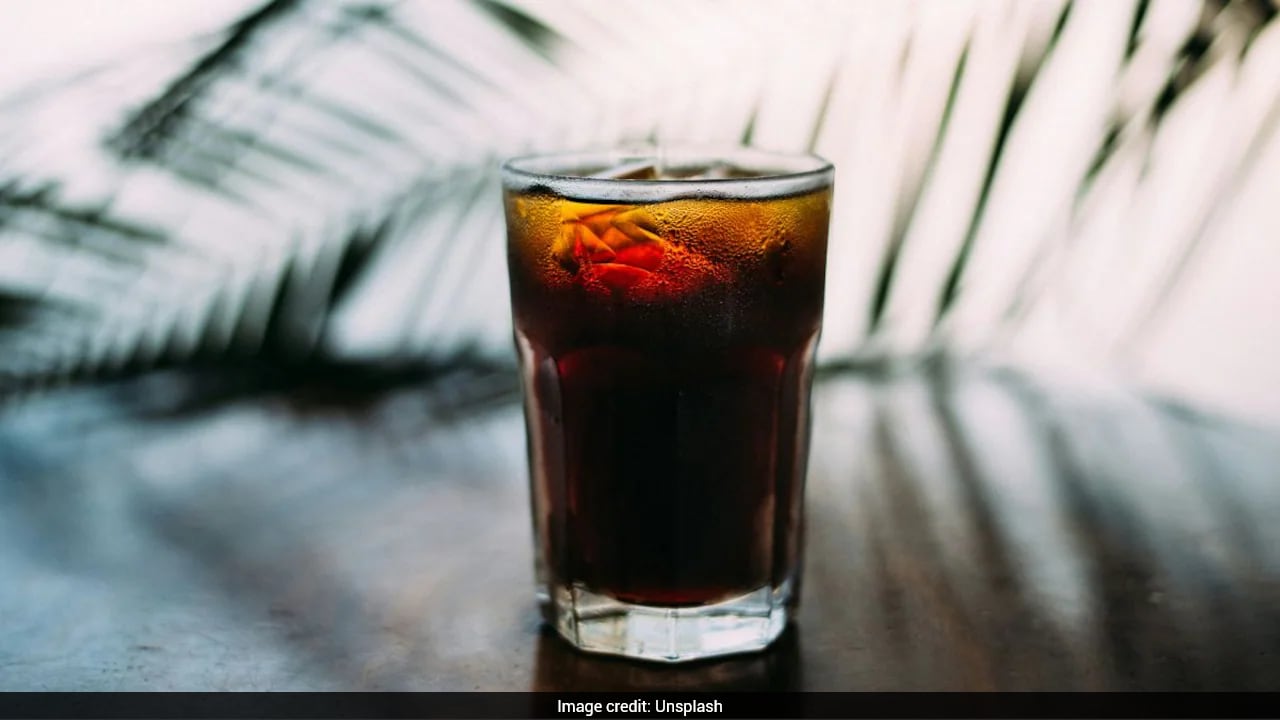
You come inside after sweating under a brutal summer sun, open the fridge, and grab a massive cup of iced beverages. You down it in seconds. It feels incredibly refreshing, right? Most of us think the worst that can happen is a temporary brain freeze.
Think again. A terrifying medical emergency in central China recently proved that slamming freezing drinks when your body is overheated can lead directly to the intensive care unit.
A seven-year-old boy from Henan province learned this the hard way. After running around outside in sweltering heat, he begged his family for something cold. He didn't just have a few sips. He knocked back a glass of iced cola and followed it immediately with a cup of iced milk tea. Within hours, his afternoon of fun spiraled into a nightmare of agonizing abdominal pain and relentless vomiting.
When his parents rushed him to the First Affiliated Hospital of Zhengzhou University, doctors didn't just find a simple stomach ache. They discovered a life-threatening structural failure in his digestive tract.
The Tragic Case of the Twisted Intestine
The boy was diagnosed with acute volvulus. If you aren't familiar with the term, a volvulus happens when a loop of the intestine twists around itself and the surrounding supportive tissue. Think of it like kinking a garden hose.
When the bowel twists like this, it completely blocks the passage of food and liquid. Far worse, it pinches off the blood vessels supplying that section of the gut. Dr. Huo Yufeng, the treating physician at the hospital, reported that the sudden temperature shock and massive intake of sugar and carbonation triggered violent, abnormal contractions in the boy's stomach and intestines.
This violent twitching caused the physical loop of the bowel to flip and knot. Because the blood supply was cut off so suddenly, the boy developed severe bowel necrosis. Necrosis means tissue death. When your intestinal walls go hours without oxygenated blood, the cells die, the tissue rots, and bacteria can leak straight into your bloodstream. It is an absolute medical emergency that requires immediate surgery to cut out the dead tissue before sepsis kills the patient.
[Image of intestinal volvulus]
The Real Science of Thermal Shock to Your Gut
How can something as simple as iced beverages cause an internal organ to physically flip upside down? It comes down to a physiological phenomenon known as thermal shock combined with hyperperistalsis.
Your internal core temperature sits tightly around 37°C (98.6°F). When you are playing outside in extreme heat, your blood vessels dilate near your skin to help radiate heat away from your body. Your internal organs are running hot. When you suddenly drop a large volume of near-freezing liquid into your stomach, it acts like throwing ice water onto a hot glass windshield.
The extreme, localized cold shock causes an immediate spasm of the smooth muscles lining your gastrointestinal tract. Your body attempts to violently churn and push the cold mass away. This sudden, uncoordinated surge in peristalsis—the wavy muscular contractions that move food along—can cause a heavy, fluid-filled loop of the intestine to violently swing out of place. If it swings too far, gravity and muscle spasms twist it into a permanent knot.
Add to this the fact that the boy drank carbonated cola and sugary milk tea. The rapid release of carbon dioxide gas bloats the stomach and upper bowel, while the heavy sugar load draws water rapidly into the gut via osmosis. You end up with a perfect storm: a heavily weighted, gas-bloated, violently spasming set of intestines. It takes very little for a physical twist to happen under those exact parameters.
Children and the Fragile Gastrointestinal Tract
This case triggered massive, fierce debates online across Asia, but the medical reality is quite straightforward. Children are uniquely vulnerable to this type of trauma.
A seven-year-old’s digestive system isn't just a smaller version of an adult's system. The mesenteric tissue—the thin sheet of membrane that anchors the intestines to the back of the abdominal wall and carries all the crucial blood vessels—is much more flexible, loose, and underdeveloped in young kids. Because it lacks the tough, fibrous anchoring of an adult abdomen, a child's intestines have a much wider range of free movement.
When a kid’s bowel experiences severe spasms from an iced drink shock, the loose anatomy allows the loops to twist far more easily. Doctors warn that children under the age of three should absolutely never be given large amounts of iced water or cold drinks on hot days, and older children need strict limits.
The same vulnerability applies to the elderly, though for the opposite reason. As people age, bowel function naturally deteriorates, and the blood vessels supplying the gut become stiff or narrowed by plaque. A sudden cold shock can trigger localized vasoconstriction, completely cutting off what little blood supply those old tissues have left, potentially triggering a heart episode or a sudden ischemic bowel event.
Where Modern Gastroenterology Meets Ancient Wisdom
What makes this specific incident in Henan so fascinating is how it bridges the gap between Western medicine and Traditional Chinese Medicine (TCM). For decades, Western travelers to China have noticed that people there routinely drink warm or hot water, even during the peak of summer.
In TCM, there is a deep-seated belief that consuming ice-cold food or drinks damages the body's internal energy, or qi. During the hottest weeks of summer, traditional practice dictates that you should avoid iced drinks entirely because cold temperatures trap heat inside the body and cause stagnation. TCM practitioners have long argued that a cup of warm water is actually more effective at cooling you down because it encourages mild sweating and stimulates healthy blood flow without shocking your internal organs.
While Western doctors don't talk about qi, their clinical findings line up perfectly with the core warning of the ancient texts: do not shock a hot system with sudden, extreme cold. Western gastroenterologists explicitly state that rapid temperature drops in the gut disrupt the autonomic nervous system, cause vascular spasms, and can stall digestion entirely. Whether you call it stagnant qi or localized tissue ischemia, the result is exactly the same—severe pain, vomiting, and potential structural damage.
How to Stay Hydrated Safely This Summer
You don't need to completely ban cold treats from your life, but you do need to stop treating your body like an indestructible machine. If you or your kids are out sweating in the heat, you have to change how you rehydrate. Use these rules to protect your gut from thermal shock:
- Choose cool, not ice-cold: Opt for cellar-temperature or slightly chilled water rather than water packed with ice cubes. A temperature of around 10°C to 15°C is cold enough to feel refreshing but warm enough to prevent vascular spasms.
- The 500ml limit: Adults should restrict themselves to no more than 500ml of cold liquid in a single sitting. For children and the elderly, cut that limit directly in half.
- Sip, don't chug: Force your kids to sip their drinks slowly. Holding the liquid in the mouth for a few seconds warms it up slightly before it hits the vulnerable tissues of the stomach.
- Timing matters: Avoid iced beverages on an empty stomach or immediately after intense physical exercise. Wait at least 30 minutes to an hour after working out or finishing a heavy meal before enjoying a cold drink.
The seven-year-old boy in Henan required intense, invasive medical intervention just because his family wanted to spoil him with a couple of cold treats on a hot afternoon. Don't make the mistake of assuming your body can handle an instantaneous 30-degree drop in internal temperature. Sip slowly, keep the ice to a minimum, and let your body cool down naturally before you go looking for a refreshing drink.