Every year on the night of Independence Day, emergency rooms across the country turn into chaotic combat zones. I am not talking about minor scrapes or a bit too much sunburn. I mean severe, life-altering trauma. People lose fingers. Children suffer third-degree burns. Families watch their holiday celebrations disintegrate in seconds because they ignored basic precautions.
The biggest issue with July 4th safety is complacency. We get comfortable. We assume the worst only happens to other people. Then, a stray spark or an unvetted piece of advice sends someone straight to the hospital. If you want to keep your family out of the ER this summer, you need to look past the generic warnings and understand the actual mechanics of holiday hazards.
The Hidden Trap of Home Fireworks and Sparklers
The consumer fireworks industry pushes the narrative that backyard pyrotechnics are just harmless family fun. The data says otherwise. According to the US Consumer Product Safety Commission, nearly 15,000 people were treated in emergency rooms for firework-related injuries in 2024 alone, and 11 people died.
Most people think the biggest threats are massive, commercial-grade mortars. They are wrong. It is often the small stuff that does the worst damage to kids.
Take sparklers, for example. Parents hand them to toddlers without a second thought. They think a sparkler is just a glowing wand. In reality, a sparkler burns at temperatures between 1,000 and 2,000 degrees Fahrenheit. That is hot enough to melt glass and gold. It is hot enough to liquefy skin instantly. If your child drops a sparkler on their foot or catches their clothing on fire, the resulting burn requires immediate skin grafts. Swap them out entirely. Give your kids glow sticks or confetti poppers. They still get the visual thrill without the risk of a lifetime of scarring.
Another major emergency room pipeline is the classic "dud" firework. You light a fuse, you step back, and nothing happens. Ten minutes pass. You assume it is dead. You walk over, lean directly over the tube, and look down. That is exactly when the delayed charge fires into your face.
If a firework fails to ignite, do not go near it. Do not touch it. Do not try to relight it. Let it sit for at least 20 minutes, then approach it with a bucket of water and douse it completely.
If the absolute worst happens and someone suffers an injury, your immediate response dictates their recovery.
- For severe burns, cool the area immediately with cool water, not ice. Ice can damage the tissue further.
- For eye injuries, never rub or flush the eye with water. You could embed debris deeper. Instead, cut the bottom out of a paper or plastic cup, tape it over the eye to shield it from any pressure, and head to the hospital.
- If a blast severs a finger, wrap the severed digit in a clean, moist bandage. Put it inside a sealable plastic bag. Place that bag on ice. Never put the finger directly on the ice, as freezing the tissue destroys the chances of surgical reattachment.
Why Your Grill Is More Dangerous Than You Think
Grilling is the centerpiece of the holiday weekend. However, your backyard barbecue holds a silent hazard that ER doctors dread every summer. It is not just about flare-ups or undercooked meat. It is the tool you use to clean the grates.
Standard wire-bristle grill brushes are incredibly dangerous. As the brush ages, the tiny steel bristles break off and stick to the rough metal grates. When you throw your burgers or steaks onto the grill, those sharp wire splinters embed themselves right into the food. You swallow your food, and suddenly a piece of razor-sharp metal is tearing through your esophagus, stomach, or intestines.
Finding a tiny wire bristle inside a human digestive tract is a medical nightmare. They do not always show up clearly on standard X-rays, and extracting them often requires emergency exploratory surgery. Throw your wire brush in the trash today. Use a pumice stone, a nylon sponge, or a coiled stainless steel wire brush that does not have loose bristles.
Beyond the cleaning tools, basic physical setup matters. Keep your grill at least ten feet away from your house, deck railings, and overhanging branches. Maintain a strict three-foot safety zone around the hot metal. Kids and pets move fast, and a single bump can overturn a hot charcoal tray or tip a propane tank.
Surviving The Summer Heat Without Stopping The Party
July heat waves are brutal. When you mix extreme temperatures with outdoor activities and alcohol, you create the perfect storm for heat-related illnesses. The most common mistake people make is waiting until they feel thirsty to drink water. By that point, your body is already sliding into dehydration.
You must pre-hydrate. Start drinking water the night before your outdoor party. If you plan to consume alcohol, stick to a strict one-to-one ratio. Drink one full glass of water for every alcoholic beverage you finish. Alcohol acts as a diuretic, forcing your body to lose fluids much faster than normal.
You also need to understand the critical transition from heat exhaustion to heat stroke. Heat exhaustion is your body screaming for help. You will sweat heavily, your skin will feel cold and clammy, you might feel dizzy, and your pulse will be fast. You can treat this by getting into an air-conditioned room, sipping water, and applying cool cloths to your body.
Heat stroke is a medical emergency. This happens when your internal cooling system completely fails. The core temperature spikes above 104 degrees Fahrenheit. The warning signs change drastically. The person will become confused, their speech might slur, they can lose consciousness, and crucially, they may stop sweating entirely. Their skin will feel hot and dry. If you see someone stop sweating in extreme heat while acting confused, call 911 immediately. Ice their groin, armpits, and neck while you wait for the paramedics. Delaying treatment can lead to permanent brain damage or death.
The Real Truth About Water Safety and Crowded Pools
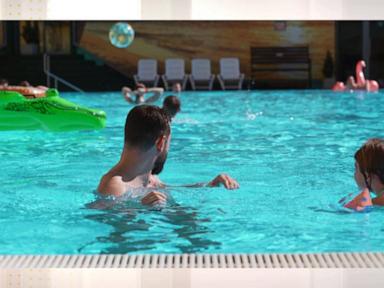
Drowning does not look like it does in the movies. There is no splashing, no screaming for help, and no dramatic waving of arms. It is silent. It happens in seconds, often right next to adults who are distracted by conversations or their phones.
When a crowd gathers around a pool or a lake, everyone assumes someone else is watching the kids. This diffusion of responsibility is deadly. To combat this, implement a strict "Designated Water Watcher" system. One adult wears a specific lanyard or holds a specific item, indicating they have one job: eyes on the water. They do not look at phones, they do not mix drinks, and they do not chat. Every 15 or 20 minutes, pass the lanyard to a new adult so everyone stays sharp.
Dress your kids in neon colors. Put them in bright orange, pink, or lime green swimsuits. Avoid blue, green, or white swimwear. Blue and green suits blend directly into the water, and white suits look exactly like bubbles or light reflections on the surface. If a child sinks to the bottom of a pool, a neon suit allows you to spot them instantly.
Ensure everyone wears a Coast Guard-approved life jacket when boating or swimming in open water. Inflatable water wings and pool noodles are toys. They are not safety devices. They slip off easily and provide a false sense of security.
Your Immediate Next Steps
Do not wait until July 4th morning to think about these things. Take action right now to protect your family.
First, check your grilling equipment. Go outside, look at your grill brush, and discard it if it has wire bristles. Buy a safer alternative today.
Second, stock your cooler with twice as much water as you think you need. Buy sports drinks containing electrolytes to balance out the heat.
Third, if you plan to use backyard fireworks where they are legal, prepare your safety zone. Place a heavy bucket of water next to your launch site. Designate an adult who will remain completely sober to handle the ignition.
Fourth, buy bright, neon swimsuits for your children before you pack your pool bags.
These adjustments take minimal effort, but they completely change your risk profile. Enjoy the holiday, enjoy the food, and keep your family out of my emergency room.
This video on Fourth of July ER Safety Tips provides direct commentary from an emergency medicine professional regarding the hidden dangers of grill bristles, pool safety, and holiday firework handling.