Street-level drug dealers usually keep cash, guns, and burner phones on hand. They don't usually keep multi-million dollar masterworks by Spanish cubist icons hanging next to their stash.
Yet that is exactly what French narcotics investigators stumbled upon during a mid-June raid in 2026.
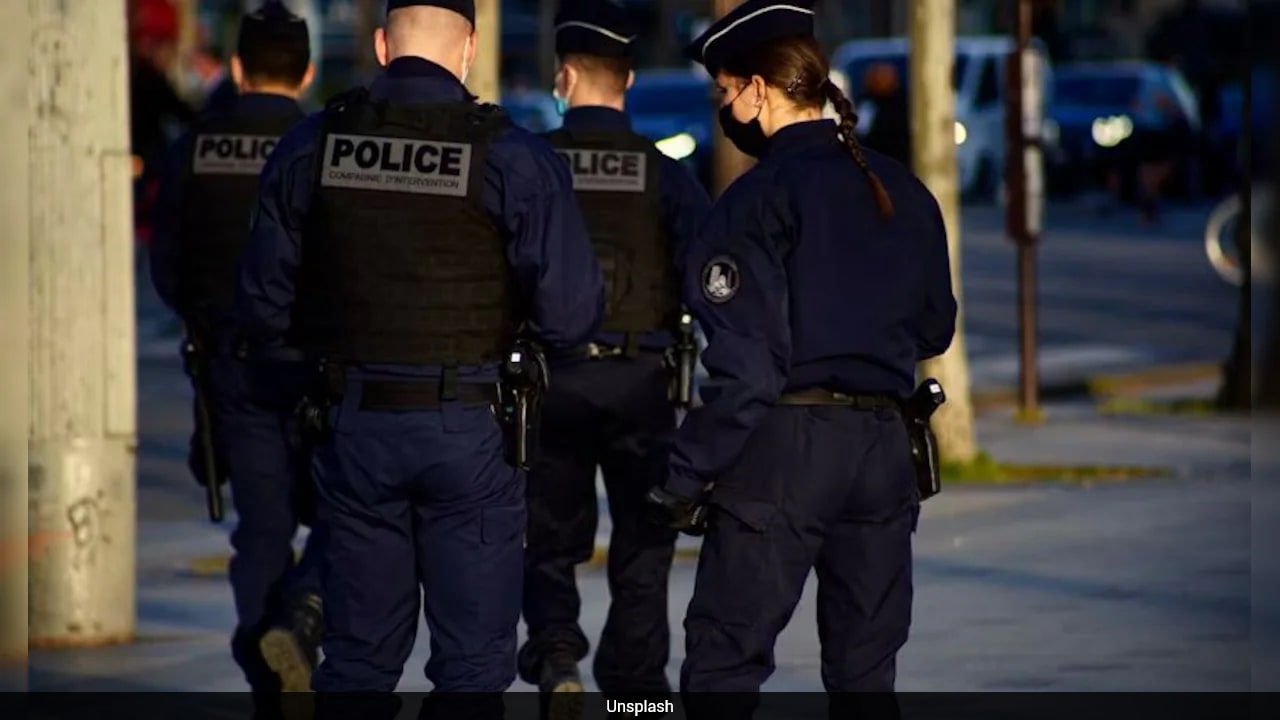
When police kicked down the door of a home in Champigny-sur-Marne, a commune just east of Paris, they expected to dismantle a standard suburban drug operation. They found the usual suspects. There was cannabis resin packaged for distribution. There were bundles of Euros totaling several thousand cash. There were stacks of high-end luxury clothes.
Then they found a genuine, authenticated masterpiece by Pablo Picasso.
The artwork had been sitting quietly among the contraband, an asset worth tens of millions of euros handled by people trading in street corners and illegal substances. The Creteil public prosecutor's office confirmed the stunning discovery on June 20, sending shockwaves through both the art world and international law enforcement. Four individuals were rushed straight to court on June 19 for an immediate hearing.
This is not an isolated weird crime story. It is a window into a massive, quiet shift in how modern criminal networks store their wealth.
The Shocking Realities of the Champigny-sur-Marne Raid
The details of the raid sound like something out of a Hollywood script. Investigators from the local anti-narcotics units had been tracking a standard trafficking ring when they executed the search warrant on June 15. The suspect's home looked ordinary from the outside, hidden within the urban sprawling suburbs of Paris.
Inside, the physical evidence of a multi-tiered criminal enterprise became immediately obvious. Police seized the following items during the sweep.
- A significant haul of compressed cannabis resin
- Thousands of euros in loose currency bills
- Designer clothing and luxury apparel bought with illicit gains
- One authenticated original painting by Pablo Picasso
The Alliance Police Nationale union later disclosed on social media that the painting had been stolen from a secure storage facility in Paris. The authorities have not released the exact date of that original theft, nor have they revealed the specific name or composition of the piece to protect the ongoing investigation. They did, however, confirm that art experts have completely verified its authenticity.
The union estimates the market value of the recovered canvas to be at least several tens of millions of euros. Street dealers were holding onto an asset that could buy an entire block of Parisian real estate.
How Fine Art Became the Ultimate Underworld Currency
People often ask why a drug crew would want a Picasso. You cannot exactly pass a cubist painting to a supplier to buy another kilo of cannabis resin. Or can you?
The reality of modern criminal economies is that cash is incredibly heavy, loud, and difficult to move across borders. If you have five million euros in paper bills, it weighs roughly twenty-two pounds and takes up a massive amount of physical space. It triggers red flags at banks. It requires complicated money laundering networks to clean.
A masterpiece painting solves all of those problems instantly.
High-value art is the ultimate alternative currency for syndicates. It is highly concentrated wealth. You can roll up a canvas worth thirty million dollars, put it inside a cheap cardboard tube, and carry it across an international border without drawing a single look from customs officials.
Criminal organizations do not buy these paintings to hang them in their living rooms and admire the brushwork. They use them as collateral. In the global underworld, a stolen Picasso can be traded between cartels to secure a massive shipment of narcotics or weapons. The painting stays locked away in a safehouse, acting as a sovereign bond guaranteeing a debt between syndicates.
The Logistics of Art Storage and Theft
The Alliance Police Nationale pointed out that the Picasso came from a storage site in Paris. This detail reveals a massive vulnerability in the art market that the public rarely thinks about.
Most of the world's most valuable art is not hanging on the walls of the Louvre or the Metropolitan Museum of Art. It is locked inside high-security warehouses, freeports, and private storage units. Wealthy investors use art as a financial asset, keeping it crated up to avoid taxes and damage.
These storage facilities are supposed to be fortresses, but they are frequently targeted by specialized crews. Once a painting is stolen from a warehouse, it enters a shadow economy. It cannot be sold at public auctions like Christie's or Sotheby's because the art loss registers will flag it immediately.
Instead, the thieves sell the piece to fence operations at a massive discount. A painting worth twenty million euros on the legitimate market might sell for two million euros in the criminal underworld. The buyers are often high-level drug distributors looking to diversify their assets away from vulnerable bank accounts and volatile cryptocurrencies.
Why Street Crews are Holding High-Level Assets
The presence of the painting in a suburban home indicates that the lines between elite international art thieves and regional drug distributors have completely blurred.
In the past, art theft was considered a white-collar, specialized criminal field. The people who stole paintings did not mix with the people selling cannabis on the streets of Paris. That wall has crumbled.
Today, decentralized criminal networks use the same distribution channels for everything. The same transport routes that move illegal substances from North Africa and South America into Europe are used to move stolen cultural goods out.
When a major syndicate needs to hide an asset from a police sweep, they don't leave it in a luxury penthouse that will be targeted by financial investigators. They push it down the chain to lower-level safehouses in communes like Champigny-sur-Marne. They assume the police will only look for standard street contraband, completely missing a masterpiece wrapped in plastic under a bed or behind a wardrobe.
The Nightmarish Task of Recovering Stolen Art
The Creteil prosecutor's office has opened a separate, dedicated investigation focusing strictly on the theft and handling of stolen goods. This runs parallel to the primary drug trafficking case.
Recovering the painting is only half the battle for French authorities. Now comes the incredibly complex process of tracing its history.
Investigators must answer several glaring questions.
- Who originally owned the piece before it was stolen from the Paris storage site?
- How many hands did the painting pass through before landing in the suburban drug house?
- Was the artwork intended to be smuggled out of France to an overseas buyer?
- What specific criminal transactions was this painting used to secure?
This process takes months, sometimes years. Because the art black market relies on complete anonymity, tracking the chain of custody requires flipping informants within the drug syndicate. The four individuals arrested during the June 15 raid are currently facing intense interrogation as prosecutors try to find the bridge connecting the drug house to the original art thieves.
What Most People Get Wrong About Art Infrastructure
The public often assumes that art theft is rare because the items are so famous that they are impossible to sell. This misses the entire point of modern cultural property crime.
The goal is almost never to sell the painting to a legitimate collector. The value lies entirely within the criminal ecosystem itself.
A stolen Picasso maintains value because everyone in the underworld agrees it is worth money. It is an index of value. If a cartel boss in Europe owes a supplier in South America, transferring millions via wire transfer is impossible without getting caught. Handing over an authenticated piece of history that can be held in a private vault as a permanent deposit is a frictionless transaction for them.
The physical painting becomes a literal banknote. The fact that this specific piece was recovered alongside luxury clothes and cash shows that the suspects viewed it as just another high-value commodity, no different from a Rolex watch or a brick of cannabis.
Practical Safeguards for the Global Art Community
This incident in the Paris suburbs should serve as a massive wakeup call for galleries, private collectors, and storage operators worldwide. The threat is not just from sophisticated cat burglars, but from organized crime groups looking for liquid assets.
If you own or manage high-value cultural properties, relying on standard private security is no longer enough. The integration of fine art into drug economies means the violence and resources of international syndicates are now directed at art infrastructure.
The next logical steps for the art industry involve a radical overhaul of how items are tracked and monitored.
- Implementing biometric access logs for all private art storage sites
- Utilizing microscopic synthetic DNA marking on frames to guarantee chain of custody
- Mandating decentralized digital registries for physical asset verification that cannot be altered by hackers
- Increasing cooperation between fine art insurance investigators and regional narcotics squads
The French police pulled off a spectacular recovery in Champigny-sur-Marne, but it was largely a stroke of luck during a routine drug sweep. Relying on luck is a terrible strategy when dealing with the preservation of human cultural history. The criminal underworld has adapted to the digital age by treating physical masterpieces as stable, portable wealth. Law enforcement and the art world must adapt just as quickly to stop them.