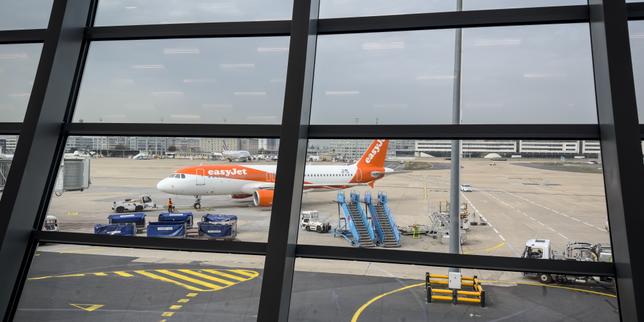
Private credit funds and Wall Street giants aren't known for their love of family vacations, but they're suddenly very interested in your next low-cost flight. The ongoing corporate drama between the orange-branded budget carrier easyJet and American investment firm Castlelake tells you everything you need to know about where global finance is moving.
It's easy to look at Castlelake's repeated multi-billion-dollar attempts to swallow easyJet as just another corporate takeover story. It isn't. It's a symptom of a massive structural shift in how commercial aviation operates, moving away from public markets and straight into the arms of aggressive private asset managers. Learn more on a related subject: this related article.
The Summer Takeover Battle That Rewrites the Rules
Let's look at the raw numbers. Castlelake, backed by parent group Brookfield Asset Management, made a fourth non-binding proposal of 650 pence per share, valuing easyJet at roughly £4.9 billion (around $6.5 billion). The board, led by chair Sir Stephen Hester, rejected it. They say it fundamentally undervalues the airline.
They aren't just playing hard to get. The airline's leadership knows that their stock price took a heavy hit earlier this year following the geopolitical fallout of the US-Iran conflict, which drove up jet fuel prices and scared off short-term investors. Castlelake isn't buying because they think easyJet is weak. They're buying because they see an undervalued cash machine recovering from a temporary macroeconomic blip. Additional reporting by Financial Times explores related perspectives on the subject.
What makes this specific deal wild is how Castlelake is trying to bypass complex European ownership laws. Airlines operating within the EU must be at least 51% owned by EU nationals. Since Castlelake is American, they teamed up with industry heavyweights like Peter Bellew (easyJet's former chief operating officer) and Mark Breen to take the majority stake, leaving the financial engine room to the US funds.
The easyJet board recently opened its books slightly, granting limited access to commercial data before the extended July 5 deadline. Major institutional shareholders like Oldfield are already holding out for at least £7 per share, pushing the target valuation north of £5.3 billion.
Why Aviation Is Becoming a Playground for Private Credit
Aviation used to be simple. Airlines bought or leased planes, sold tickets, and hoped the price of oil didn't spike. If they needed money, they issued shares on public stock exchanges or took traditional bank loans.
Those days are over. The industry is undergoing a massive wave of financialization.
Private equity and private credit funds used to stick to buying corporate software companies or real estate portfolios. Now, they view commercial aviation as a prime asset class. The logic is straightforward. Airlines possess hard, highly valuable assets that don't vanish overnight, specifically aircraft fleets and coveted airport slot portfolios.
If an airline struggles, a fund can lease the planes out, sell them, or monetize the landing slots at bottleneck airports like London Gatwick or Paris Orly. It's a downside-protected bet for a fund managing billions of dollars.
Castlelake isn't new to this game. They already scooped up a 32% stake in Scandinavian carrier SAS, which is currently being transitionally bought out by Air France-KLM. They understand that when public stock markets panic over regional conflicts or temporary fuel hikes, it's the perfect time to strike.
The Strategic Assets Public Markets Miss
Public market investors are notoriously fickle. They obsess over quarterly earnings, next month's capacity metrics, and immediate dividend yields. Private credit groups think in decade-long cycles.
Here is what Castlelake sees when they look at easyJet, which the public markets are pricing too cheaply.
- The Fleet Upgrade: The airline is currently swapping older planes for highly fuel-efficient Airbus A320neo aircraft. This transition is expensive right now, depressing current free cash flow. In three years, it will drastically lower operating costs.
- The Holiday Jet Engine: The easyJet holidays division has quietly become an absolute juggernaut, delivering high-margin packages that normal low-cost ticket sales can't compete with.
- The Slot Monopoly: You can buy more planes, but you can't buy more space at premium European airports. The airline's slot portfolio represents an ironclad barrier to entry for competitors.
A private buyer can delist the company, absorb the heavy capital expenditure required to buy these new planes away from the screaming scrutiny of public shareholders, and reap massive profits down the line.
What This Means for the Future of Flying
When a private fund takes over a major carrier, the playbook changes. The immediate focus shifts toward aggressive balance sheet optimization.
For passengers, this rarely means lower fares. Private credit expects high returns on capital. You'll likely see an even more aggressive push into ancillary revenues, think baggage fees, seat selection premium costs, and subscription models. Every single square inch of the airline operation is analyzed for its financial yield.
Moreover, it accelerates consolidation. If easyJet falls into private hands, rivals like Wizz Air or even legacy groups like Air France-KLM (who admitted they are keeping a close eye on the situation) will have to alter their strategy to defend their market share against a competitor backed by deep, institutional American capital.
Next Steps for Market Observers
If you're tracking the aviation sector or holding retail airline shares, stop watching the daily stock tickers and look at the structural deadlines.
- Watch the July 5 Deadline: This is the hard cutoff for Castlelake to submit a revised, firm offer after looking at easyJet's internal commercial books.
- Monitor the £7 Share Price Threshold: Institutional investors have made it clear they won't budge below this line. If the bid doesn't hit £5.3 billion total value, expect the board to walk away.
- Track the Founder's Move: Sir Stelios Haji-Ioannou and his family still control 15% of the airline. Castlelake is offering a structure that lets current big players stay invested. Watch whether he breaks his silence, because his nod can seal or break the entire deal.