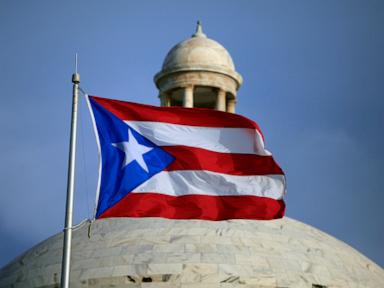
Puerto Rico just took a massive, expensive swing at clearing its darkest financial cloud. The federal control board overseeing the island's finances dropped a $3 billion settlement offer on the table, aiming to finally break a decade-long stalemate with bondholders of the Puerto Rico Electric Power Authority. This isn't just another dry legal filing. It is a desperate push to wrap up the largest municipal bankruptcy in American history, and it is going to affect everyone who turns on a light switch in the territory.
The Financial Oversight and Management Board for Puerto Rico made the announcement on June 30, 2026. They are offering a mix of cash and new bonds to creditors who hold a chunk of the power company's $10 billion debt. These specific bondholders have been holding out for years, pushing claims worth roughly $8.5 billion. By offering $3 billion, the board is significantly sweetening the pot. In fact, this new offer is $1.4 billion higher than what the board previously tried to get away with paying. Recently making headlines in related news: Why The Massive Us Stocks Quarterly Gain Should Make You Both Rich And Terrified.
It is a stark admission that the old strategy wasn't working. For years, the board tried to squeeze creditors with deep haircuts, but multiple rounds of mediation collapsed. Now, the board is burning through cash to buy its way out of court. Robert F. Mujica Jr., the board’s executive director, made the stakes clear when he stated that the island must close this chapter to move forward. He argues that fixing this debt is the only way residents will ever get reliable, affordable electricity. But there is a glaring question hanging over this multi-billion-dollar gamble, and it is one that local residents are rightly terrified about.
Where is the money coming from? Further details into this topic are covered by Investopedia.
The Mechanics of the Three Billion Dollar Offer
The details of the deal show exactly how hard the board is pushing to end this legal war. The $3 billion package isn't just straight cash out of a bank account. It is a combination of immediate cash payouts and the issuance of new restructuring bonds. The target audience here is the group of legacy bondholders who refused to sign earlier settlement agreements.
To understand why this matters, you have to look at the gap between what creditors want and what the board is offering. The holdout creditors are chasing $8.5 billion in claims. Getting them to accept $3 billion means they are still taking a massive loss on the chin. But it is a much softer blow than the previous offers. The extra $1.4 billion added to this proposal shows the board knows it lost some leverage in recent court rulings.
The board has already settled with several other creditor groups over the years, meaning parts of the previous debt architecture are locked in. This new pot of money is specifically designed to clear out the remaining opposition. If the holdouts bite, the legal gridlock ends. If they walk away, the island faces even more years of destructive litigation in federal bankruptcy court under Judge Laura Taylor Swain.
A Decade of Gridlock and Broken Modernization Plans
This mess did not happen overnight. Puerto Rico shocked the financial world back in 2015 when its government announced it couldn't pay a staggering $70 billion total debt load. The power company, known locally as PREPA or AEE, was the biggest single contributor to that disaster. Decades of political patronage, terrible management, and a complete failure to maintain physical infrastructure left the utility broke and broken.
Congress stepped in during 2016, passing the Puerto Rico Oversight, Management, and Economic Stability Act. That law created the federal oversight board, an unelected body with supreme power over the island's budgets. A year later, in 2017, Puerto Rico filed for bankruptcy.
Since then, the board has actually done a lot of heavy lifting. They have successfully resolved 12 different debt restructurings for various parts of the government. Those deals wiped out more than $55 billion in future debt payments over a 40-year window. They cut the central government's debt to a manageable level. They fixed the highway authority's books. But PREPA has always been the monster under the bed.
While other agencies settled, the power company's restructuring dragged on. Hurricanes Irma and Maria decimated the physical grid in 2017, exposing how vulnerable the system really was. Blackouts became a daily reality. The government eventually privatized the grid's operations, handing them over to a private consortium called Luma Energy, while a company called Genera PR took over the generation plants. Yet, the old debt remained like a ghost haunting the balance sheets, preventing the massive capital investments needed to build a modern, storm-proof grid.
Who Pays the Bill for the New Settlement Offer
Here is the most frustrating part of the board’s announcement. They admitted they have not yet identified the specific source of funding to back this $3 billion offer. That missing detail is sending shockwaves through Puerto Rico's business community and consumer advocacy groups.
When a public utility settles billions in debt, the money usually comes from somewhere in the system. If the board cannot find an outside funding mechanism or federal subsidy, the burden almost certainly falls on ratepayers. Puerto Ricans already pay electricity rates that are among the highest of any U.S. jurisdiction. At the same time, they suffer through chronic blackouts that ruin appliances, spoil food, and force businesses to run expensive diesel generators just to keep the lights on.
The fear is that the board will implement a transition charge on monthly power bills to fund the new bonds. Adding a debt surcharge to bills that are already suffocating local families is a dangerous economic move. It threatens to stifle commercial growth and drive more residents to flee to the U.S. mainland.
Why This Debt Deal Impacts Everyone on the Island
You cannot separate the financial bankruptcy from the physical failure of the grid. They are deeply linked. Potential investors look at Puerto Rico and see an unstable energy network, which makes them think twice about building factories, hotels, or corporate hubs on the island.
Local hospitals have to maintain massive backup power systems just to keep life-saving equipment running during routine grid failures. Small businesses, like corner grocery stores and restaurants, operate on razor-thin margins because their power bills eat up a disproportionate amount of revenue. If this settlement goes through and causes rates to spike further, we will likely see a wave of small business bankruptcies.
On the flip side, leaving the debt unresolved is also a disaster. Without a finalized bankruptcy plan, PREPA cannot issue clean bonds to fund major capital overhauls. It remains stuck in legal limbo, spending millions of dollars on lawyers and consultants instead of new transformers, substations, and clean energy initiatives. The board is gambling that a $3 billion hit today is better than endless decay tomorrow.
Next Steps for Puerto Rico and the Energy Sector
The ball is now in the court of the bondholders. They have to weigh this $3 billion cash-and-bond offer against the risk of continuing to fight in court. Judge Laura Taylor Swain has pushed both sides toward mediation for years, and her patience is not infinite.
If you are tracking the economic future of Puerto Rico, watch these three specific milestones over the coming months.
First, look for the official response from the main bondholder groups. Their legal teams will dissect the cash-to-bond ratio of the offer to see if the immediate liquidity is worth the haircut on their principal claims.
Second, monitor the public hearings held by the oversight board and the Puerto Rico Energy Bureau. Any attempt to sneak a new debt charge into the retail electricity rate structure will face fierce resistance from local activists and business coalitions.
Third, watch the pace of federal funding deployment from FEMA. Billions of dollars in federal disaster recovery funds are supposed to be rebuilding the grid. If the debt settlement aligns with a faster rollout of those federal funds, the physical transformation of the island's energy infrastructure might finally gain real momentum.
The oversight board wants everyone to believe this is the final piece of the puzzle. It might well be. But if the final piece fits poorly, the people of Puerto Rico will be the ones paying for it for the next four decades.