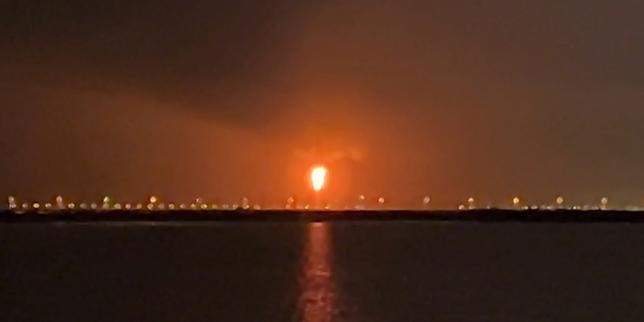
A massive blast rocked a Qatari gas complex today. The initial reports are grim. Official channels confirm 54 people are injured. Another 18 people remain missing. Emergency crews are on the scene fighting to control the situation.
When an energy hub of this scale suffers a catastrophic failure, the shockwaves travel far beyond the local blast radius. This isn't just a localized industrial accident. It's a stark reminder of how fragile our global energy infrastructure really is. Qatar supplies a massive chunk of the world's liquefied natural gas. Any disruption there sends immediate jitters through international markets.
Here is what we know about the situation right now, what it means for global energy stability, and why industrial safety in high-pressure gas facilities remains an incredibly dangerous game.
The Immediate Response and the Search for the Missing
Rescue teams are working against the clock. Search operations in a compromised gas processing facility are incredibly perilous. Secondary explosions are a constant threat. Hydrocarbon fires burn at extreme temperatures, making structural steel unpredictable.
The immediate priority is locating the 18 missing workers. Emergency medical units have set up temporary triage stations nearby to treat the 54 injured individuals. Most industrial gas explosions result in severe thermal burns, blast overpressure injuries, and inhalation of toxic fumes. Local hospitals are on high alert.
We don't know the exact root cause of the ignition yet. In facilities of this scale, even a minor leak in a high-pressure line can create an explosive vapor cloud in minutes. A single spark from static electricity or a faulty electrical component can trigger disaster.
Why Qatar Liquefied Natural Gas Infrastructure Matters
Qatar sits on top of the North Field. It's the largest non-associated natural gas field in the world. The country has invested hundreds of billions of dollars into building massive processing trains that turn raw gas into liquid for shipping.
Look at the global supply chain. Europe relies heavily on sea-borne gas shipments to keep its factories running and homes warm. Asia relies on it just as much. When a major Qatari complex goes offline or suffers a severe incident, traders instantly start recalculating available supply.
Industrial facilities usually have built-in redundancies. They can isolate damaged sections using automated safety valves. But a blast large enough to injure dozens of people suggests a catastrophic breach of primary containment. Repairing this kind of damage doesn't take days. It takes months.
The Reality of Managing High Pressure Hazards
Operating a gas complex means managing extreme forces. Natural gas is scrubbed of impurities, compressed, and cooled down to minus 162 degrees Celsius to become a liquid. The engineering required to do this safely is mind-boggling.
Safety systems are supposed to prevent these events. You have multiple layers of protection. There are gas detectors, automated deluge systems, and emergency shutdown loops. Yet, accidents still happen.
History shows that industrial disasters in the energy sector usually stem from a combination of factors. It's rarely just one broken pipe. It's often a mix of mechanical fatigue, sensor failure, or a slight delay in executing an emergency shutdown. Investigators will spend months analyzing telemetry data to find out exactly where the barrier failed.
Market Repercussions and Supply Alternatives
Energy markets react to uncertainty instantly. Gas futures prices often spike the moment news of an explosion breaks. Buyers start scrambling for alternative cargoes from the United States, Australia, or North Africa.
For countries that rely on long-term contracts with Qatar, this incident introduces massive operational anxiety. If a facility suffers prolonged downtime, force majeure clauses might be invoked. That leaves buyers exposed to the volatile spot market.
The timing makes this even more complicated. Global supply chains are already stretched thin. There's very little spare capacity in the global LNG shipping fleet or at alternative export terminals. A sustained outage in Qatar means higher energy costs for consumers down the line.
Next Steps for Global Energy Managers and Operators
If you manage supply chains or operate high-risk industrial assets, an incident like this requires immediate reflection and action.
Review your supply chain diversification. Relying too heavily on a single geographical source for critical energy inputs is a massive operational risk. You need to ensure you have flexible supply agreements that allow you to pivot to alternative suppliers when a crisis hits.
Audit your own asset integrity programs. If you operate processing infrastructure, treat this event as a warning sign. Re-examine your pressure relief systems, update your vapor cloud modeling, and run unannounced emergency response drills. Complacency in high-hazard environments is fatal.
Monitor official updates from the Qatari energy ministry and international shipping logs. The true scale of the infrastructure damage will become clearer over the next forty-eight hours as fire crews finish cooling down the site and investigators get access to the hot zone. Stay prepared for prolonged market volatility.