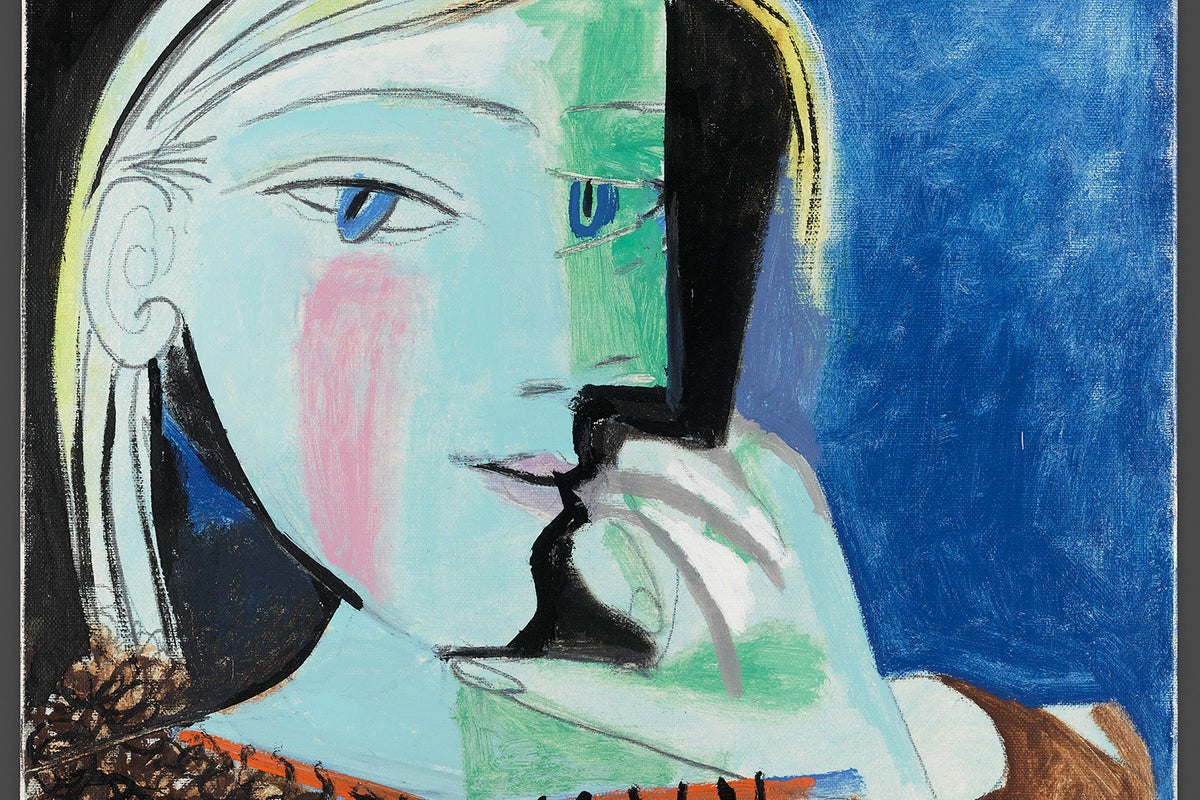
Imagine kicking down the door of a suspected drug trafficker expecting a pile of hashish, only to find yourself staring at an unrecorded masterwork by Pablo Picasso worth 15 million euros. That is exactly what happened to French narcotics officers in June 2026. During a targeted raid in the Paris suburb of Ormesson-sur-Marne, the Brigade des Stupéfiants expected to break up a standard regional drug ring. They walked away with 17 kilograms of cannabis, bundles of cash, a fortune in designer clothes, and a museum-grade masterpiece that the owner did not even know was missing.
The find exposed an uncomfortable reality about the criminal underworld. High-value art is no longer just for eccentric billionaires. It has become a dark liquidity asset for drug syndicates.
Inside the Suburb Raid That Shocked the Art World
On June 15, 2026, French police executed a search warrant at a home belonging to the aunt of a 37-year-old suspected narcotics dealer. The house, located in a quiet residential zone southeast of Paris, looked entirely unremarkable from the outside.
Inside, the scene told a different story. Officers quickly uncovered a sizable distribution hub. They seized 17 kilograms of cannabis resin, roughly 7,000 euros in cash, and high-end designer clothing valued at over 200,000 euros. Then they found the canvas. Wrapped without the hyper-specialized climate controls required for multi-million dollar art, the painting sat tucked away among the contraband.
The public prosecutor’s office in Créteil launched an immediate investigation into high-value theft alongside the narcotics charges. Experts from the Alliance Police Nationale quickly authenticated the piece. It is an original 1937 portrait of Marie-Thérèse Walter, Picasso’s famous "golden muse" and mistress. The piece is valued conservatively between 12 million and 15 million euros.
The Inside Job That No One Noticed
The story behind how the painting got there reveals a massive security breakdown. The 37-year-old suspect was not an art heist mastermind who disabled laser grids or dropped from a ceiling. He was an ordinary security guard.
He worked at a private art storage facility in Paris. The facility held pieces for wealthy international investors, including the rightful owner of this specific Picasso, a woman based in Singapore. Because the painting sat in deep storage inside a high-security depot, the owner assumed it was perfectly safe. She had no idea her asset had left the building. The theft had not even been reported to the police.
When interrogated, the guard offered a bizarre defense. He admitted to taking the Picasso but claimed he did it simply to expose flaws in his employer's security setup. He wanted to show them how easy it was to walk out with a masterpiece. The Créteil prosecutor's office did not buy the story. They slapped him and three accomplices with charges of grand theft, concealing stolen goods, and narcotics trafficking. A full trial is set to begin in August 2026.
Why Drug Cartels Value Stolen Masterpieces
People often wonder what a street-level drug ring plans to do with a known, authenticated Picasso. You cannot exactly sell a hot 15 million euro painting on the open market without attracting every intelligence agency in Europe.
The reality is that criminals use fine art as an alternative currency. In the underground banking networks used by international syndicates, a physical asset that holds massive value in a small, portable frame is incredibly useful.
- Underground Collateral: Large drug shipments require massive upfront capital. Cartels frequently trade stolen masterpieces back and forth as collateral for tons of cocaine or hashish moving across borders. No banks are involved, and no digital footprints are left behind.
- Value Density: A 15 million euro painting can weigh less than a few pounds. It is far easier to conceal and move across an international border than a pallet containing 15 million euros in paper bills.
- The Ransom Strategy: Some syndicates steal high-value art with the explicit intent of selling it back to insurance companies or private owners for a fraction of its value, known as a "finder's fee" or a dark market ransom.
Protecting Your Investments in Private Storage
If you own high-value collectibles or art pieces stored in private facilities, this Paris raid should serve as an immediate wakeup call. Internal threats are often far more dangerous than external robberies.
You must take active steps to ensure your assets actually remain where they belong. Do not rely entirely on the reputation of a storage firm.
First, demand regular, independent physical audits. Storage facilities should provide timestamped, biometric verification of your specific crate or vault. Never accept simple digital spreadsheet updates as proof of possession.
Second, look into specialized asset tracking technology. Modern collectors use low-frequency, non-invasive smart tags embedded inside the backing frames of high-value canvases. These tags do not damage the artwork but will instantly alert the owner via secure satellite networks if the physical asset moves outside an authorized geofenced perimeter.
Third, maintain independent insurance policies that require the storage facility to undergo unannounced third-party security reviews. If a facility refuses to allow outside auditors to verify their internal access logs, move your collection immediately. The French police got lucky in Ormesson-sur-Marne, but the next stolen masterpiece might disappear into an underground cartel vault forever.