Everyone thinks they know how to pack for a long drive. You grab some chips, throw a few t-shirts in a duffel bag, queue up a playlist, and think you're good to go.
You're usually wrong.
Most people pack for the best-case scenario. They pack for sunny skies, perfect asphalt, and zero traffic. But real road trips don't work that way. Tires blow out. Radiators overheat. Phones lose signal in the middle of nowhere, leaving you stranded without a map or a clue. Having the right summer road trip essentials isn't about luxury or convenience. It's about survival, safety, and keeping your sanity intact when things go sideways.
Let's talk about what actually belongs in your car before you back out of the driveway.
The mechanical summer road trip essentials you are probably ignoring
Your car is the most important piece of gear you have. If it breaks, the trip is over. Yet most drivers barely check their oil before driving a thousand miles in scorching heat.
Summer heat ruins vehicles faster than winter cold. High asphalt temperatures destroy weak tires and stress your cooling system to its absolute limit. You need a dedicated vehicle prep kit stashed under your seat or in the trunk.
First, buy a real tire pressure gauge. The cheap plastic stick ones are garbage. Get a digital gauge or a dial gauge. Check your tire pressure in the morning when the rubber is cold. Under-inflated tires flex more, build up massive heat on hot highways, and eventually blow out. Don't forget to check the spare tire too. A flat spare is useless.
You also need a portable jump starter. Traditional jumper cables are fine, but they require another car to help you. If you're stranded on a desolate stretch of highway at 2:00 AM, you might wait hours for a friendly stranger. A lithium-ion battery pack allows you to jump your own car alone. Look for one rated for your engine size. Most standard cars do fine with a 1000-amp starter, while larger trucks need more juice.
Keep a small bottle of coolant and a quart of matching engine oil in the trunk. If your radiator starts smoking, letting the engine cool completely and topping off the fluid can get you to the next mechanic without a massive towing bill.
Emergency gear that actually saves lives
Skip the generic, cheap first-aid kits sold at grocery stores. They contain three band-aids, some cheap tape, and nothing else. Build or buy a medical kit designed for trauma and real emergencies.
You want heavy-duty shears to cut through seatbelts if necessary. Pack sterile gauze pads, medical tape, antiseptic wipes, and a pair of tweezers for extracting splinters or ticks. Pack pain relievers like ibuprofen or acetaminophen. Driving for six hours with a blinding headache is dangerous.
Include a high-intensity flashlight. Your phone light is too weak and drains your battery. A dedicated flashlight with a magnetic base lets you stick it to the underside of your hood while you work with both hands free.
Throw an old towel and a pair of work gloves into the spare tire well. Changing a tire on 120-degree asphalt without gloves will blister your hands instantly. The towel gives you something to kneel on so you don't burn your knees on the roadside dirt.
Smart cabin comfort items that keep everyone sane
The interior of a car gets small very quickly. Tempers flare when people get hot, sticky, and bored.
Sunshades are mandatory. Get a custom-fit reflective shade for the front windshield. When you pull over for lunch, put it up immediately. It drops the interior cabin temperature by dozens of degrees and prevents your steering wheel from turning into a hot frying pan.
Bring physical wet wipes and microfiber cloths. Eating road food leaves grease on your fingers. That grease transfers to the steering wheel, your phone screen, and the dashboard. It gets disgusting. A quick wipe down keeps the space feeling clean and fresh.
Invest in a solid phone mount that attaches to your dashboard or vent. Holding your phone while navigating is illegal in most places and incredibly dangerous. Position it right below your line of sight so you can glance at turns without taking your eyes off the road.
Food and hydration strategies that go beyond cheap snacks
Gas station food is tempting. It's also full of sodium and sugar, which makes you sluggish, bloated, and sleepy behind the wheel.
Bring a high-quality cooler. Rotomolded coolers keep ice frozen for days, though a good soft-sided cooler works fine for shorter weekend trips. Freeze gallons of water ahead of time instead of buying bags of ice cubes. The large blocks melt much slower and give you ice-cold drinking water as they thaw.
Pack real food. Hard-boiled eggs, cheese sticks, apples, grapes, and pre-cut vegetables keep your energy stable. If you want savory snacks, choose nuts or beef jerky over potato chips.
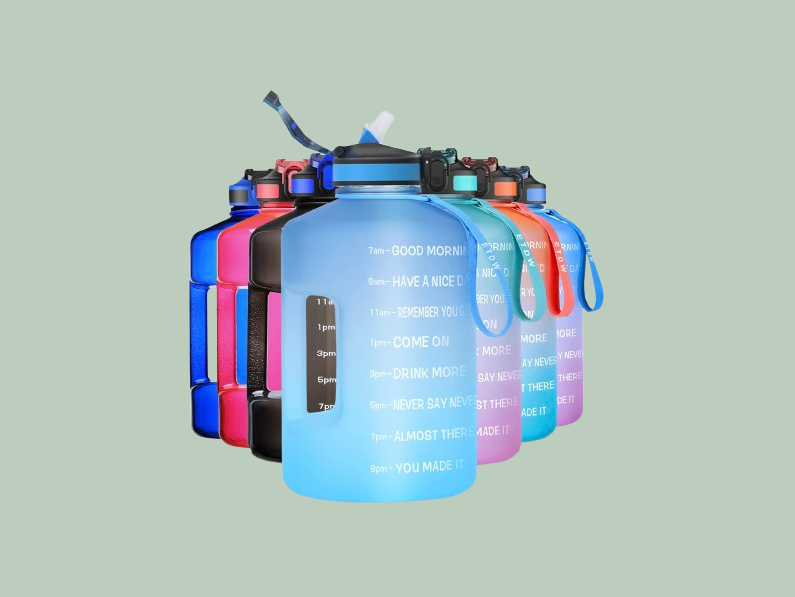
Always carry more water than you think you need. Keep a gallon of plain water in the back just for emergencies. If you break down in the desert heat, that water becomes your lifeline while waiting for assistance.
Navigational backup plans when the signal drops
We rely completely on GPS. But cellular networks disappear when you enter deep valleys, national parks, or remote rural areas.
Download your route offline before leaving home. Both Google Maps and Apple Maps let you select massive geographical areas to save directly to your phone's storage. Your phone's GPS chip works independently of cell towers, so you can still track your location on the downloaded map even with zero bars of signal.
Buy a physical road atlas. It sounds old-fashioned. It works. A paper map never runs out of battery, never loses signal, and gives you a macro view of the terrain that small phone screens can't match. Plus, it helps you spot interesting scenic detours you might otherwise blow right past.
Your immediate checklist before turning the key
Stop planning and start doing. Walk out to your car right now and handle these four specific tasks before your trip begins.
- Clean the inside of your windshield with glass cleaner. A film of dust builds up over time. You won't notice it during the day, but when you drive directly into a setting summer sun, that film creates a blinding glare.
- Check the manufacture date on your spare tire. If it's more than six years old, the rubber might be degraded, even if it has never touched the road. Replace it if necessary.
- Test your windshield wipers. Summer storms bring sudden, torrential downpours. If your wiper blades leave streaks or chatter against the glass, change them immediately.
- Check your cabin air filter. If your air conditioning feels weak or smells musty, a clogged filter is usually the culprit. Replacing it takes five minutes and makes the cabin much colder.