The transatlantic alliance is fraying, and it isn't happening behind closed doors. US President Donald Trump just blew up his relationship with one of his closest European allies, Italian Prime Minister Giorgia Meloni. It's a public, messy feud, and it's all centered around the aftermath of the military conflict with Iran and the upcoming nuclear negotiations in Switzerland.
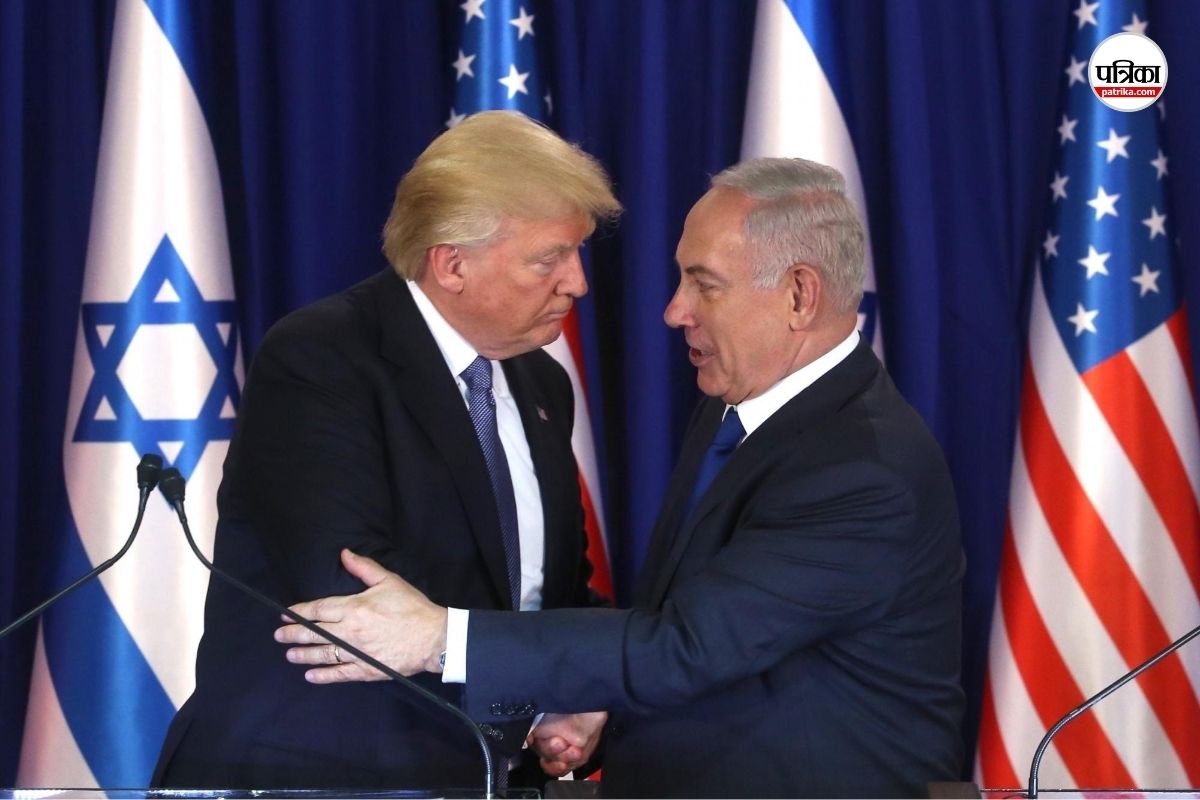
If you think this is just standard political theater, look closer. The fallout between Washington and Rome highlights a massive rift in how the West plans to handle Tehran. Trump wants total compliance from NATO allies. Meloni is drawing a hard line to protect Italian interests. Meanwhile, Israeli Prime Minister Benjamin Netanyahu remains adamant that Iran will never be allowed to develop a nuclear weapon, even as a fragile peace framework takes shape.
The Logistical Friction Behind the Fallout
Trump took to Truth Social to air his grievances, and he didn't hold back. He directly accused Italy of blocking US military forces from using Italian airfields and runways during operations against Iran. Trump called it a "great logistical inconvenience" and questioned why the US spends trillions on NATO when allies refuse to step up during a crisis.
"For decades, we defend them, when tested, they are not there to defend us, and the rest of the World. Not good!" - Donald Trump
This isn't just about military logistics. It's a deep-seated frustration over burden-sharing. Trump feels the US carried the heavy lifting to force Iran to the negotiating table, while European allies sat on the sidelines.
Meloni didn't take the criticism lying down. She shot back on social media, calling Trump's accusations "senseless" and "completely made up." The diplomatic spat got so bad that Italian Foreign Minister Antonio Tajani canceled a planned trip to Washington, calling the comments offensive.
Photo Ops and Popularity Contests at the G7
The tension between Trump and Meloni reached a boiling point during the G7 summit in France. Trump claimed that Meloni repeatedly begged him for a photograph to boost her flagging domestic popularity. He suggested her poll numbers are dropping precisely because she refused to back the US strategy against Iran's nuclear program.
Meloni's response was biting. She explicitly stated that being Trump's friend hadn't helped her popularity at home. Instead, she emphasized that her standing depends entirely on her ability to defend Italy's national interests, not her relationship with Washington.
Italy even suspended a defense pact with Israel earlier, signaling its discomfort with how the conflict in the Middle East was being handled. Meloni has been walking a tightrope, trying to balance Italy's traditional alliances with a growing domestic resistance to global military entanglements.
Netanyahu and the Reality of the Iran Nuclear Deal
While Trump and Meloni trade barbs over airfields and photo ops, Benjamin Netanyahu is facing his own political reality. The US and Iran recently reached a framework peace deal to halt the 15-week conflict. Part of the agreement includes an immediate 60-day period of intensive technical talks in Geneva to address Iran's nuclear enrichment.
Trump claims that Iran has "agreed to never have a nuclear weapon." But Netanyahu is skeptical. The Israeli leader has consistently warned that any deal freezing the battlefield leaves Iran's nuclear ambitions intact. For Netanyahu, a deal that doesn't completely dismantle Tehran's nuclear infrastructure is a failure. He's under immense pressure from his own right-wing coalition partners, who view the US-led diplomatic pivot as a dangerous compromise.
What Happens Next
The technical talks in Switzerland are moving forward despite the public bickering among Western leaders. The focus shifts to concrete verification steps.
- Basing Rights and Logistics: The US will likely put pressure on other European nations for future military access, bypassing uncooperative allies.
- Sanctions and Oil Flow: Negotiators are trying to finalize terms to keep the Strait of Hormuz open and stabilize global oil markets.
- Nuclear Inspection Protocols: UN inspectors are preparing to return to Iranian sites to verify uranium stockpiles, a move Israel will watch with intense scrutiny.
The alliance isn't broken, but the terms of engagement have shifted. Washington expects total alignment during a conflict, while Rome and other European capitals are increasingly willing to say no when their own regional stability is on the line.