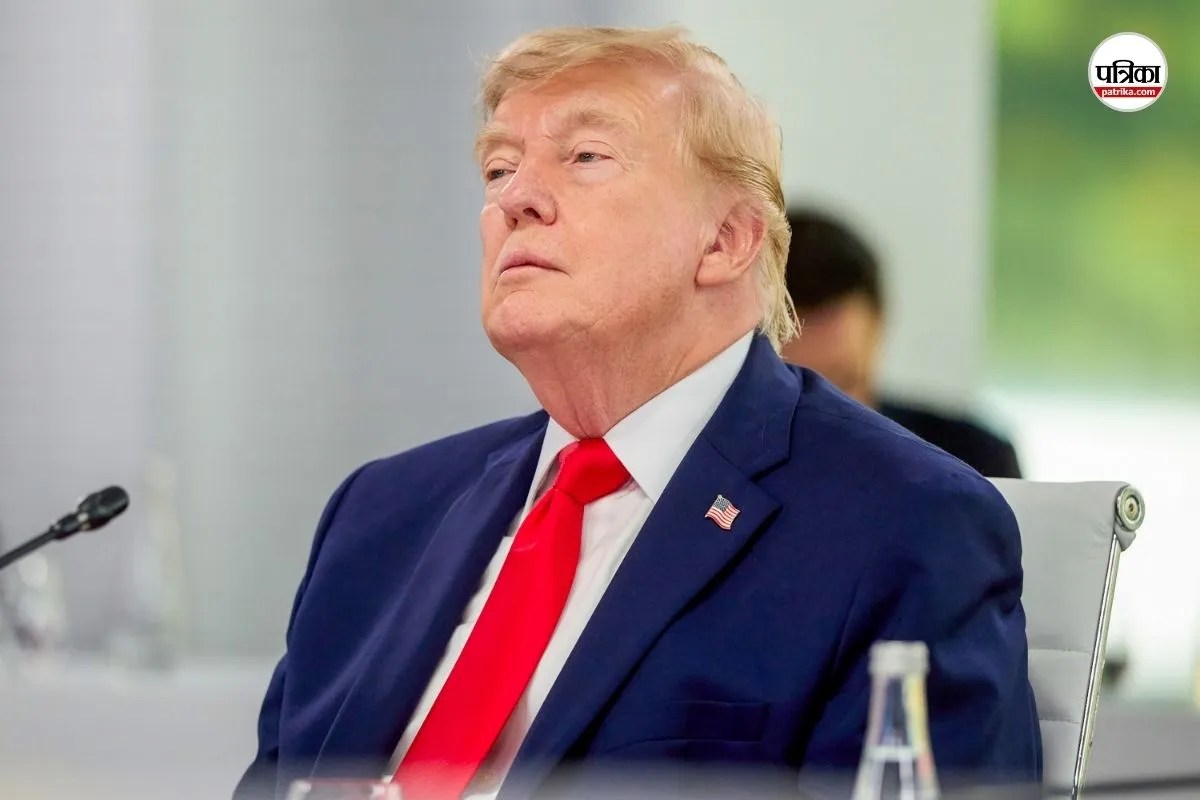
Donald Trump just flipped the script on Western defense policy. Standing next to Turkish President Recep Tayyip Erdogan at the NATO summit in Ankara, Trump dropped a bombshell that caught official Washington completely off guard. The United States will lift its long-standing sanctions on Turkey and actively consider selling them F-35 stealth fighter jets again. It's a massive shift. It reverses years of rigid American policy. It also sets up an explosive showdown involving Congress, Israel, and Russia.
If you've been following global defense, you know this relationship was supposed to be completely broken. Turkey bought a Russian missile system. The US threw them out of the F-35 program. Sanctions followed. Done deal, right? Not under Trump. By praising Turkey’s loyalty over traditional European allies, Trump isn't just fixing a broken defense partnership. He’s redrawing the geopolitical map of the Middle East and Europe.
The Reality Behind the F-35 Drama
To understand why this announcement is causing absolute panic in foreign policy circles, look at how we got here. Back in 2019, Turkey did something that defense experts called unthinkable for a NATO ally. They bought the S-400 air defense missile system from Russia.
Washington went into immediate lockdown. The Pentagon argued that operating a top-tier Russian radar system right next to America's most advanced stealth fighter was a catastrophic security risk. They feared the Russian system would learn how to track the F-35, effectively feeding data back to Moscow. So, the US kicked Turkey out of the multinational F-35 program. They froze the five jets Turkey already secured. They slapped sanctions on Turkey’s main defense procurement agency under a law known as CAATSA.
Trump’s recent declaration changes everything. "We're going to be taking the sanctions off," Trump told reporters in Ankara. He followed up by saying the F-35 is something the US will "certainly consider" restoring. He explicitly noted that Turkey has been much more loyal than other traditional allies.
This isn't just about selling hardware. It's about who Trump trusts. He’s openly signaling that he values personal relationships with strong leaders like Erdogan over the institutional consensus of NATO bureaucracy.
The Legal Mountain Trump Has to Climb
Trump wants the deal done. Erdogan expects it. But wishing for it doesn't make it legal under American law. Trump faces a massive wall of opposition inside his own capital.
The 2020 National Defense Authorization Act explicitly prohibits the Pentagon from transferring F-35 aircraft to Turkey. The law is crystal clear. As long as Turkey possesses or operates the Russian S-400 system, no jets can move. Bipartisan lawmakers in Congress passed these rules with veto-proof majorities. They aren't going to back down easily just because the White House changed its mind.
Right now, six Turkish-owned F-35 jets are literally sitting in storage facilities inside the United States. Turkey already paid roughly $1.7 billion into the development program. That money is still sitting in US hands. Turkey wants its planes or its cash back.
Defense Secretary Pete Hegseth and Secretary of State Marco Rubio are currently scrambling to find a loophole. Foreign policy insiders mention one solution gaining traction behind closed doors. Turkey could transfer its S-400 system to a neutral third country. That sounds great on paper. It satisfies the legal requirement of getting the Russian tech out of Turkey.
There's a massive catch. Weapons sales come with strict end-user certificates. Russia explicitly forbids Turkey from giving that system to anyone else without Moscow's direct permission. Why would Vladimir Putin hand Trump a diplomatic victory by letting Turkey swap Russian missiles for American stealth fighters? He won't.
Why Israel is Furious About the Deal
The loudest pushback isn't coming from Washington. It's coming from Jerusalem. Israel has spent decades maintaining a strict military edge over every other nation in the Middle East. That edge depends entirely on Israel being the only power in the region flying the F-35.
Israeli Prime Minister Benjamin Netanyahu immediately went on the offensive following Trump's comments. He stated bluntly that an F-35 sale to Turkey would destroy the balance of power in the Middle East. Netanyahu pointed out that Erdogan has frequently taken aggressive public stances against Israel.
If Turkey gets the F-35, Israel loses its ultimate insurance policy. Israeli defense strategists are already working the phones to their allies in Congress. They want to ensure the legislative blockade against Turkey stays fully intact. Trump prides himself on being an incredibly pro-Israel president, but his desire to reward Erdogan's loyalty is putting those two impulses on a direct collision course.
What Happens Next for Global Security
This isn't a problem that will resolve itself over a weekend. It's going to drag out into a bitter political fight. If you're watching this play out, keep your eyes on three specific pressure points.
First, watch the US Congress. Rubio and Hegseth will have to present a formal certification proving Turkey no longer poses a risk to the F-35 program. If they try to bypass Congress using emergency executive powers, expect immediate lawsuits and legislative retaliation.
Second, watch Turkey's domestic defense industry. Erdogan isn't putting all his eggs in America's basket. Turkey is actively developing its own domestic fifth-generation fighter jet, the KAAN. During the summit, Erdogan explicitly mentioned discussing jet engine sales with Trump to power the KAAN project. Turkey wants American tech, but they are building a future where they don't have to beg Washington for permission to defend themselves.
Finally, keep an eye on NATO's broader spending goals. This summit in Ankara was meant to force European nations to step up their military investments, targeting a massive five percent of GDP on defense by 2035. Trump is using the Turkey deal as a cudgel to show underperforming European allies what happens when they don't show total loyalty.
Do you want to see how this impacts global defense markets? Keep a close watch on the upcoming defense industry forum outcomes in Ankara. The contracts signed over the next few weeks will tell you exactly where global military alliances are actually heading.