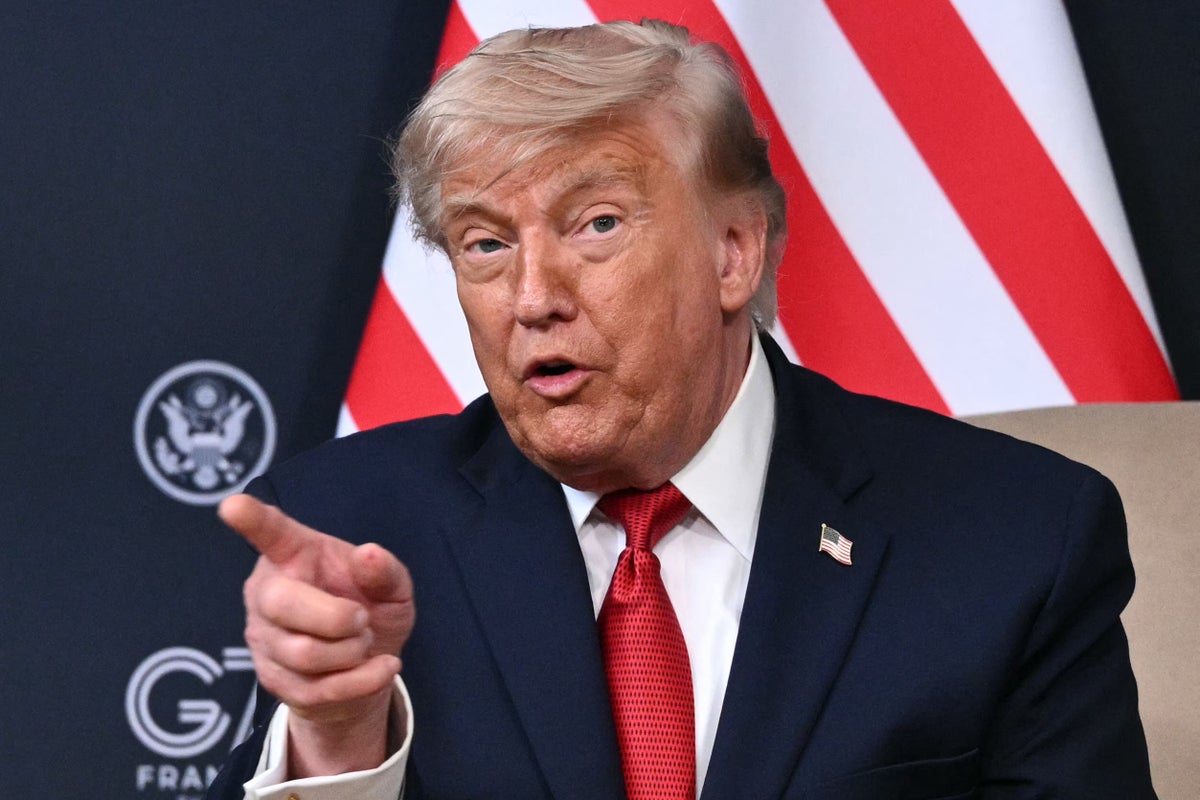
Donald Trump just threatened to wipe Iran off the map if they block the world’s most critical oil chokepoint. Speaking to Fox News, he claimed he told Iranian officials that if they close the Strait of Hormuz, they "won't even make it back to your f***ing country."
This isn't just standard campaign-trail bluster. This is happening right now while Vice President JD Vance is actively sitting across from Iranian negotiators in Bürgenstock, Switzerland, trying to lock in a permanent ceasefire.
The whiplash between Vance’s diplomatic language—talking about wanting to "turn over a new leaf"—and Trump’s raw, profanity-laced threats reveals the dangerous, dual-track reality of current US foreign policy. Trump didn't just threaten war. He laid out a wild, transactional plan to seize physical control of the Strait, charge international transit tolls, and pocket 20% of the oil flowing through it.
To understand why this matters, you have to look past the explicit language and look at the actual leverage points driving this sudden escalation.
The Financial Reality of the 2026 Energy Crisis
The geopolitical landscape fractured on February 28, 2026, when the US and Israel launched an air war under Operation Epic Fury, assassinating Iran’s Supreme Leader Ali Khamenei. Iran’s immediate retaliation was economic warfare: shutting down the Strait of Hormuz using naval mines, drone swarms, and fast-boat swarm tactics.
The resulting economic shockwave triggered the largest single-month spike in crude oil prices in history.
[Global Energy Chokepoint: The Strait of Hormuz]
- Daily Transit Capacity: ~17-19 million barrels of crude oil
- Economic Profile: 20-30% of global liquefied natural gas (LNG) and total petroleum liquid consumption
- Alternative Routes: Limited pipelines via Saudi Arabia/UAE, incapable of handling full maritime volume
Skyrocketing fuel prices immediately hammered American consumer sentiment, putting massive domestic political pressure on the White House. While Trump publicly brags that Iran's military is already destroyed, the reality is that the Iranian Revolutionary Guard Corps (IRGC) still holds a functional veto over global energy markets through localized asymmetric capabilities.
The Collision in Switzerland
Last week's temporary Memorandum of Understanding signed at the Palace of Versailles bought 60 days of breathing room. The US agreed to lift its naval blockade of Iranian ports and issue sweeping Treasury Department waivers allowing Tehran to export oil directly to global buyers, including China. In exchange, Iran committed to down-blending its 440-kilogram stockpile of highly enriched uranium under UN supervision.
But the diplomacy is already coming unglued over Lebanon.
Tehran claims the US failed to enforce the corresponding ceasefire between Israel and Hezbollah. When Israeli forces continued operations in southern Lebanon, Iran declared the Strait closed again.
While US Central Command insists that over 50 commercial vessels carrying 17 million barrels safely transited the waterway this weekend, the mere threat of a re-closure sent shipping insurance rates soaring by 400%.
When Iranian President Masoud Pezeshkian publicly doubled down, stating Iran would never surrender its right to enrich uranium, Trump lost his temper. He warned Pezeshkian to "watch his mouth" or face a total US takeover of the entire country.
The Toll Booth Strategy
Trump’s proposed solution to the crisis isn't a traditional military occupation. It's an aggressive corporate shakedown of international shipping lines.
He frames the United States military as the "Guardian Angel" of the Middle East, arguing that Washington should be retroactively compensated for decades of securing global supply chains. If negotiations collapse, the administration plans to deploy naval assets to physically seize the shipping lanes, establishing a mandatory toll system.
The math behind the proposal is staggering. Trump wants to collect a fee equal to 20% of the value of every single oil cargo passing through the passage.
For context, with roughly 19 million barrels of oil moving through the channel daily, a 20% tariff at current market prices would extract billions of dollars per week directly from global energy consumers—chiefly European allies and China.
Senator Lindsey Graham backed this strategy, confirming that if the Swiss diplomatic track fails, the administration is prepared to use overwhelming force to establish a permanent, revenue-generating American outpost inside the waterway.
What Happens Next
The immediate fallout of Trump’s outburst was felt instantly in Switzerland. The Iranian delegation temporarily walked out of the Bürgenstock resort, citing the insulting language from Washington. While Qatari and Pakistani mediators managed to pull both sides back to the table for technical talks, the structural trust is completely gone.
Iran has made its terms clear. They will not negotiate on the broader nuclear framework or long-term maritime security until two things happen:
- The US forces a complete cessation of Israeli military actions against Hezbollah in Lebanon.
- The promised economic relief from the un-frozen assets and oil waivers physically hits Iranian bank accounts.
If you are tracking this crisis, watch the insurance markets and the deployment schedules of US carrier strike groups in the Gulf. If the 60-day Versailles window expires without a signed technical agreement, the transition from a diplomatic standoff to a hot war over international trade routes will happen overnight. Expect immediate volatility in energy futures if the technical talks in Switzerland stall later this week.