The war for Ukraine isn't just happening on the muddy frontline trenches of Donetsk. It's playing out in black-and-white drone feeds over the Sea of Azov and in the burning skies over the capital.
Kyiv just endured another brutal aerial assault. Russia pounded the capital city with an overwhelming mix of ballistic missiles, hypersonic weapons, and strike drones. The attack killed 14 people in the Kyiv region, left dozens injured, and tore through residential neighborhoods. But to understand why Moscow unleashed this latest wave of fury, you have to look at what Ukraine did to Russia's economic lifeline just 24 hours prior.
Ukraine's Unmanned Systems Forces just pulled off one of the most coordinated maritime drone operations of the war. They hunted down and struck eight sanctioned tankers belonging to Russia's notorious "shadow fleet" in a single night. Led by Robert "Magyar" Brovdi's 414th Separate Brigade, the strikes successfully targeted a critical fuel pipeline feeding the Russian military machine in occupied Crimea.
The Night the Shadow Fleet Burned
Let's look at the numbers because they tell the real story here. The Unmanned Systems Forces didn't just hit random boats. They systematically picked apart the Azov–Crimea fuel route.
The targets were large, specialized vessels:
- Vessel Class: Each tanker measures roughly 140 meters in length.
- Capacity: A deadweight of around 7,000 metric tons per ship.
- The Fleet: Identified vessels include the Venera-3, Sanar-1, Sanar-17, Klimena, Teti, Alexei Savrasov, and Penelopa.
When you fully load eight tankers of this size, you're looking at 40,000 to 50,000 tons of gasoline and petroleum products. By striking these vessels alongside a dry cargo ship and a transport ferry, Ukraine disrupted the exact logistics network keeping Russian tanks, trucks, and jets moving in the south.
Why does this matter? Crimea is already under a state of emergency due to severe fuel shortages caused by previous Ukrainian strikes on oil refineries and depots. If you choke out the fuel, you immobilize the army.
Moscow's Retaliation Shatters the Capital
Whenever Ukraine scores a massive logistical win, Russia strikes back at civilian centers. It's a predictable, tragic pattern.
The subsequent bombardment of Kyiv was massive. According to the Ukrainian Air Force, Russia deployed a staggering arsenal across the country: 68 missiles—including 23 ballistic missiles and six hypersonic missiles—alongside 351 strike drones. While Ukrainian air defenses performed exceptionally well against the drones and cruise missiles, the ballistic and hypersonic weapons proved nearly impossible to stop without advanced Western systems.
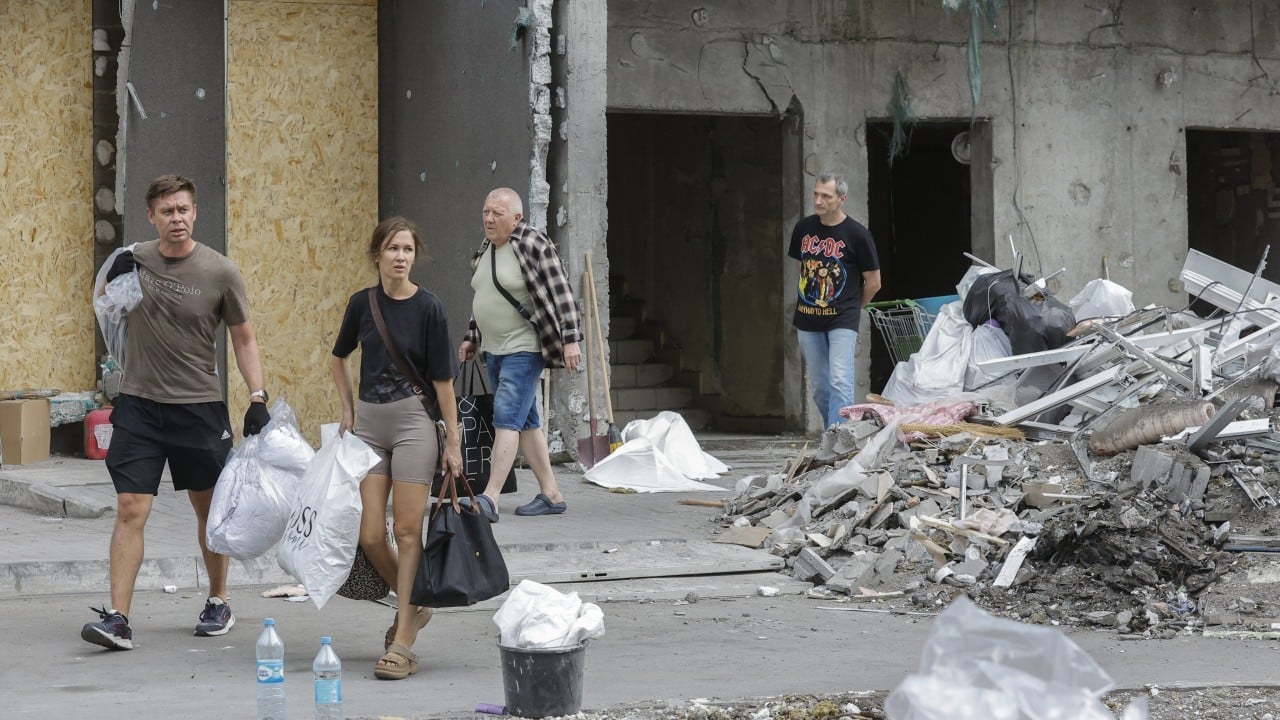
The aftermath in Kyiv was devastating. More than 30 residential buildings were damaged, apartment blocks were ripped open, and thick black smoke filled the sky as rescue crews dug through the rubble.
What Most People Get Wrong About the Shadow Fleet
There's a common misconception that sanctions completely stop Russia from trading oil. They don't. The "shadow fleet" is a clandestine network of older, aging tankers operating under opaque ownership and foreign flags. They sail without Western insurance, specifically designed to bypass international price caps and restrictions.
By hitting these vessels directly, Ukraine is doing what international diplomacy couldn't: physically halting the transit of sanctioned Russian energy.
[Visualizing the Logistics Chokehold]
Russia Ports ---> Sea of Azov (Tankers Hit) ---> Kerch Strait ---> Occupied Crimea
President Volodymyr Zelensky used the timing of these events to make a direct appeal at the NATO Summit Defence Industry Forum in Ankara. His message was simple: Ukraine needs Patriot air defense systems immediately to stop ballistic missiles, and the West needs to greenlight joint drone production.
Actionable Next Steps for Tracking the Conflict
If you are following the geopolitical and economic impacts of this escalation, keep your eyes on these specific indicators over the coming weeks:
- Monitor Crimea's Fuel Infrastructure: Watch for reports of expanding energy rationing or prolonged states of emergency in the occupied peninsula. This will reveal the true lasting damage of the tanker strikes.
- Track NATO Summit Deliveries: European NATO members and Canada have hinted at a €70 billion military assistance package for 2026 and 2027. Watch whether this translates into immediate Patriot missile system transfers to protect Kyiv's airspace.
- Watch Shipping Insurance Markets: Direct military strikes on the shadow fleet raise the risk profile for rogue shipping operations. Look for shifts in how maritime insurers handle black-market vessels in the Black Sea and Sea of Azov regions.