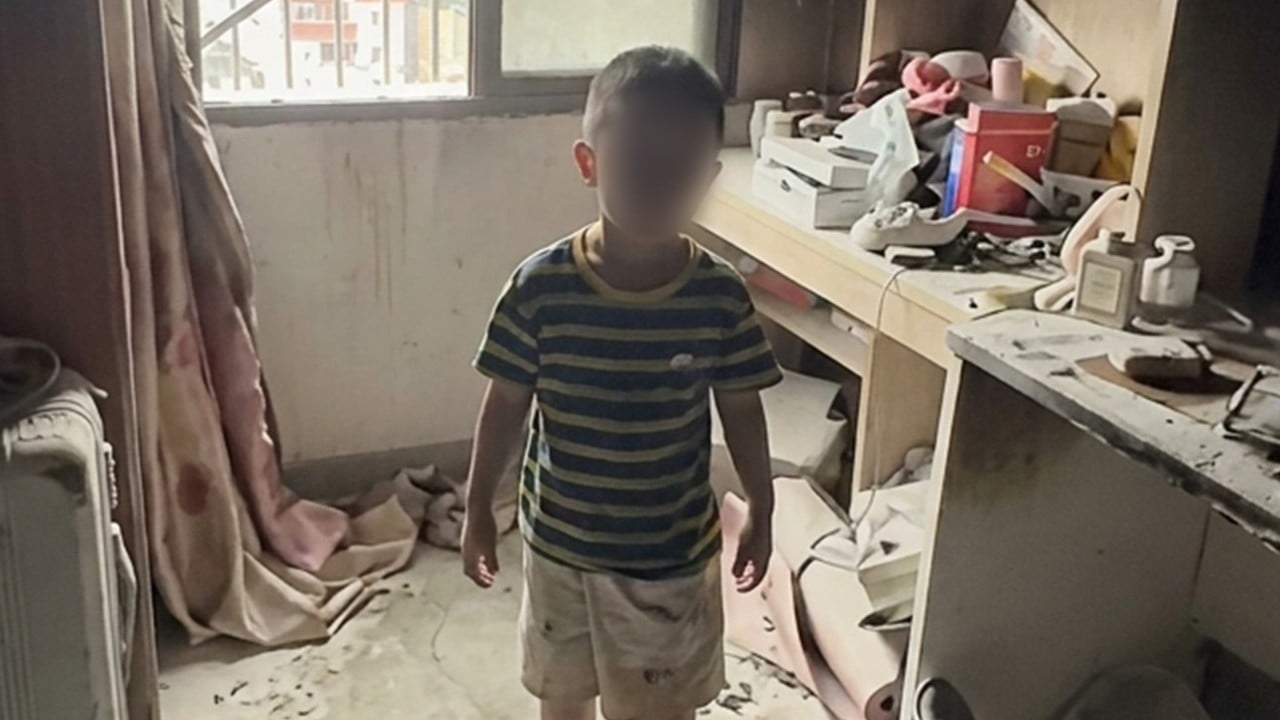
Imagine waking up to the smell of burning plastic and thick smoke. You rush out of bed to find your living room blackened and your home workshop completely destroyed. Right there on the floor are the charred remains of nearly 30 smartphones. Over half of them are expensive iPhones.
Your five-year-old son is standing nearby, covered in soot. He caused the whole thing. Recently making waves recently: Why Plato Would Hate Your College Degree.
You just lost 200,000 yuan, which is about $30,000 USD. To make things worse, you don't have insurance. Every single cent of that financial hit is coming directly out of your own pocket.
What is your immediate reaction? Do you scream? Do you lose your temper? Further information into this topic are explored by Vogue.
A father named Peng in Shenzhen, China, faced this exact nightmare. His reaction didn't involve screaming at all, and it has sparked a massive online conversation with over 50 million views on Chinese social media. Instead of losing his mind over a massive financial disaster, he chose a completely different path. It's a reaction that highlights a dramatic shift in how modern parents handle major mistakes.
The Fire That Sparked a Viral Phenomenon
Peng runs a mobile phone business in Shenzhen. Like many small business owners, he used a section of his home as a practical workshop to repair and store devices.
The trouble started when his five-year-old son noticed sparks coming from a faulty, short-circuiting power strip. Instead of running away, curiosity took over. The boy grabbed a tissue and held it near the sparks.
It ignited instantly.
The flames spread with terrifying speed. Within minutes, the home workshop caught fire, consuming the stock of inventory.
But the boy's behavior during the fire reveals a strange, touching mix of childhood logic and genuine care. Seeing the flames grow, he worried the smoke would disturb his sleeping father. His solution? He quietly closed Peng's bedroom door, turned on the bedroom air conditioner to keep his dad comfortable, and then ran to hide in another room.
Peng eventually woke up to the smell of heavy smoke and managed to put out the fire before it destroyed the entire apartment building. The workshop and a large portion of the living room were completely ruined. Black soot covered the walls and ceilings.
A Shocking Response to a $30,000 Mistake
Once the smoke cleared, the boy tried to help clean up the ash on the floor, clearly terrified of what was coming next. Most people would expect an explosion of parental anger. Losing a business inventory worth $30,000 because of a kid playing with matches or tissues is enough to push anyone over the edge.
Peng didn't yell. He didn't punish him physically. He looked at his nervous son and asked a simple question.
"Are you happy?"
The little boy shook his head, visibly anxious.
Peng used the devastating moment to teach his son an ancient Chinese idiom: wan huo zi fen. It literally means "he who plays with fire gets burned." It is a classic phrase used to describe how reckless actions lead to self-destruction.
He had his son repeat the idiom. He told him that once the lesson was learned, he must never do it again.
The boy felt so guilty that he even rescued four packs of cigarettes from the burning workshop because he knew his dad liked to smoke. Later, he offered his father all of his savings from his piggy bank to help pay for the damaged iPhones. Peng admitted that the whole situation left him feeling frightened, deeply touched, and amused all at the same time.
Breaking the Cycle of Anger Based Parenting
Why did this story go so viral? It hits on a massive cultural shift regarding discipline.
Traditional parenting in many Asian households has historically leaned heavily toward strict discipline, harsh reprimands, and high pressure. Many adults today grew up fearing the wrath of their parents after making even minor mistakes, like breaking a plate or getting a bad grade.
Peng explicitly noted that his own childhood played a role in how he reacted. He remembered the intense fear he felt as a child whenever he messed up. He made a conscious choice not to pass that terror down to the next generation.
When a child destroys something valuable, screaming at them usually achieves two things. It terrifies them, and it teaches them to hide their mistakes in the future. It doesn't actually teach fire safety. By staying calm, Peng ensured that his son focused on the actual danger of fire rather than focusing entirely on fear of his dad.
The financial loss is real and painful. But a child's trust, once broken by explosive rage, is much harder to rebuild than a living room ceiling.
Practical Steps for Handling High Stakes Mistakes
It's easy to praise a calm father in a viral story. It's incredibly difficult to mimic that patience when it's your own money and your own home on the line. If you want to handle major childhood disasters without losing your temper, keep these steps in mind.
- Check for physical safety first. Before you say a word about the damage, ensure everyone is physically unharmed. Objects can be replaced. Lives cannot.
- Take a physical timeout. If you feel an explosion of rage building up, step away for two minutes. Breathe deeply before addressing the child.
- Separate the child from the action. Your child isn't bad; they made a very bad, uneducated decision. Address the behavior without attacking their identity.
- Focus on the natural consequences. Make the child part of the restoration process. If they broke something, let them help clean it up or contribute a small portion of their allowance to fix it. This connects the mistake to the real world outcome.
Peng's house requires a total remodel, and his phone stock is completely gone. But his son learned a lesson about fire safety and accountability that he will never forget for the rest of his life. More importantly, the boy learned that his father is a safe haven, even when things go horribly wrong.