Westminster is trapped in a massive row over how to pay for the military, and honestly, it is getting messy. Prime Minister Keir Starmer just unveiled his long-delayed Defence Investment Plan, a massive £298 billion blueprint meant to protect the country over the next few years. But instead of uniting Parliament, it has triggered a civil war. Critics are calling out a massive multibillion-pound black hole, and the timing could not be worse with Starmer preparing to step down.
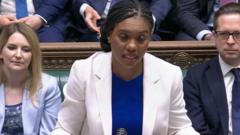
Conservative leader Kemi Badenoch went straight for the throat at Prime Minister’s Questions. She accused Starmer of leaving an unexploded economic bomb for his likely successor, Andy Burnham. If you are trying to understand why our politicians are screaming at each other over military budgets while global tensions rise, you need to look at the cold hard numbers behind this latest clash. If you liked this piece, you might want to read: this related article.
The Big Funding Gap Everyone Is Talking About
The real issue behind the political theater is simple. The government promised an extra £15 billion for defence spending over the next four years. That sounds great on a press release. But Chancellor Rachel Reeves admitted that the Treasury has only actually identified £10.3 billion of that money.
That leaves a glaring £4.7 billion shortfall. This gap must be filled in the upcoming Budget 2026, and nobody knows where the money will come from. Badenoch did not hold back at the dispatch box, calling the plan weak, little, and late. She asked why Starmer thinks half of what the military chief asked for is enough. The Chief of the Defence Staff wanted £28 billion in extra cash to truly rearm Britain. Starmer’s team delivered roughly half. For another angle on this development, see the recent update from USA Today.
Starmer did not take the criticism sitting down. He fired back at Badenoch, accusing her of faux outrage. He pointed out that during 14 years of Conservative rule, defence spending was cut from 2.5% to 2.3% of GDP, while the welfare bill blew out by £88 billion. Starmer claims his plan puts the UK on a solid trajectory to hit 3% of GDP in the next parliament, up from 2.7% by 2029. But hitting that target means cutting other areas, like transport infrastructure, which is already making plenty of backbench MPs furious.
Why This Defence Spending Fight Matters Right Now
This is not just about political point-scoring in London. The UK military is facing serious readiness issues. We have troops stationed on the frontline in Estonia as part of NATO's forward presence. If international conflicts boil over, British forces are directly in the line of fire. Senior defence figures have warned for months that delaying or underfunding military procurement puts personnel at risk.
The armed forces need real equipment. The new blueprint promises money for autonomous weapons, major upgrades to naval bases, and heavy investment in drone systems. This is supposed to prepare the military for modern electronic warfare, not the conflicts of the past. But modern tech costs money upfront.
- The Funding Shortfall A £4.7 billion gap remains completely unallocated.
- The NATO Target The alliance wants members to hit 3.5% of GDP by 2035, a goal this current plan struggles to reach.
- The Succession Drama Starmer is leaving office, meaning his successor inherits a pre-packaged budget headache.
The timing of this announcement complicates everything. Andy Burnham is currently pitching his vision for the country, promising massive council housing drives and shifting power away from Whitehall. Suddenly, he is staring down a massive budget deficit for the military before he even walks into Downing Street. An ally of Burnham reportedly called the funding gap an unexploded bomb. It forces the next leader to either find deep cuts in domestic departments or borrow more cash, which flies right in the face of Labour’s fiscal promises.
What Happens Next for the UK Military Budget
The political arguments will not stop anytime soon. To see where this lands, keep a close eye on the upcoming 2026 autumn budget statements. That is when the government will have to explain exactly which public services will be trimmed to cover the missing billions.
If you want to track how this developing situation affects national security, watch these three specific areas moving forward. First, see if the government scales back controversial cuts to regional transport projects to appease angry local leaders. Second, watch whether upcoming NATO monitoring reports criticize the UK for backloading its military investments. Finally, track whether recruitment numbers improve after recent military pay bumps, or if personnel shortages continue to plague the army. The political rhetoric is loud, but the real test lies in whether the ships, drones, and troops actually get the funding they were promised.