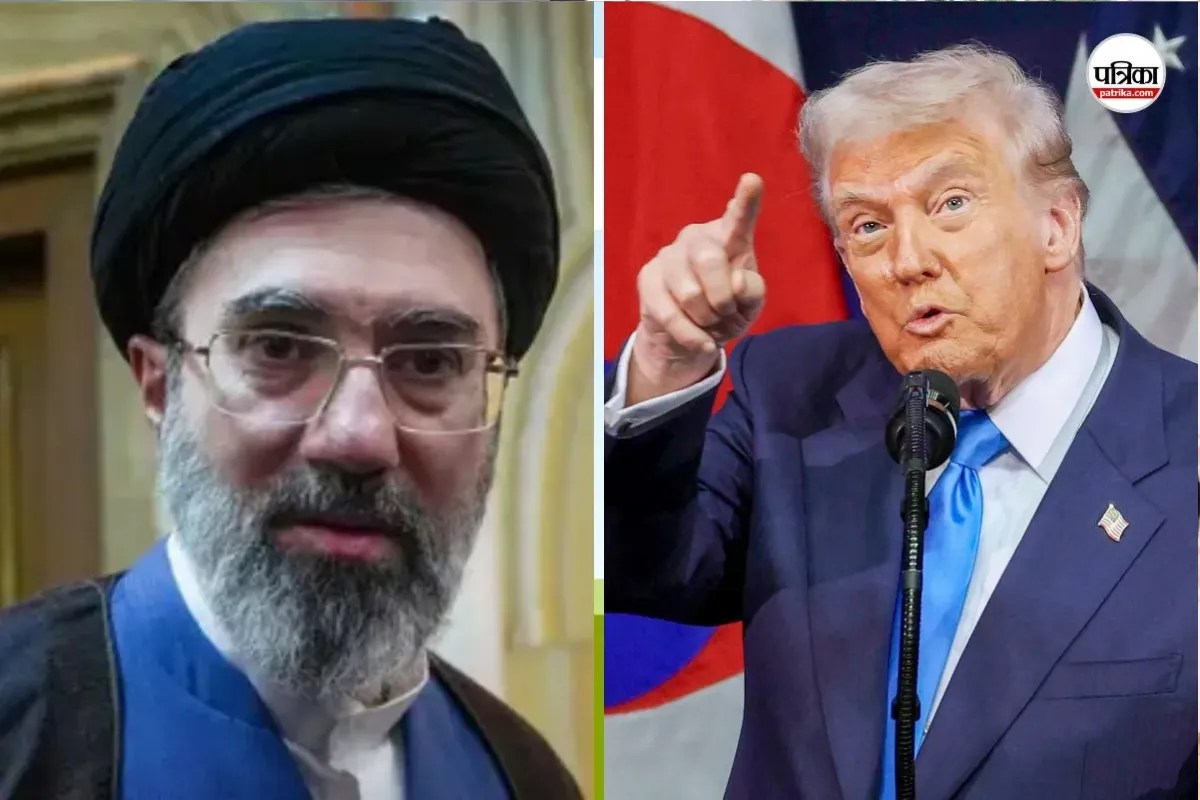
Donald Trump wants you to believe the crisis in the Persian Gulf is solved. He posted on social media that the ships of the world should start their engines because the oil is about to flow again. His son-in-law, Jared Kushner, along with special envoy Steve Witkoff, just landed in Doha to put the finishing touches on a deal.
But don't buy the hype just yet.
What is actually happening behind closed doors in Qatar is not a grand peace ceremony. It is a messy, fragile scramble to stop a full-blown economic catastrophe. The US and Iran are currently locked in indirect technical talks. They aren't even sitting in the same room. Qatari and Pakistani diplomats are running back and forth between hotels, trying to patch up a deal that could fall apart tomorrow.
If you want to understand why the global economy is teetering on the edge, you have to look past the political theater.
The Secret Deal in Doha
The current round of talks follows a chaotic sequence of events. Earlier this year, a brief but brutal conflict broke out. The US and Israel launched strikes against Iran, and Tehran retaliated by targeting shipping lanes and striking Gulf states like Kuwait and Bahrain.
The main point of contention right now is a Memorandum of Understanding signed earlier this month. It established a temporary sixty-day ceasefire. The deal requires Iran to dilute its highly enriched uranium stockpile and gradually reopen the Strait of Hormuz. In exchange, the US agreed to lift its naval blockade and release billions in frozen Iranian funds.
But the details remain incredibly murky.
The Iranian delegation in Doha is focused on two immediate demands. First, they want absolute control over the shipping routes in the strait. Second, they want their money. Iranian President Masoud Pezeshkian announced that Qatar is preparing to release $6 billion in frozen Iranian assets. US officials confirmed this amount, noting the cash is earmarked strictly for buying American food products for the Iranian population.
Iran claims it should get immediate access to another $24 billion blocked globally. Washington refuses. The US position is that the remaining funds stay frozen until Tehran proves it is complying with every single rule.
This creates a massive roadblock. Iran wants the cash upfront. The US wants compliance first. It is a classic standoff, and Kushner's team is trying to bridge the gap through corporate-style transactional diplomacy.
The Battle for the Strait of Hormuz
You can't talk about Jared Kushner's Iran deal without looking at a map. The Strait of Hormuz is a narrow choke point. One-fifth of the world's oil passes through it. When Iran threatened cargo ships and laid mines last month, global energy markets went into a state of panic.
Tehran treats the waterway as its personal property. Iranian top negotiator Mohammad Bagher Ghalibaf made it clear on state television that Iran holds absolute sovereignty over the administration of the passage. He stated there are no circumstances under which they will back down.
The US completely rejects this view. International law protects freedom of navigation through the strait. To bypass Iranian threats, a parallel diplomatic drama is unfolding next door in Oman.
Oman opened a temporary alternative shipping route through its own territorial waters. This initiative, coordinated with the United Nations, allows vessels to avoid the zones controlled by the Islamic Revolutionary Guard Corps. French President Emmanuel Macron and Omani Sultan Haitham bin Tariq even agreed to launch joint mine-clearing operations to make this alternative route safe.
This infuriates Tehran.
Iran claims that under its understandings with Trump, responsibility for managing traffic belongs exclusively to the Iranian regime. They see the Omani lane as an attempt by the West to strip away their biggest geopolitical bargaining chip. They are already threatening ships that deviate from the authorized Iranian path.
Kushnerism and the Art of the Bad Deal
Many foreign policy experts are highly critical of how the Trump administration is handling these negotiations. They call the current strategy a classic example of Kushnerism, an approach that prioritizes real estate-style transactions over deep historical and nuclear expertise.
Kushner has a long history of alignment with regional rivals of Iran. His investment fund, Affinity Partners, secured billions of dollars from Gulf monarchies. Critics point out that this creates a massive conflict of interest.
For years, Kushner pushed the narrative that Iran was always days away from a nuclear weapon, a claim often disputed by non-proliferation experts who favored structured inspections over sudden military threats. By backing Iran into a corner with sweeping sanctions and naval blockades, the administration accidentally forced Tehran to use its ultimate weapon: the power to shut down the global economy.
The current ceasefire looks less like a victory and more like a tactical retreat. The US temporarily lifted oil sanctions just to get the shipping lanes open. Iran still has its drones, its missiles, and its enriched uranium. They proved they have a kill switch for global commerce, and they aren't going to give it up easily.
The structural flaws of the current Memorandum of Understanding are obvious:
- There is no clear, verifiable process for eliminating Iran's highly enriched uranium.
- The role of international UN inspectors remains completely undecided.
- The control of the Strait of Hormuz is stuck in a dangerous legal limbo between Iran, Oman, and international maritime law.
Why November Changes Everything
Timing is everything in politics. Trump is facing crucial midterm elections in November. Sustained high fuel prices and a chaotic energy market could destroy his party's chances at the polls.
He needs the Strait of Hormuz open immediately. He needs inflation to drop.
The Iranian regime knows this. They understand that Trump is operating on a tight political deadline. This gives Tehran incredible leverage in Doha. They can stall, make demands, and threaten to disrupt shipping traffic knowing that even a minor incident in the Gulf will cause oil prices to spike, hurting Trump domestically.
This explains why the tone from Tehran remains highly confrontational. While US envoys speak softly about regional stability, Iranian state media is singing a different tune. Just this week, a major state-vetted newspaper in Tehran published a front-page image of Trump with a target over his forehead, declaring that revenge is certain.
They are playing a double game. They send technical experts to Doha to secure the release of billions in frozen assets while simultaneously maintaining a aggressive posture at home to satisfy their hardline base.
What Happens Next
The technical working groups in Doha will spend the next few days arguing over banking mechanisms and shipping coordinates. Do not expect a sudden breakthrough or a historic handshake.
If you are tracking this situation, watch these specific indicators over the coming weeks:
- The $3 Billion Transfer: Watch whether the first installment of frozen assets actually moves from Qatari banks to buy food supplies. If the transfer stalls, the ceasefire will likely collapse.
- Shipping Volume Numbers: Monitor daily maritime traffic reports through the strait. If the number of transiting cargo ships stays low, it means international insurance companies still consider the route too dangerous.
- Omani Mine-Clearing: Look for the start of French and Omani naval operations. If Iran attempts to block these mine-clearers, a renewed military clash is almost guaranteed.
The current peace plan is a temporary patch on a leaking pipe. It bought sixty days of breathing room, but the underlying fuse is still burning. Keep your eyes on the shipping data, not the political statements.