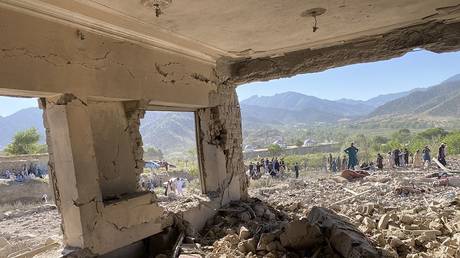
On June 24, 2026, two massive earthquakes struck Venezuela within seconds of each other. The twin shocks, registering at magnitudes of 7.2 and 7.5, completely shattered the coastal state of La Guaira near Caracas. Entire neighborhoods crumbled down. High-rise apartment complexes, busy shopping malls, and local schools flattened instantly. Now, the official death toll has climbed past 1,900 people, and local hospital facilities simply cannot handle the volume of the deceased.
To deal with this unprecedented influx, local authorities took a desperate step. They converted the major shipping docks at the Port of La Guaira into a massive, open-air temporary mortuary. Hundreds of coffins and black body bags currently line the concrete ground under a brutal, unrelenting summer sun. Forensic teams, grieving families, and international aid workers are trying to bring order to absolute chaos.
The Logistics of a Docks Disaster Zone
The transformation of a bustling commercial port into a processing center for the dead is a logistical nightmare. Forensic experts and medical professionals walk through rows of bodies laid out on the docks. They wear blue surgical gowns and caps, trying to do their jobs while dealing with intense heat and rapid decomposition.
The heat makes everything harder. To slow down decomposition and manage the overwhelming odor, workers are using heavy bags of lime to coat the body bags. The air at the port is a heavy mix of chemical lime, sea salt, and decay. Near a large white command tent, a hundred empty urns sit stacked up, waiting for the ashes of victims scheduled for immediate cremation.
This is not a sterile environment. It is a working port that has been forced to adapt to a mass casualty event. A specialized vehicle labeled the Special Hospital Waste Unit drives through the area periodically to collect medical waste from the autopsies being performed under basic canvas tarpaulins. The tarpaulins, propped up by simple wooden poles, serve as the only shield from the sun for the doctors trying to sign death certificates and cremation permits.
How Families Are Forced to Search for the Missing
The human cost of this disaster is visible in the long lines of people waiting outside the port gates. The United Nations estimates that around 50,000 people remain missing across the region. For the families left behind, finding information requires walking through a maze of bureaucratic paperwork and horrific visual checks.
Family members gather in rows of plastic chairs set up near the National Service of Forensic Medicine and Sciences. Local volunteers provide tea, coffee, and basic psychological support, but the tension is constant. People sit and flip through thick photo albums filled with pictures of unidentified bodies.
Identification has become incredibly difficult because of the nature of the building collapses. Many victims were trapped beneath heavy concrete rubble for days. Relatives are forced to look for tiny, specific details to recognize their family members.
Forensic teams frequently have to ask families for highly specific physical descriptions. They ask about old scars, medical implants, or distinct tattoos. In one case, a family had to confirm the exact location of a tattoo on the waist of a pregnant relative who died when the Oasis Beach apartment building collapsed in Catia La Mar. In other instances, a simple piece of jewelry is the only clue left. One father, Antony Marcano, searched for days before finally recognizing his daughter by a specific ring he had gifted her.
The Strain on International Aid and Local Infrastructure
Venezuela was already dealing with severe economic and infrastructure challenges before the quakes hit. The sudden destruction of thousands of homes has pushed local emergency services past their breaking point. In the immediate aftermath of the shocks, many residents had to use their bare hands and basic shovels to dig through collapsed concrete because heavy machinery was unavailable.
The international community is trying to fill the gaps. Gianluca Rampolla, the United Nations resident coordinator in Venezuela, coordinated an emergency shipment of 10,000 body bags to assist the local response. Private funeral homes and regional insurance companies have also stepped in, creating emergency funds to cover cremation and burial costs for families who lost everything.
The legal system has modified its rules to speed up the processing of the dead. Normal bureaucratic delays for issuing death certificates have been removed to let families bury their relatives quickly and prevent major public health issues.
Structural Deficiencies Exposed by the Twin Shocks
The sheer scale of the destruction highlights a major problem with regional infrastructure. The back-to-back nature of the 7.2 and 7.5 magnitude earthquakes created a whip effect on modern buildings. The first quake weakened the structural foundations, and the second shock, arriving seconds later, completely brought them down.
Many of the structures that suffered total collapse were newer high-rise apartments built along the coast. Coastal soil is prone to liquefaction during severe seismic activity, meaning the ground behaves like a liquid when shaken violently. When poor enforcement of building codes mixes with difficult geological conditions, the results are catastrophic. Older, informal settlements built on the hillsides also suffered heavy damage, but the collapse of large concrete apartment buildings caused the highest concentration of immediate fatalities.
Immediate Steps for Supporting Relief Efforts
If you want to support the ongoing humanitarian response in La Guaira, look for verified international organizations operating directly on the ground. Avoid unverified donation links or random social media campaigns.
- Support Verified Medical Agencies: Organizations like the International Committee of the Red Cross (ICRC) and Doctors Without Borders are providing direct medical care, forensic support, and clean water systems to the affected coastal zones.
- Targeted Material Donations: The primary needs right now are professional forensic supplies, water purification tablets, and heavy-duty emergency shelter materials.
- Follow Official Missing Persons Registries: If you are trying to locate family members, use the official portals established by the National Service of Forensic Medicine and Sciences rather than relying on unverified social media lists, which often contain outdated or incorrect information.
The situation at the Port of La Guaira shows what happens when a natural disaster collides with fragile infrastructure. The open-air morgue will likely remain active for weeks as search teams continue to clear the rubble from the surrounding towns. Emergency management teams must now focus on preventing disease outbreaks at the port while continuing the difficult process of identifying the remaining victims.